






Membrane vs Thermal Desalination: How to Choose
A desalination project usually starts with a capacity number, but the decision that shapes the next twenty years is the separation route: membrane or thermal. Both deliver potable water; the difference shows up in the power bill, the pretreatment train and the maintenance calendar.
The short version: for brackish water and normal seawater up to roughly 10,000 m³/day, reverse osmosis wins on total cost. Thermal distillation keeps a real niche where brine is very concentrated, where feed is hot, or where waste heat is already available for free.
🔍 How the Two Routes Actually Work
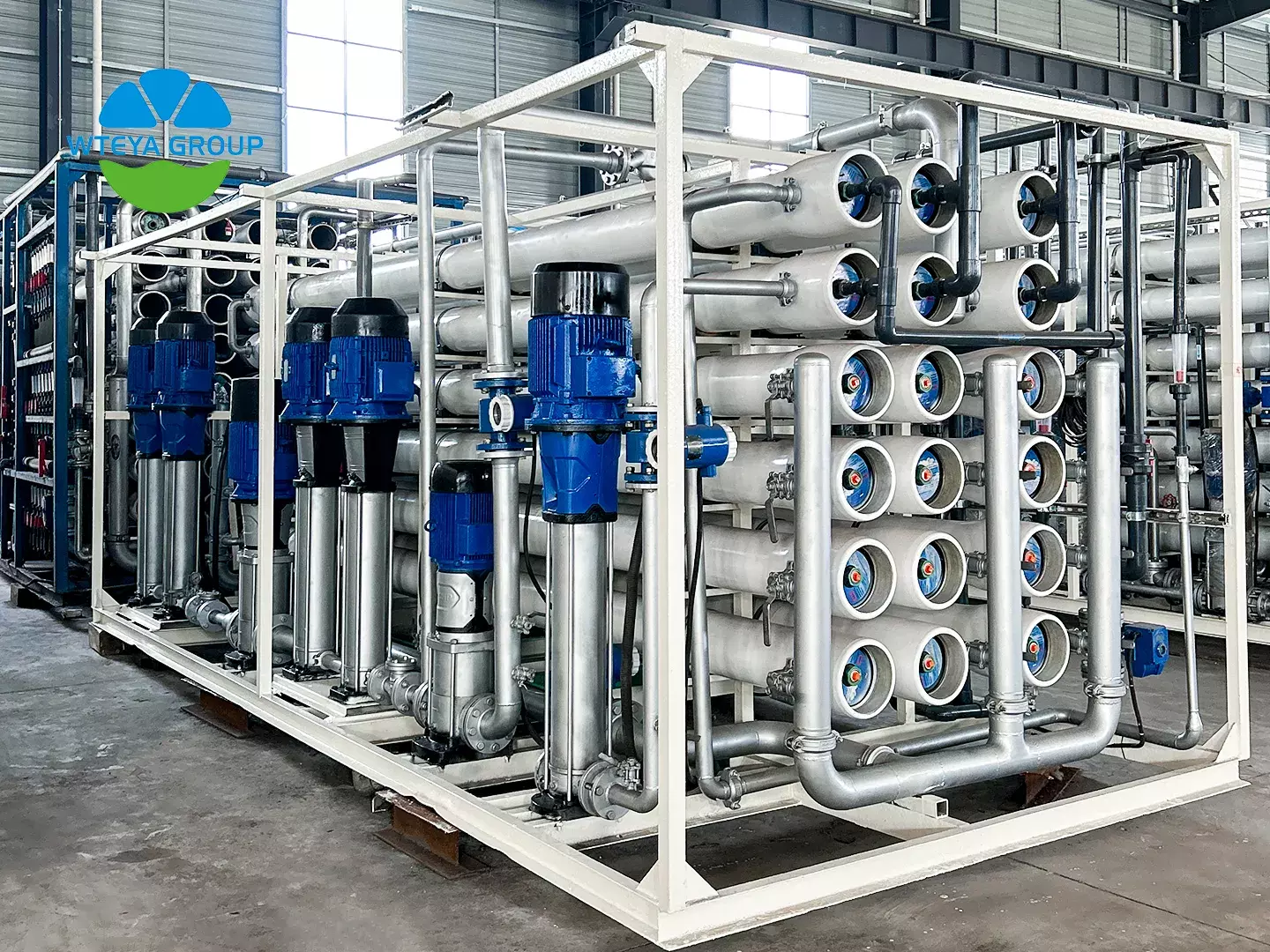
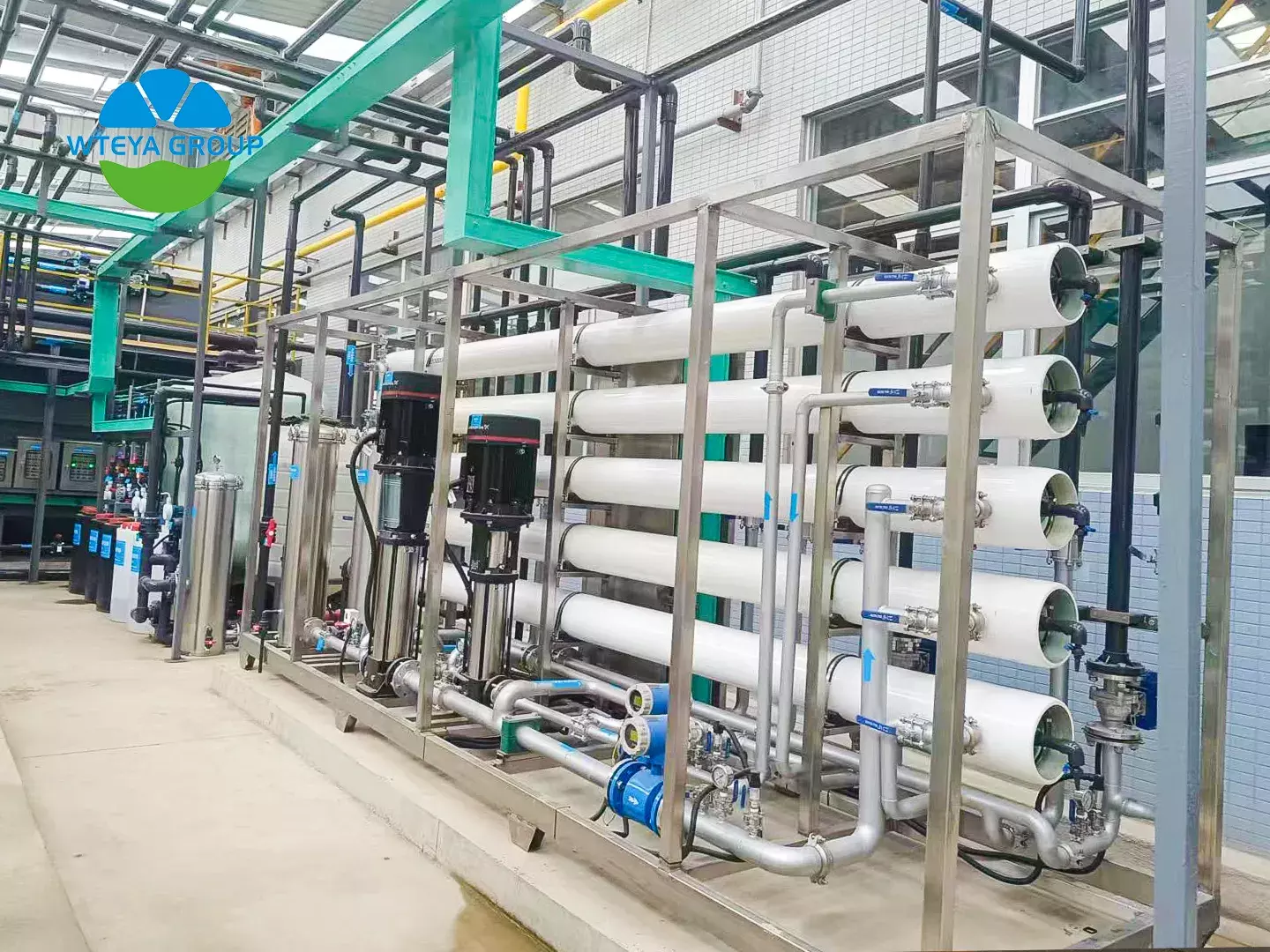
Reverse osmosis applies pressure — about 55–70 bar for seawater — to push water through a semi-permeable membrane that rejects 99.5% or more of dissolved salts. The membrane itself is simple; the engineering sits in pretreatment, energy recovery and antiscalant dosing.
Thermal distillation boils seawater and condenses the vapour. Multi-effect distillation (MED) reuses vapour across successive effects, while multi-stage flash (MSF) flashes brine stage by stage. Feed is heated to 70–120 °C, so scaling, corrosion and materials dominate the design.
The energy signature is where the two diverge: RO needs 3–5 kWh of electricity per m³, while thermal plants consume 60–120 kWh of thermal energy per m³ plus 2–4 kWh of electricity for pumps.
⚡ Energy: The Number That Decides the Project
For RO, power demand scales with salinity and recovery. A well-designed seawater unit with an energy recovery device lands near 3.5 kWh/m³; brackish water can go below 1.5 kWh/m³. That is the whole operating cost story for most sites.
Thermal energy is only cheap when it is already there. Waste heat from a power station, refinery or smelter can drop the fuel line to almost zero, and that is exactly where MED still wins. If heat has to be generated on purpose, thermal loses by a wide margin.
Always compare the full system — intake, pretreatment, the desalting unit, post-treatment and brine handling — rather than the headline kWh of the core unit.
🌊 Feed Water Quality and Pretreatment Burden
RO is sensitive to what it cannot see. Design typically calls for SDI below 3, turbidity under 1 NTU, complete chlorine removal and a scale inhibitor; organics and silica may push the train to ultrafiltration. Get pretreatment right and membranes last 5–7 years.
Thermal plants tolerate turbidity but not scale. Calcium carbonate, calcium sulphate and magnesium hydroxide deposit on hot surfaces, so antiscalant, controlled top temperature and periodic cleaning are mandatory. Higher salinity also lowers the performance ratio, so the two routes both punish difficult water — just in different places.
🏗 Capacity, Footprint and Delivery Time
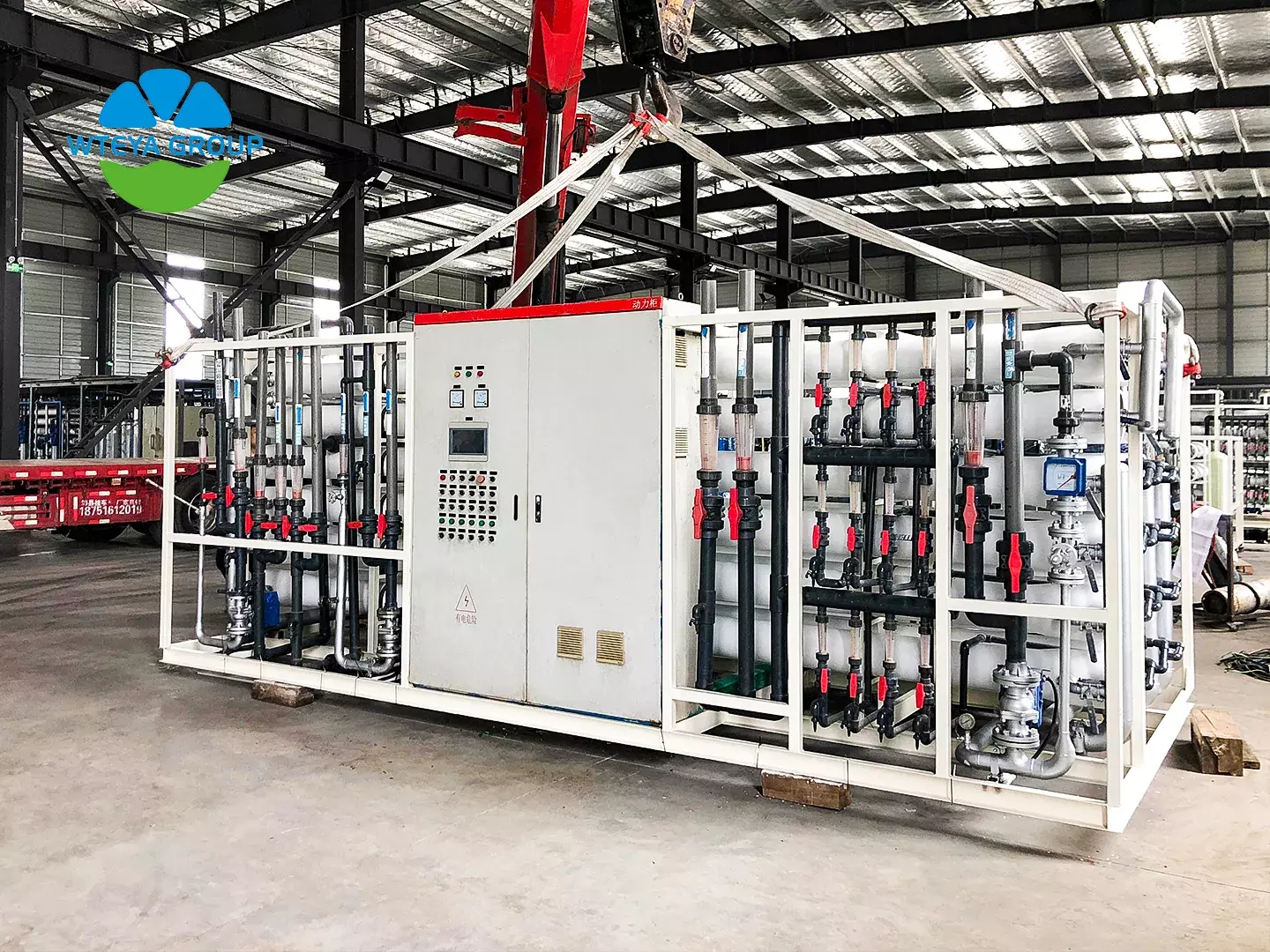
RO is modular. Skid-mounted and containerized units from 500 to 5,000 m³/day ship in weeks, need only a flat pad and a power connection, and can be expanded by adding racks. That is why islands, construction sites and emergency responses default to membrane.
Thermal is civil-heavy: tall vessels, large foundations, long erection sequences. A large MED or MSF train is an 18–30 month construction project, and the plot plan is fixed once poured.
WTEYA builds containerized and mobile RO plants as standard products (desalination plant, mobile water treatment plant), with solar-powered variants where grid power is absent.
💰 CAPEX, OPEX and the Cost of Water
As a planning range, seawater RO sits around USD 500–1,200 per m³/day of installed capacity; thermal plants run USD 1,500–3,000+ for the same nominal output, before the extra civil works.
Operating cost then follows the local power price. At USD 0.10/kWh, seawater RO typically lands at USD 0.5–0.8 per m³. A thermal plant's water cost is almost entirely a function of what its heat costs.
So the practical question is not "which technology is better" but "what does a kilowatt-hour cost at this site, and is there waste heat nobody is using".
✅ A Practical Decision Checklist
Choose membrane when the site has grid power, capacity is under about 10,000 m³/day, feed is seawater or brackish, and the project must be delivered in months rather than years.
Choose thermal when free waste heat exists, feed is unusually hot or saline, or the client already operates a thermal fleet with spare maintenance capability.
Many zero-discharge projects now combine both: RO makes the bulk of the permeate, and an MVR evaporator concentrates the reject brine to recover more water and leave a manageable salt volume. Share your feed analysis — TDS, ion profile, silica, COD and temperature — before requesting a quote; that single document decides the route faster than any brochure.
❓ Frequently Asked Questions
Is thermal desalination ever cheaper than RO?
Only when waste heat is genuinely free and already piped to the site. If the heat must be generated, thermal energy demand of 60–120 kWh/m³ makes it several times more expensive to run than RO at 3–5 kWh/m³.
What seawater salinity can RO handle?
Standard seawater membranes are designed for 35,000–45,000 mg/L TDS. Above roughly 50,000 mg/L the required pressure climbs and recovery falls, which is where a thermal or MVR concentrator stage becomes the better economic choice.
How long does a containerized RO plant take to deliver?
For standard capacities between 500 and 5,000 m³/day, WTEYA quotes roughly 8–12 weeks from confirmed drawing to shipment, plus site installation and commissioning of one to three weeks.
Become a WTEYA authorized dealer. Exclusive territories, competitive pricing, and full factory support.
Schedule a video call with our engineers to explore your options.
📲 WhatsApp: +86-1800 2840 855
📧 Email: info@wteya.com
🌐 Website: www.wteya.com