






Why Do Manufacturing Companies Need to Establish Wastewater Recycling and Reuse Systems?
For manufacturing companies, water is not only an essential resource for production but also an ongoing operational expense. Processes such as cleaning, cooling, surface treatment, and material processing consume significant amounts of industrial water while generating wastewater with different concentrations and compositions.
In the past, many manufacturers focused primarily on treating wastewater to meet discharge standards. However, as water costs rise, environmental regulations become more demanding, and businesses place greater emphasis on sustainable manufacturing, simply treating wastewater before discharge is no longer enough.
Manufacturers are increasingly looking for ways to reuse treated water in their production processes, reduce freshwater consumption, and minimize wastewater discharge.
This is where a wastewater recycling and reuse system becomes valuable. Rather than adding another wastewater treatment step, it connects wastewater treatment, water recovery, and final waste reduction into an integrated approach to industrial water management.
1. Reduce Freshwater Consumption and Lower Long-Term Water Costs
Manufacturing facilities often require substantial amounts of water, but not every production process needs drinking water or high-purity water. If all production water comes from fresh water sources and is discharged after a single use, a considerable amount of water is wasted.
After appropriate treatment, part of the wastewater can be recovered and reused in production applications such as cooling, equipment cleaning, and process water replenishment, depending on the required water quality.
This reduces dependence on external freshwater supplies and helps control ongoing water procurement costs.
Importantly, not all wastewater needs to be treated to the same quality standard. Treatment requirements should be determined by the intended reuse application. By matching treatment depth to actual water quality requirements, manufacturers can avoid unnecessary treatment processes and excessive operating costs.
How Wastewater Reuse Changes Water Management
| Key Area | Conventional Discharge Model | Recycling and Reuse Model |
|---|---|---|
| Freshwater consumption | Relatively high freshwater demand | Reduced freshwater demand through reuse |
| Wastewater discharge | Most used water enters the wastewater treatment system | Part of the treated water returns to production |
| Water costs | Continuous freshwater purchasing expenses | Potential cost savings as reuse increases |
| Water resource dependence | Greater reliance on external water supplies | Higher internal water circulation |
The primary value of a wastewater recycling system is not necessarily to convert all wastewater into pure water. It is to give water that would otherwise be discharged an opportunity for a second or even multiple uses.
2. Why Meeting Discharge Standards Alone Is No Longer Enough
Industrial wastewater varies significantly depending on the manufacturing sector and production process. It may contain COD, BOD, suspended solids, oils, salts, heavy metals, and other process-specific contaminants.
Changes in raw materials, production methods, and operating capacity can also cause fluctuations in wastewater quality.
If a treatment system operates under fixed conditions without accounting for these variations, sudden increases in pollutant concentrations may reduce treatment efficiency, destabilize effluent quality, or cause the treated water to fail to meet the required standards.
A properly designed wastewater recycling system should therefore be based on actual wastewater characteristics. Depending on the project, it may combine pretreatment, membrane filtration, advanced treatment, and evaporation or concentration technologies.
For facilities seeking to further reduce wastewater discharge, membrane concentration, evaporation, and crystallization can also be integrated to reduce the volume of concentrated wastewater requiring further management. Wastewater recycling and reuse is therefore more than a water-saving measure. It is also a systematic approach to reducing discharge pressure and improving environmental management.
3. Why Can Wastewater Recycling Be More Economical Despite Treatment Costs?
When considering a wastewater recycling project, many manufacturers focus first on equipment investment. However, initial capital expenditure alone cannot accurately reflect the overall economic value of a system.
Without water recovery, manufacturers may need to continuously pay for freshwater procurement, wastewater treatment, discharge, and treatment chemicals. These expenses can increase as production capacity expands.
A recycling system requires investment in equipment, energy, and ongoing operation. However, treated water can be reused in suitable production processes, reducing freshwater purchases and potentially lowering the volume of wastewater sent for final treatment or discharge.
Key Operating Costs Manufacturers Should Evaluate
• Freshwater procurement: Reduced demand for newly supplied water.
• Wastewater discharge: Lower wastewater volumes requiring final treatment or discharge.
• Treatment loads: Potentially reduced pressure on downstream wastewater treatment facilities.
• Water reuse efficiency: Improved internal water circulation.
• Long-term operating expenses: Better control over water supply and wastewater management costs.
For manufacturers with high water consumption, the more important question is not simply how much a wastewater recycling system costs.
Instead, they should evaluate how much freshwater the system can save, how much wastewater discharge it can reduce, and how long it may take for these savings to offset the initial investment and operating expenses.
4. How Does Water Quality Fluctuation Affect Production Stability?
In industrial manufacturing, water is more than a supporting resource. In some production processes, the quality of circulating water directly affects heat transfer, product cleaning, surface treatment, and other operating parameters.
If salts, suspended solids, organic matter, or other contaminants continuously accumulate in circulating water, they may cause scaling, corrosion, or equipment fouling. These problems can increase maintenance requirements and, in more serious cases, affect production continuity.
Therefore, a wastewater recycling system should not focus exclusively on how much water it can recover. It must also ensure that the recovered water consistently meets the quality requirements of the next production process.
By monitoring key parameters such as water quality, flow rate, pressure, and electrical conductivity, an automated control system can help operators identify changes and adjust treatment conditions accordingly. For manufacturing facilities operating continuously, stable reclaimed water quality can help reduce equipment maintenance demands and the risk of unplanned downtime.
5. Why Can't All Wastewater Be Treated Using the Same Process?
Industrial wastewater differs considerably in its pollutant composition. As a result, a recycling system generally requires a combination of treatment technologies tailored to the actual wastewater characteristics rather than relying on a single piece of equipment.
For wastewater with high suspended solids content, processes such as screening, filtration, and sedimentation can be used for initial solid-liquid separation.
For wastewater containing oil or emulsified substances, additional oil removal and demulsification processes may be required.
For wastewater with high organic pollutant concentrations, biological treatment or advanced treatment technologies can be selected according to its biodegradability and other water quality characteristics.
If a higher-quality reuse water supply is required, membrane technologies such as ultrafiltration (UF), nanofiltration (NF), and reverse osmosis (RO) can be incorporated.
For the concentrated wastewater generated by membrane systems, evaporation and crystallization may be considered based on its salinity and contaminant composition.
A typical wastewater recycling and reuse process may therefore follow this sequence:
Wastewater Generation → Segregated Collection → Pretreatment → Advanced Treatment → Membrane Separation → Reclaimed Water Reuse → Further Concentrate Treatment
This multi-stage approach allows different pollutants to be removed at the most appropriate treatment stage while helping manufacturers manage overall system performance and operating costs.
6. How Does WTEYA Help Manufacturers Build Industrial Water Recycling Systems?
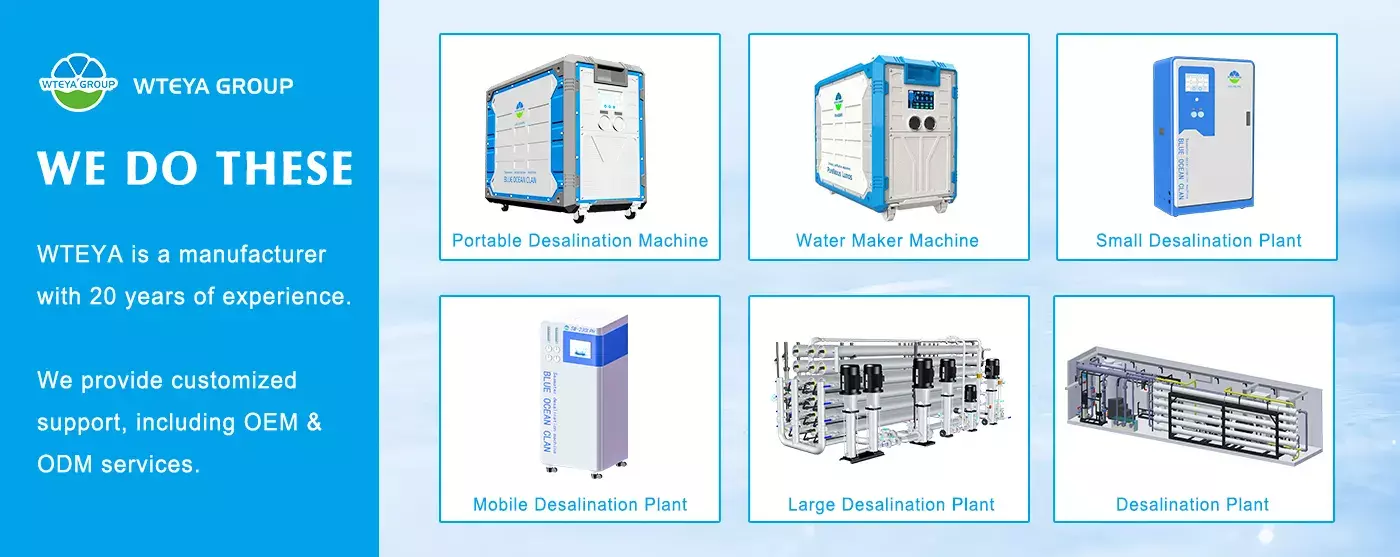
WTEYA provides wastewater treatment and water reuse solutions tailored to different manufacturing processes and wastewater characteristics.
System design can take into account influent flow rate, pollutant composition, water reuse requirements, and applicable discharge standards.
Depending on project requirements, WTEYA can integrate filtration, coagulation and sedimentation, biological treatment, ultrafiltration, nanofiltration, reverse osmosis, and evaporation technologies into a coordinated treatment system.
Each treatment unit serves a specific purpose. This approach helps ensure effective pollutant removal while avoiding the unnecessary use of high-cost advanced treatment processes for all wastewater streams.
Key Design Considerations for WTEYA Wastewater Recycling Systems
| Design Focus | Main Function |
|---|---|
| Multi-stage treatment | Selects suitable treatment processes for different pollutants |
| Membrane separation technology | Further removes dissolved contaminants and improves reclaimed water quality |
| Automated control | Monitors key operating parameters and reduces manual intervention |
| Modular system design | Allows configuration according to treatment capacity and production requirements |
| Concentrate treatment | Further reduces membrane concentrate volume and discharge pressure |
| Water resource reuse | Returns treated water to suitable production applications |
For projects requiring a higher degree of wastewater reduction, WTEYA can also combine membrane treatment with technologies such as Mechanical Vapor Recompression (MVR) evaporation.
This approach can further concentrate high-salinity wastewater and support additional treatment of the resulting concentrate, helping manufacturers develop an integrated solution covering wastewater treatment, water recovery, and final waste reduction.
7. Effective Wastewater Recycling Means Returning Water to Production
Wastewater treatment and wastewater recycling are related but different concepts.
Traditional wastewater treatment primarily focuses on ensuring that effluent meets the applicable discharge standards. A wastewater recycling system goes further by considering how treated water can be returned to manufacturing processes while reducing freshwater consumption and final wastewater discharge.
For manufacturers, this means wastewater is no longer viewed solely as an end-of-pipe treatment burden. With appropriate process design, part of it can be recovered and converted into a reusable water resource.
An integrated industrial water circulation system can follow this general cycle:
Production Water → Wastewater Generation → Segregated Treatment → Advanced Purification → Reclaimed Water → Return to Production
By continuously improving internal water reuse, manufacturers can reduce freshwater consumption, lower wastewater discharge volumes, and better manage long-term operational pressures related to water resources and environmental regulations.
Conclusion: Make Wastewater a Reusable Resource for Manufacturing
Establishing a wastewater recycling and reuse system is not simply about reducing wastewater discharge. It involves rethinking how water is managed throughout the manufacturing process.
Reducing freshwater consumption, minimizing wastewater discharge, maintaining stable reclaimed water quality, controlling long-term operating costs, and improving resource efficiency are all objectives that can be addressed through a well-designed industrial water circulation system.
WTEYA combines pretreatment, advanced treatment, membrane separation, and evaporation technologies according to the wastewater characteristics and water reuse requirements of different manufacturing industries.
As environmental requirements continue to evolve and industrial water costs remain an important consideration, returning treated wastewater to production is becoming an increasingly practical approach for manufacturers pursuing water conservation, cost control, and more sustainable operations.
Why Partner with WTEYA?
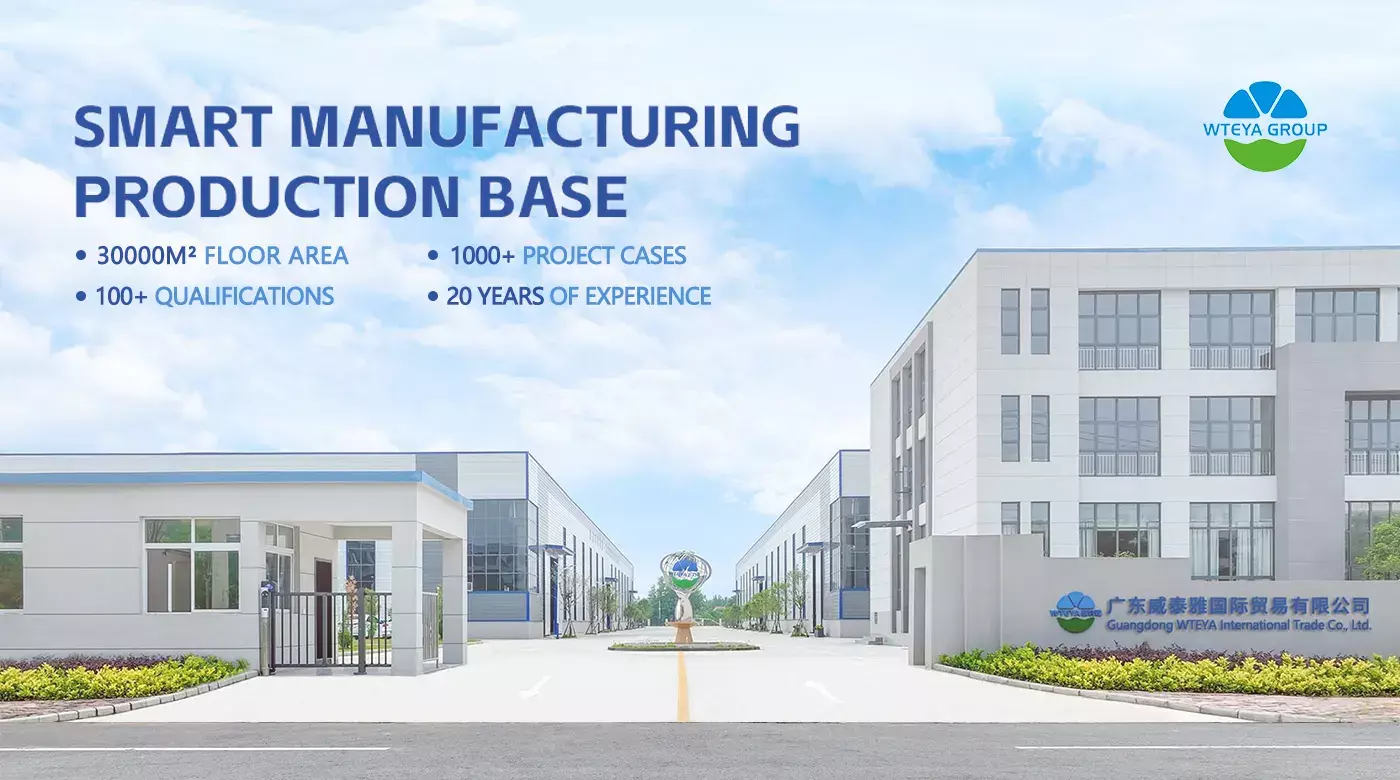
• Nearly 20 years of industry experience
• Trusted by global leaders including Foxconn, Huawei, Ganfeng Lithium, Ronbay Technology
• 100+ success cases worldwide
• OEM & ODM customization available
Become a WTEYA Distributor!
We are expanding global partnerships:
• Preferential policies
• Professional training
• Full technical support
Let us help you achieve exceptional water quality and operational sustainability!
📲 WhatsApp: +86-1800 2840 855
📧 Email: info@wteya.com
🌐 Website: www.wteya.com