







How Does a Boat Water Maker Work?
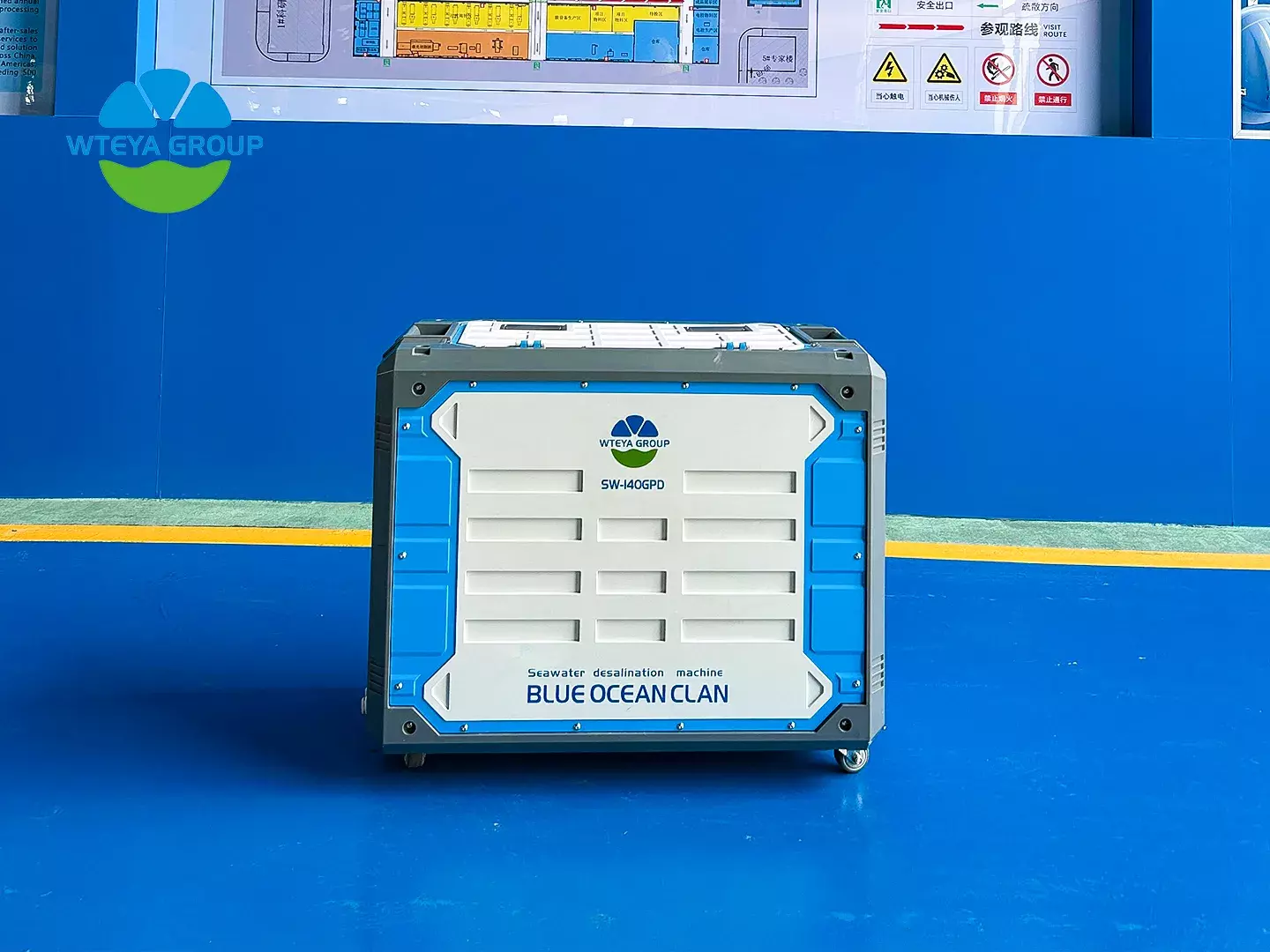
A boat water maker is a compact seawater desalination plant built around one idea: push seawater through a reverse osmosis membrane at high pressure and let fresh water pass while salt is rejected. On a yacht or fishing vessel it replaces jerry cans and shore-side top-ups with a steady supply of drinking water made on board. The reference package used here is the SW-4021-300GPD, which delivers 300 GPD (1,200 LPD, 50 LPH) from a single-phase supply.
⚙️ The Five Stages of a Boat Water Maker
1. Intake. A feed pump rated 2,000 LPH at 20 m head (0.15 kW) draws seawater through a sea strainer and a through-hull fitting, filling the low-pressure side of the system.
2. Pretreatment. Two cartridge filters, 10 micron followed by 5 micron, remove sand, suspended solids and algae. This stage protects the membrane and is the cheapest maintenance item on the boat.
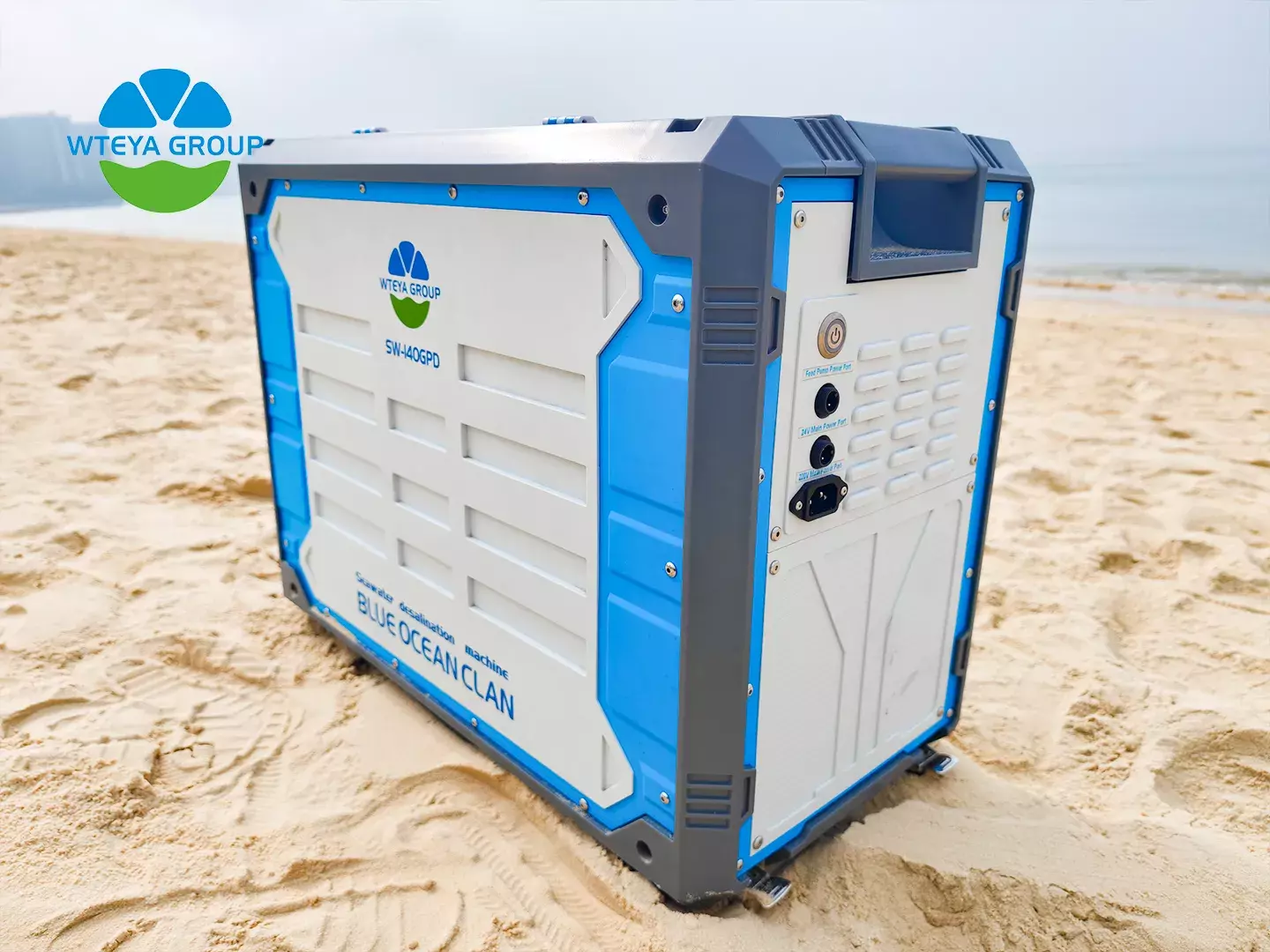
3. Pressurization. A high-pressure plunger pump, 360 LPH at 100 bar and 1.1 kW, raises the seawater above its osmotic pressure. Without this stage nothing separates.
4. Desalination. The 4021 membrane element, with 3.1 m² of active area, passes fresh water and rejects salt at better than 99%. Recovery is held at about 10%, so roughly nine litres of concentrate return to the sea for every litre of product.
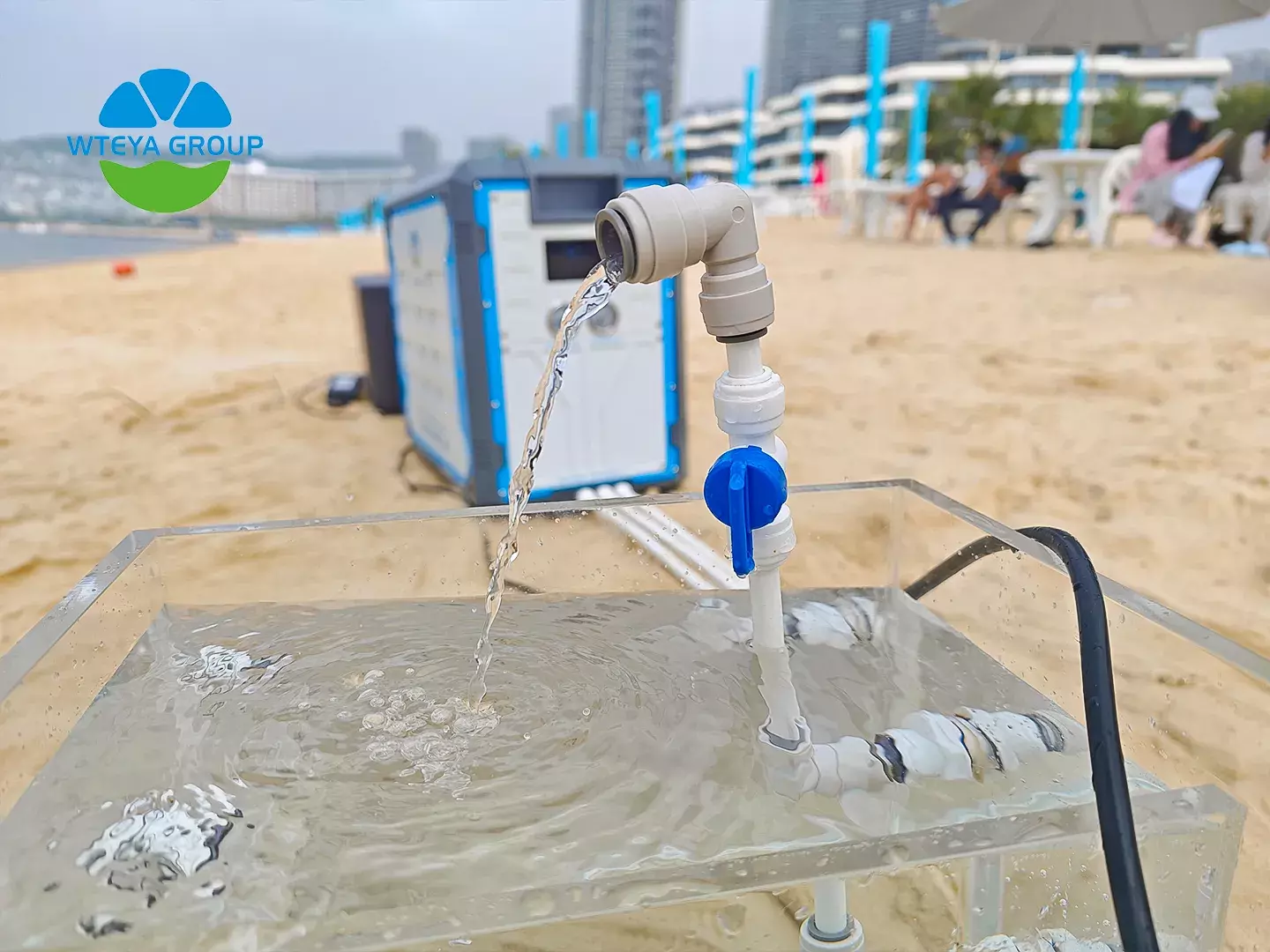
5. Sterilization. Product water passes a 254 nm UV lamp before the tap. Final quality is TDS at or below 1,000 mg/L, with total coliform absent, which meets drinking water expectations on board.
📊 Key Numbers at a Glance
Output is 300 GPD, or 1,200 litres per day, or 50 litres per hour. Feed water must sit within TDS 35,000 ppm, 5–45 °C, pH 4–9 and turbidity below 1 NTU. Power is 200–240 V single phase or 24 V DC, with 1.35 kW installed; three-phase supply must not be connected. The complete unit measures 610×320×497 mm and weighs 40 kg.
🌊 Why Recovery Is Only About 10%
Seawater carries roughly 35,000 ppm of dissolved salt, and the osmotic pressure that must be overcome is high. Pushing recovery higher would raise the concentration factor on the membrane surface, accelerate scaling and shorten element life. A portable desalination machine therefore accepts a modest recovery in exchange for stable output and simple maintenance, while larger reverse osmosis systems add energy recovery devices to improve efficiency at scale.
🔧 Installation and Operating Notes
Mount the unit where vibration is low and the prefilter housings stay accessible, because cartridges are changed most often. Use a sea strainer ahead of the feed pump, keep all suction joints airtight — a pinhole air leak will cavitate the plunger pump — and route concentrate well clear of the hull intake. After every trip, flush the membrane with fresh water; if the boat will sit for weeks, a 1% sodium bisulphite flush prevents biological growth. Never run the high-pressure pump dry, and never exceed the rated inlet pressure when the sea valve is closed.
For tenders and smaller craft, a mobile water treatment plant offers the same process chain in a portable frame, while the unit described above remains the standard choice for yachts and fishing boats that need water every day.
❓ Related FAQs
• What Is the Service Life of a Portable Desalination Unit?
• How Much Does a Portable Seawater Desalination Machine Cost?
• How Much Power Does a Small Seawater Desalination Unit Need?
Schedule a video call with our engineers to explore your options.
📲 WhatsApp: +86-1800 2840 855
📧 Email: info@wteya.com
🌐 Website: www.wteya.com

Previous: Seawater Desalination Plant Cost: What Drives the Price
Next: No More