






Why Coastal Facilities Must Be Equipped with Emergency Seawater Desalination Systems?
Coastal facilities—including ports, offshore platforms, industrial plants, and municipal water stations—face unique challenges in maintaining stable and safe water supply. Extreme weather events such as typhoons, storm surges, and tsunamis can instantly disrupt municipal or industrial water sources, leaving critical operations vulnerable and personnel at risk. For example, in a recent storm in Southeast Asia, several coastal industrial zones reported water shortages lasting up to 48 hours, causing production interruptions and emergency management difficulties. Emergency seawater desalination systems ensure facilities always have access to potable and process water, reducing operational risks and safeguarding personnel health.
1️⃣ Ensure Reliable Water Supply During Emergencies 💧
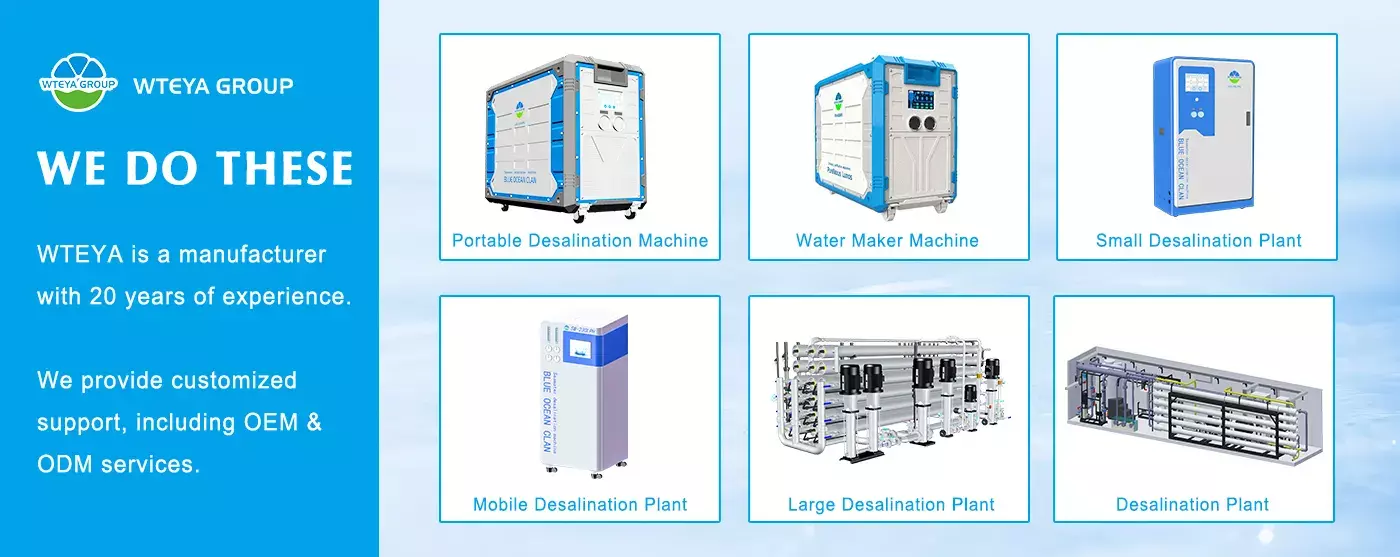
Water supply disruptions in coastal facilities can trigger cascading effects on operational efficiency and safety. Facilities relying solely on municipal supply or temporary tanker deliveries are vulnerable to delays, contamination risks, and supply limitations. WTEYA’s emergency seawater desalination systems use multi-stage reverse osmosis (RO) technology combined with pre-filtration and ultrafiltration to produce high-quality freshwater directly from seawater. These systems are designed for rapid deployment—modular units can be operational within hours—making them ideal for crisis response. They can serve small municipal needs or large industrial operations and integrate seamlessly with existing infrastructure for automatic switching during emergencies, avoiding operational interruptions.
2️⃣ Protect Health and Safety Standards 🛡️
Personnel safety and hygiene are critical during emergencies. Exposure to untreated or contaminated water can lead to health risks, deteriorating sanitary conditions, and operational safety incidents. Untreated seawater contains high salinity, suspended solids, heavy metals, and potential microbial contaminants, posing serious threats to both drinking water and industrial processes. WTEYA’s systems employ ultrafiltration, activated carbon filtration, and UV sterilization to continuously produce water that meets WHO and EPA drinking water standards. Automated monitoring tracks total dissolved solids (TDS), turbidity, and microbial counts to ensure safe water supply even under emergency conditions. Maintaining hygiene standards protects staff, prevents compliance violations, and reduces liability during disaster events.
3️⃣ Support Industrial and Operational Continuity ⚙️
Coastal industrial operations—such as cooling systems, chemical processing, cleaning, and firefighting—depend on uninterrupted water supply. Any disruption may halt production, damage equipment, and increase operational costs. WTEYA’s emergency seawater desalination systems provide stable water flow and high-quality output to ensure critical processes continue without interruption. Designed for seamless integration with existing facility water networks, they automatically switch over during municipal supply failures. With high recovery rates, energy-efficient pumps, and durable RO membranes equipped with antiscalant dosing, these systems minimize maintenance, reduce operational costs, and extend service life. Such reliability is crucial for high-risk industries where downtime can lead to significant financial losses.
4️⃣ Enhance Disaster Preparedness and Facility Resilience 🌪️
Coastal facilities face increasing risks from climate change, rising sea levels, and extreme weather events. Without emergency water systems, operations are highly vulnerable, potentially leading to production stoppages, failed safety procedures, and environmental hazards. WTEYA offers modular, mobile, and containerized emergency seawater desalination units that can be rapidly deployed in disaster areas. Equipped with remote monitoring, automated controls, and redundancy features, these units ensure 24/7 uninterrupted operation with minimal human intervention. By deploying these systems, facilities can improve disaster response capability, comply with local and international safety and environmental regulations, and enhance operational resilience—a strategic advantage in competitive industrial and municipal sectors.
5️⃣ Promote Sustainable and Cost-Effective Water Management 🌱
Traditional emergency water supply methods—such as tanker deliveries or bottled water—are logistically complex, costly, and environmentally burdensome. On-site seawater desalination technology draws from a renewable, sustainable water source, significantly reducing environmental impact and operating costs. WTEYA systems are energy-efficient, low-maintenance, and long-lasting, enabling facilities to maintain continuous supply without excessive energy consumption. They also support long-term water resource management strategies, allowing facilities to plan for seasonal shortages, emergency preparedness, and sustainable development reporting. Integrating these systems ensures coastal facilities are ready for emergencies while reinforcing commitments to corporate social responsibility (CSR) and environmental sustainability.
✅ Conclusion: Take Action Before the Next Crisis
For coastal facilities facing natural disasters or water supply disruption risks, equipping WTEYA emergency seawater desalination systems ensures continuous, reliable potable and process water supply. These systems protect employee health, ensure facility safety, support industrial and operational continuity, and enhance disaster preparedness and resilience. Energy-efficient, rapidly deployable, and compliant with international drinking water standards, they are the ideal solution for coastal industrial, port, and municipal facilities seeking sustainable water management and emergency preparedness.
Why Partner with WTEYA?
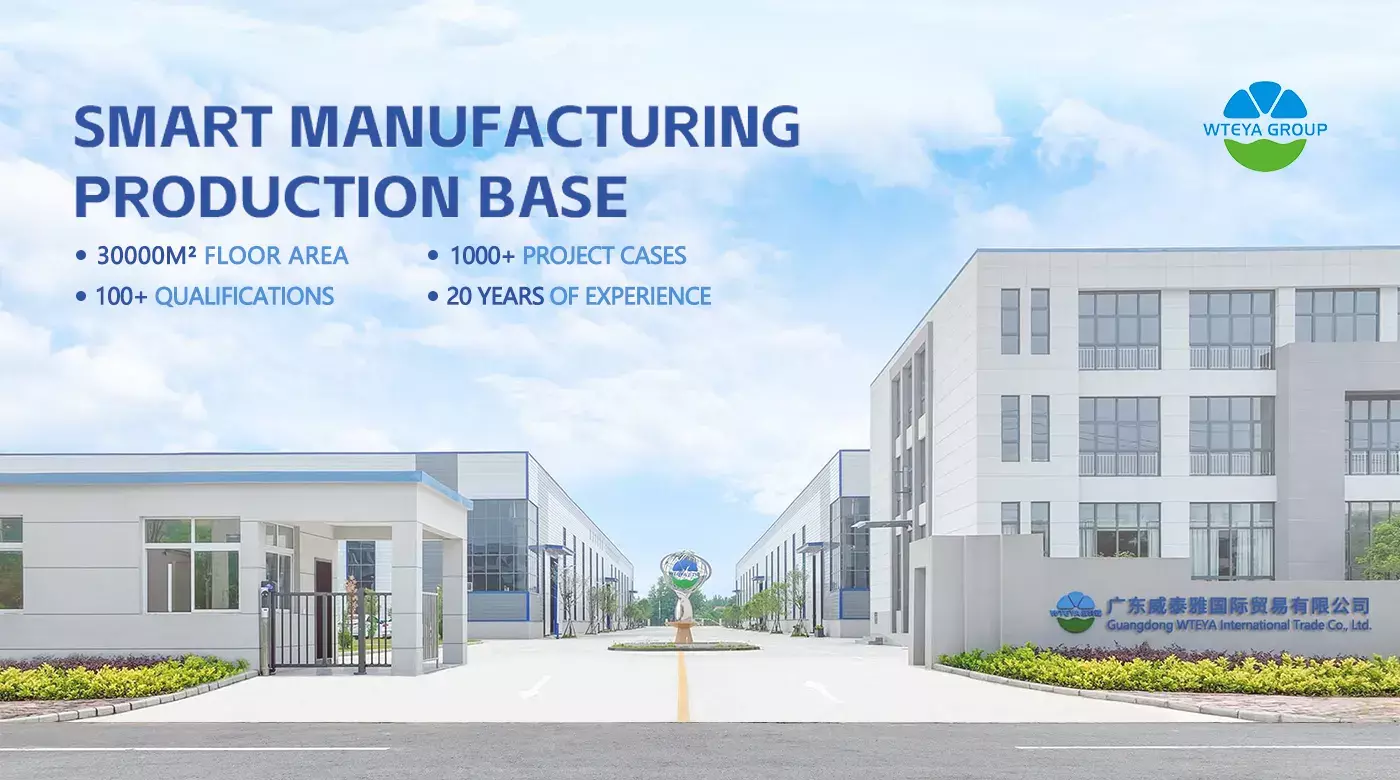
• Nearly 20 years of industry experience
• Trusted by global leaders including Foxconn, Huawei, Ganfeng Lithium, Ronbay Technology
• 100+ success cases worldwide
• OEM & ODM customization available
Become a WTEYA Distributor!
We are expanding global partnerships:
• Preferential policies
• Professional training
• Full technical support
Let us help you achieve exceptional water quality and operational sustainability!
📲 WhatsApp: +86-1800 2840 855
📧 Email: info@wteya.com
🌐 Website: www.wteya.com