






Why Are Industrial Parks Promoting Wastewater Zero Liquid Discharge (ZLD)?
1. Introduction
In recent years, industrial parks across the world have experienced increasingly strict environmental regulations and wastewater treatment upgrades. From chemical industrial park remediation to advanced treatment improvements in electroplating clusters, the concept of Wastewater Zero Liquid Discharge (ZLD) is appearing more frequently in industrial planning documents and environmental improvement programs.
So, why are industrial parks promoting wastewater zero liquid discharge? The reason goes far beyond environmental policies. It is driven by deeper technological requirements, water resource challenges, and the need for sustainable industrial development.
2. Three Fundamental Challenges of Industrial Wastewater
To understand why Zero Liquid Discharge is becoming necessary, we must first understand the three major characteristics that make industrial wastewater different from domestic wastewater.
Challenge 1: Wide Sources and Complex Composition
Industrial parks usually bring together multiple industries, including:
• Electronics manufacturing
• Chemical production
• Pharmaceutical manufacturing
• Electroplating
• Textile and dyeing industries
Different industries use different production processes, resulting in wastewater with completely different compositions.
This creates a major challenge:
A single treatment technology cannot ensure stable compliance for all types of industrial wastewater. Even when multiple treatment processes are combined, fluctuating wastewater characteristics can still make it difficult to guarantee stable effluent quality. This is one of the main reasons why many centralized wastewater treatment plants in industrial parks experience operational challenges and compliance risks—the influent wastewater composition is too complex, while traditional treatment systems lack sufficient adaptability.
Challenge 2: High Concentration and Difficult Treatment
Industrial wastewater usually contains much higher pollutant concentrations than municipal wastewater.
Typical industrial wastewater may contain:
• High COD organic pollutants
• High ammonia nitrogen
• High salt concentrations
• Heavy metals
• Toxic chemical compounds
The COD concentration of industrial wastewater is commonly above 3,000 mg/L, while some high-strength wastewater streams can reach tens of thousands or even hundreds of thousands of mg/L.
For example:
In the PCB industry, wastewater from developing and stripping processes may have COD concentrations exceeding 20,000 mg/L. Chemical industry distillation residues and pharmaceutical fermentation wastewater can have even higher pollutant concentrations. If these high-strength wastewaters directly enter conventional biological treatment systems, microorganisms may become inhibited or damaged, causing the entire treatment process to fail.
Challenge 3: Toxicity and Poor Biodegradability
Industries such as chemical manufacturing, pharmaceuticals, electronics, and daily chemical production often use synthetic polymers and complex organic compounds.
These substances usually have:
• Poor biodegradability
• Long environmental persistence
• Potential biological toxicity
The biodegradability indicator (BOD₅/COD ratio) is often below 0.2, indicating that wastewater is difficult to treat biologically. More importantly, many persistent organic pollutants cannot be effectively removed through conventional treatment processes. These pollutants may enter receiving water bodies with treated wastewater, accumulate over time, and cause irreversible damage to aquatic ecosystems.
3. Three Limitations of Traditional Wastewater Treatment Models
The traditional industrial park wastewater treatment model usually follows:
Enterprise Pretreatment → Centralized Wastewater Treatment Plant → Secondary Biological Treatment → Advanced Treatment → Discharge
This approach was effective when environmental requirements were relatively less strict.
However, with continuously tightening environmental standards, its limitations are becoming increasingly obvious.
| Limitation | Description |
|---|---|
| Increasingly strict discharge standards | COD limits in many regions have been reduced from 100 mg/L to 50 mg/L or even 30 mg/L. Requirements for heavy metals, nitrogen and phosphorus are also becoming stricter. |
| Limited receiving water capacity | Even if every industrial park meets discharge standards, the combined impact of multiple discharge points can still affect water quality. |
| Rising wastewater treatment costs | Increasing discharge fees and environmental taxes make traditional wastewater discharge increasingly expensive. |
4. Wastewater Zero Liquid Discharge: A Systematic Solution
Under these circumstances, Wastewater Zero Liquid Discharge (ZLD) technology has emerged as a sustainable solution.
The core concept of ZLD is:
Recover wastewater resources completely, reuse recovered water, and convert remaining pollutants into solid waste for proper disposal, creating a closed-loop water management system.
Complete ZLD Treatment Process
A complete industrial wastewater ZLD system consists of several key treatment stages:
Industrial Wastewater → Biological Treatment → Ultrafiltration System → Spiral-Wound RO Membrane → High-Pressure Membrane System → MVR Evaporation → Solid Waste Disposal
Stage 1: Pretreatment and Ultrafiltration
After biological treatment or other pretreatment processes, wastewater enters the ultrafiltration system.
Ultrafiltration Membrane Specifications:
Membrane pore size:
0.01–0.1 microns
Main Functions:
• Remove suspended solids
• Remove colloidal substances
• Remove large molecular organic compounds
Water Quality Requirement:
SDI (Silt Density Index) < 3
Ultrafiltration protects downstream RO membranes and improves the stability of the entire treatment system.
Stage 2: Spiral-Wound RO Membrane Separation
After ultrafiltration, the treated water enters the spiral-wound reverse osmosis (RO) membrane system.
RO technology separates dissolved salts and organic pollutants through pressure-driven membrane filtration.
Performance:
Rejection rate:
95%–98% for dissolved salts and organic compounds
Recovery rate:
60%–75%
The recovered permeate becomes high-quality reclaimed water that can be reused in industrial production or discharged according to regulations.
Stage 3: High-Pressure Membrane Concentration
The concentrated wastewater generated from the RO system enters a high-pressure membrane system for further concentration.
Operating Pressure:
8–12 MPa
Main Objectives:
- Increase pollutant concentration
- Reduce wastewater volume entering the evaporation system
- Improve overall ZLD efficiency
This step significantly reduces the energy consumption required for evaporation.
Stage 4: MVR Evaporation and Crystallization
MVR evaporation is the key process for achieving complete zero liquid discharge.
MVR stands for:
Mechanical Vapor Recompression
Working Principle:
A compressor increases the pressure and temperature of secondary steam, allowing it to be recycled as a heat source for continuous evaporation.
Energy Advantages:
Energy consumption can be reduced to approximately 1/5–1/3 of traditional multi-effect evaporation systems.
Final Output:
During evaporation:
- Water is evaporated and recovered
- Salts and heavy metals crystallize into solid forms
The result is:
No liquid wastewater discharge.
Stage 5: External Disposal of Solid Waste
Solid waste generated from evaporation crystallization must be managed according to hazardous waste regulations.
Qualified waste treatment companies are responsible for:
- Resource recovery
- Safe disposal
- Hazardous waste treatment
This ensures that concentrated pollutants are safely managed without secondary environmental risks.
5. Four Core Values of Wastewater Zero Liquid Discharge
Industrial parks promote wastewater ZLD because it creates value in four key areas.
1. Environmental Benefits
Zero Liquid Discharge fundamentally eliminates the pathway for industrial pollutants entering natural water systems. For industrial parks located in environmentally sensitive regions, ZLD provides one of the most effective solutions for balancing industrial development and environmental protection. Without wastewater discharge points, the risk of exceeding discharge limits is greatly reduced.
2. Resource Recovery Benefits
Industrial water costs continue to increase, while recovered water from ZLD systems can be reused in production processes.
For an industrial park treating 1,000 tons of wastewater per day:
• Recovered high-quality reclaimed water: 850–900 tons/day
• Annual reduction in freshwater consumption: More than 300,000 tons
This creates significant water-saving benefits.
3. Regulatory Compliance Advantages
With stricter environmental inspections and carbon reduction goals, companies face increasing pressure to maintain environmental compliance.
Industrial parks equipped with ZLD systems gain advantages in:
• Environmental inspections
• Wastewater discharge permit approval
• Green factory certification
• Preparation for future environmental standards
4. Economic Value Optimization
Many companies believe ZLD systems are too expensive.
However, long-term economic analysis shows that ZLD can help reduce:
| Cost Factor | Description |
|---|---|
| Wastewater discharge fees & environmental taxes | Increasing year by year |
| Water resource costs | Continuously rising |
| Potential environmental penalties | Significant financial risks |
| Corporate brand value | Enhanced green reputation |
With the development of domestic membrane technologies and MVR equipment manufacturing, the investment and operating costs of ZLD systems are gradually decreasing. Companies such as WTEYA have achieved independent manufacturing of key ZLD equipment, further lowering the barriers to implementation.
6. Conclusion
The promotion of wastewater zero liquid discharge in industrial parks is not an environmental marketing campaign.
It is a practical solution driven by three fundamental challenges of industrial wastewater:
• Complex composition
• High pollutant concentration
• Strong toxicity and poor biodegradability
The traditional approach of:
“Treat wastewater and discharge after meeting standards”
is becoming increasingly difficult under stricter regulations and limited environmental capacity.
Through the advanced treatment combination of:
Ultrafiltration + Spiral-Wound RO + High-Pressure Membrane + MVR Evaporation
ZLD systems maximize water recovery and convert pollutants into manageable solid waste.
This represents a fundamental transformation in industrial wastewater management.
WTEYA has been focusing on industrial wastewater zero liquid discharge solutions for many years, providing complete services from:
• Process design
• Equipment manufacturing
• Engineering implementation
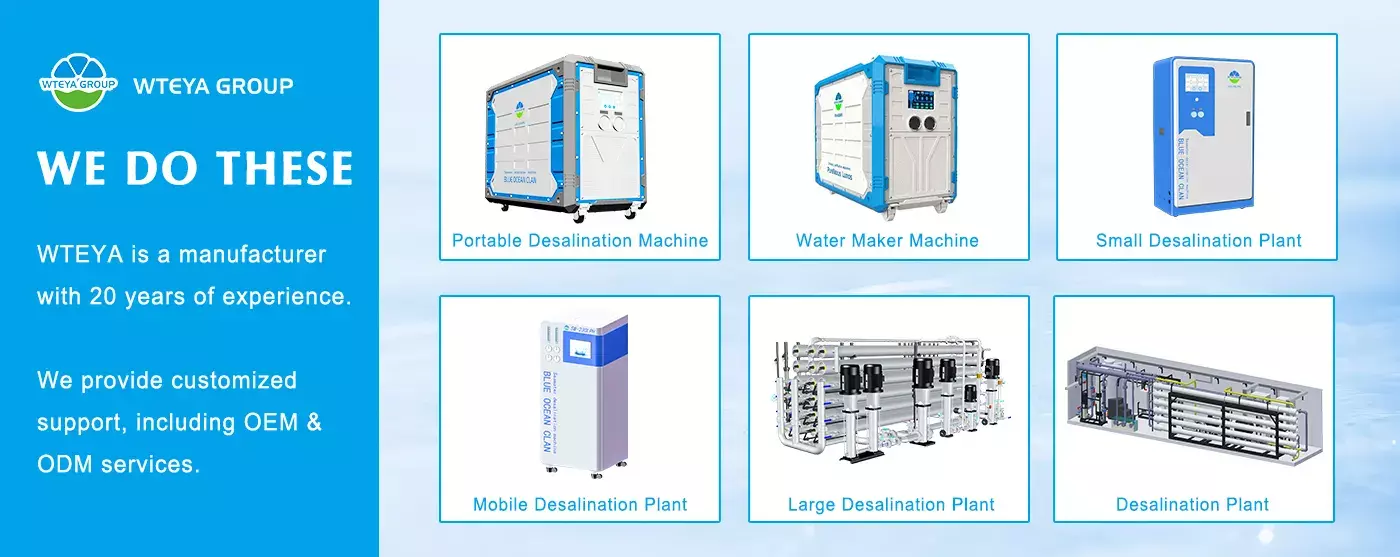
WTEYA supports OEM and ODM customization and provides tailored solutions for different industrial requirements. Whether it is a single factory wastewater zero discharge upgrade or a centralized ZLD treatment station for an entire industrial park, WTEYA delivers reliable and customized wastewater treatment solutions.
Why Partner with WTEYA?
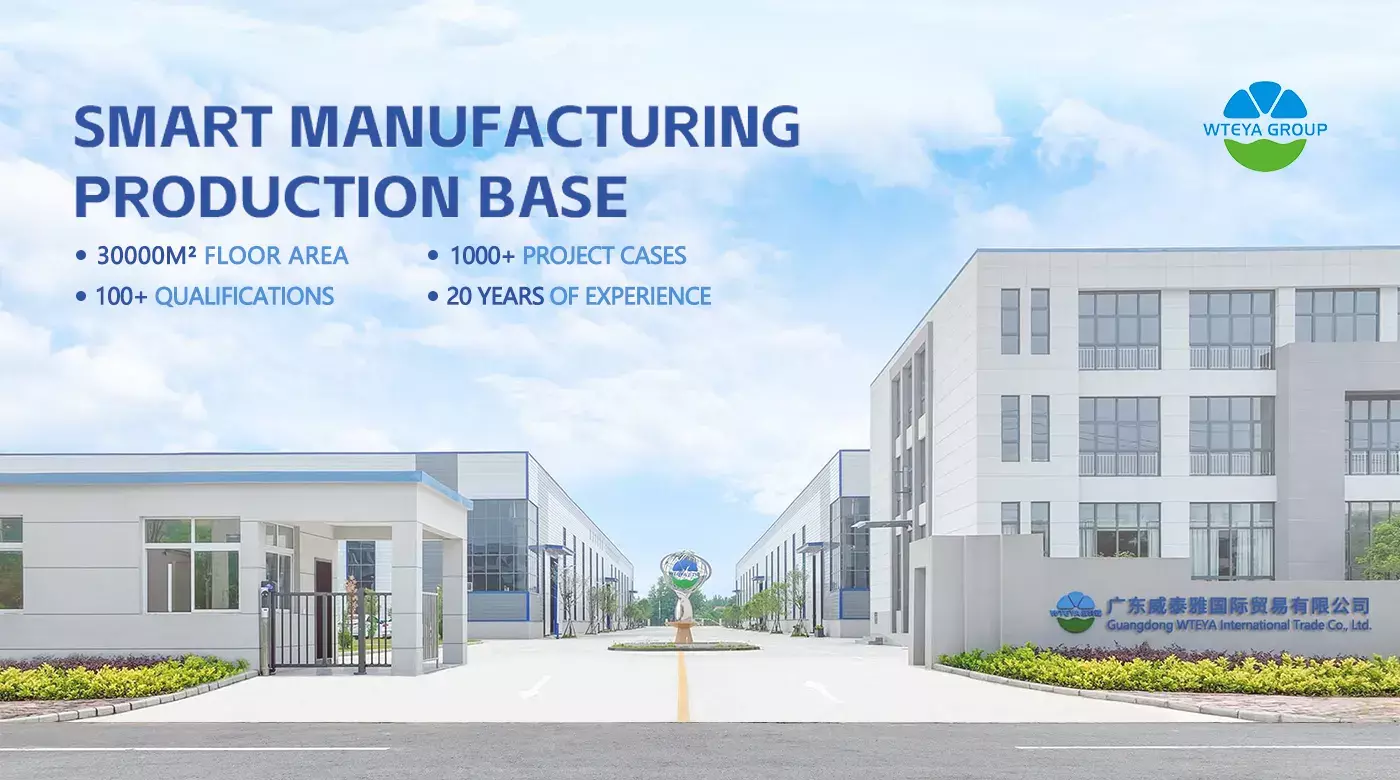
• Nearly 20 years of industry experience
• Trusted by global leaders including Foxconn, Huawei, Ganfeng Lithium, Ronbay Technology
• 100+ success cases worldwide
• OEM & ODM customization available
Become a WTEYA Distributor!
We are expanding global partnerships:
• Preferential policies
• Professional training
• Full technical support
Let us help you achieve exceptional water quality and operational sustainability!
📲 WhatsApp: +86-1800 2840 855
📧 Email: info@wteya.com
🌐 Website: www.wteya.com