






Why Advanced Wastewater Treatment Is Essential in the Semiconductor Industry?
The semiconductor manufacturing process demands extremely high water quality, with ultrapure water (UPW) being crucial to ensuring product performance and yield. However, the industry also generates large volumes of complex wastewater. Without advanced treatment, this wastewater poses significant environmental risks and represents a waste of valuable water resources. This article explains why advanced wastewater treatment is indispensable in the semiconductor sector and introduces Wteya's integrated solution for UPW production and wastewater reuse.
① Ultrapure Water: The “Lifeblood” of Semiconductor Manufacturing
In semiconductor fabrication, every step—from wafer cleaning, etching, and film deposition to doping—relies on ultrapure water.
Semiconductor processes involve precise chemical and physical reactions, and even trace impurities, ions, microorganisms, or particles in water can contaminate chips, directly impacting product performance, stability, and reliability.
Ultrapure water is water with a resistivity close to the theoretical limit of 18.2 MΩ·cm (25°C), virtually free of impurities, ions, bacteria, particles, and organics. It is one of the most extensively used and highest-demand consumables in semiconductor plants.
② Two Critical Requirements: Pure Inlet, Clean Outlet
Water treatment in the semiconductor industry has two interdependent and equally critical objectives:
| Requirement | Goal | Core Challenge |
|---|---|---|
| Ultrapure water production | Provide high-purity water for manufacturing | Extremely stringent water quality requirements; even minor impurities can cause product rejection |
| Advanced wastewater treatment | Treat production wastewater for compliant discharge or reuse | Wastewater composition is complex, containing heavy metals, acids, bases, organic solvents, etc.; environmental regulations are increasingly strict |
Focusing solely on inlet water without treating wastewater exposes companies to mounting environmental compliance risks. This is the fundamental reason why advanced wastewater treatment is essential in semiconductor manufacturing.
③ Why Traditional Wastewater Treatment Is Insufficient
Semiconductor wastewater presents unique challenges that make it one of the most difficult industrial wastewaters to treat:
• Extremely complex composition: heavy metals (Cu, Ni, Sn, etc.), acidic/alkaline solutions, organic solvents, fluorides, abrasive particles, and more.
• Highly variable quality and quantity: different processes (e.g., cleaning, etching, CMP) produce wastewater with vastly differing characteristics.
• High biotoxicity: certain pollutants are biologically toxic, making conventional biochemical treatments ineffective.
• Stringent discharge standards: regulations are tightening globally, with some regions requiring near-zero discharge.
Limitations of traditional “neutralization + biological treatment” methods:
• Limited removal of heavy metals and fluorides.
• Poor efficiency for high-concentration organic wastewater.
• Generates large amounts of chemical sludge, causing secondary pollution risks.
• Cannot recover water for reuse, leading to resource wastage.
The semiconductor industry must adopt “advanced treatment + resource recovery” strategies for wastewater.
④ Controlling at the Source: Key Technologies in Ultrapure Water Production
Understanding UPW production is crucial because process-generated rinse water, concentrate, and other by-products are important sources of wastewater. Wteya’s ultrapure water systems employ high-precision technologies to remove impurities, ensuring water meets semiconductor manufacturing standards.
4.1 Multimedia & Activated Carbon Filtration
• Application: Initial water treatment stage
• Function: Removes suspended solids, colloids, particles, and residual chlorine
• Value: Provides clean feed water for RO and EDI systems, protecting equipment and extending service life
4.2 Ultrafiltration (UF)
• Applications:
-
- UPW pre-treatment: removes particles, colloids, and macromolecular organics to protect downstream RO membranes
- Process liquid preparation: filters acids, bases, and solvents to ensure required purity
- Wastewater pre-treatment: removes suspended solids before membrane separation
4.3 Reverse Osmosis (RO) Membrane System
• Application: Core desalination step in UPW production
• Function: Removes >99% of dissolved ions, organics, and microbes, producing low-tension deionized water
• Value: Supports wafer and chip cleaning, reduces defect rates, and improves yield
⑤ Wteya’s One-Stop Advanced Wastewater Treatment Solution
Wteya offers an integrated, turnkey solution for efficiently treating semiconductor wastewater and enabling resource recovery.
5.1 Core Process Flow:
Combination Filtration → Specialized Membrane Separation → EDI Deionization → Polishing Mixed Bed
5.2 Process Units Overview:
| Process Unit | Function | Output/Effect |
|---|---|---|
| Combination Filtration | Removes suspended solids, colloids, and particles; protects downstream membranes | Meets membrane feed water requirements |
| Specialized Membrane Separation | Efficiently separates heavy metals, organics, and salts; concentrates wastewater while recovering clean water | Clean water (for reuse) + concentrate (further treatment or discharge) |
| EDI System | Continuous electro-deionization without acid/base regeneration | High-purity deionized water |
| Polishing Mixed Bed | Removes residual ions to improve water quality | Ultrapure water (suitable for critical production) |
5.3 Core Benefits:
• High-quality water reuse: Product water meets or exceeds UPW standards, directly usable in production.
• High recovery rate: Overall water recovery of 85–95%, significantly reducing fresh water use and discharge.
• Regulatory compliance: Effectively removes pollutants, ensuring stable discharge or reuse quality.
• Lower operational costs: Reduces water and sewage fees; EDI avoids acid/base regeneration costs and safety risks.
⑥ Wteya’s Competitive Advantages
Productized · Modular · Intelligent
| Dimension | Wteya Advantage | Customer Value |
|---|---|---|
| Productized | Standardized industrial products, not on-site bulk construction | Stable quality, shorter delivery cycles |
| Modular | Prefabricated factory modules, quickly assembled on-site | 80% shorter installation time, flexible investment, easy maintenance |
| Intelligent | Integrated cloud-based control system | 24/7 unattended operation, remote monitoring, fault diagnosis, cost reduction |
Conclusion:
| Driving Factor | Explanation |
|---|---|
| Process requirements | Ultrapure water is the lifeline of semiconductor manufacturing; its production is inherently advanced treatment. |
| Complex wastewater composition | Heavy metals, acids/bases, organic solvents, and other pollutants cannot be effectively or stably treated by traditional methods. |
| Tightening environmental regulations | Discharge standards are becoming more stringent; mere compliance is insufficient, near-zero discharge is the trend. |
| Scarce water resources | Water reuse reduces production costs and reflects corporate environmental responsibility. |
| Competitive advantage | Strong environmental management and water resource strategies are increasingly a differentiator in the semiconductor industry. |
Leveraging the full technology chain of “Combination Filtration + Specialized Membrane Separation + EDI + Polishing Mixed Bed”, along with productized, modular, and intelligent delivery, Wteya provides the semiconductor industry with a one-stop solution from ultrapure water production to advanced wastewater treatment and full water reuse.
Why Partner with WTEYA?
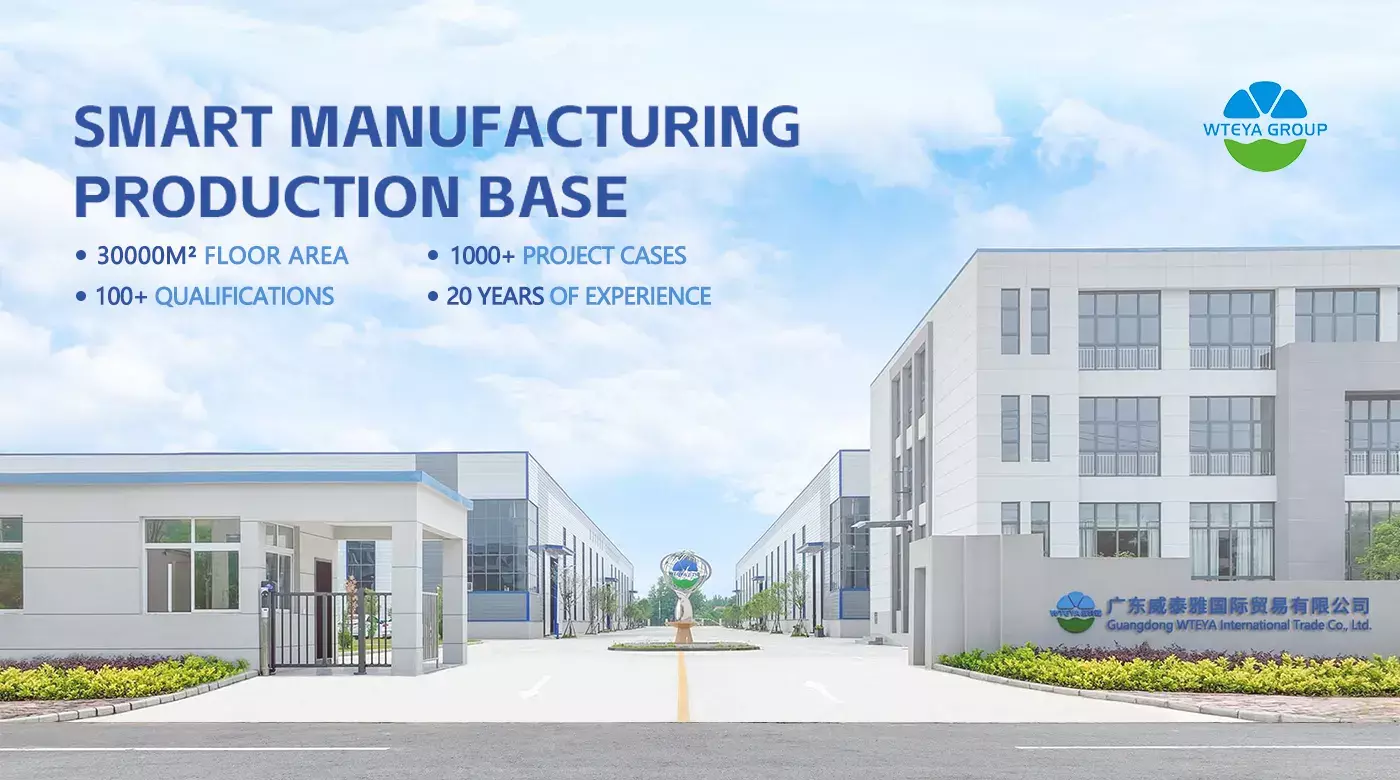
• Nearly 20 years of industry experience
• Trusted by global leaders including Foxconn, Huawei, Ganfeng Lithium, Ronbay Technology
• 100+ success cases worldwide
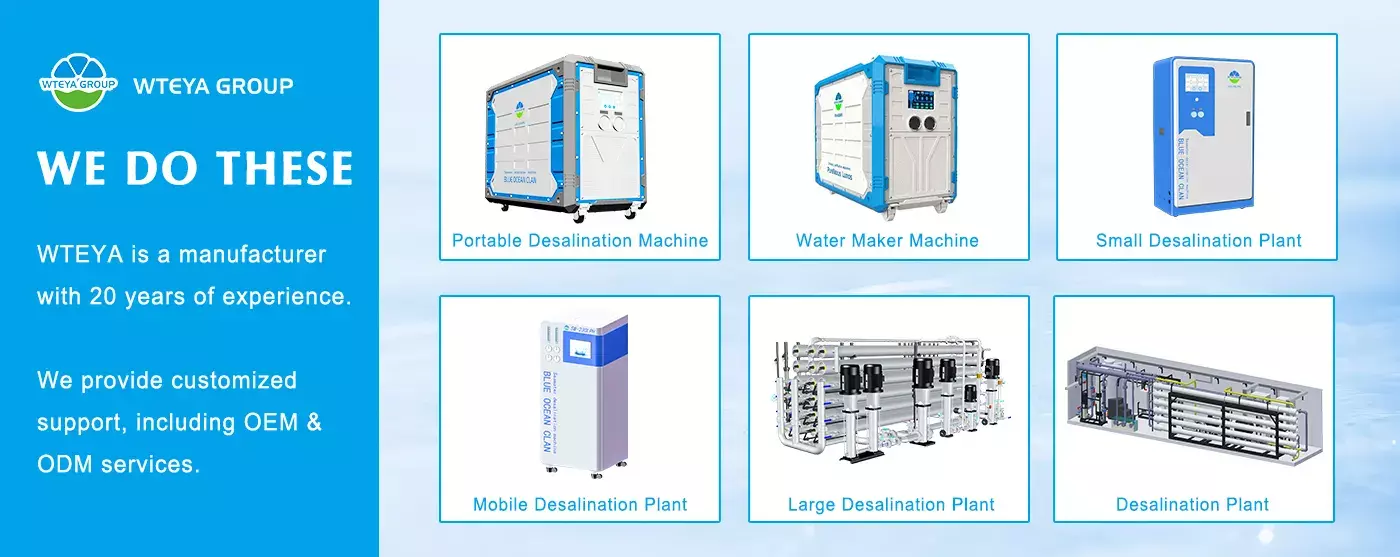
• OEM & ODM customization available
Become a WTEYA Distributor!
We are expanding global partnerships:
• Preferential policies
• Professional training
• Full technical support
Let us help you achieve exceptional water quality and operational sustainability!
📲 WhatsApp: +86-1800 2840 855
📧 Email: info@wteya.com
🌐 Website: www.wteya.com