






What Makes High-Salinity Wastewater Treatment Difficult? How Can True Zero Liquid Discharge Be Achieved?
With increasingly strict environmental regulations, more and more industrial companies are focusing on high-salinity wastewater treatment and zero liquid discharge (ZLD) technology. In industries such as chemical manufacturing, pharmaceuticals, electroplating, textile dyeing, and coal chemical production, high-salinity wastewater has become one of the most challenging wastewater treatment issues due to its high salt concentration, complex composition, and difficult treatment characteristics. Many companies adopt a treatment process combining pretreatment + membrane concentration + evaporation crystallization when building a zero liquid discharge system. However, during actual operation, the treatment of highly concentrated brine generated after membrane concentration often becomes the key factor affecting the stability and efficiency of the entire system. As a professional industrial wastewater treatment solution provider, WTEYA provides comprehensive high-salinity wastewater zero liquid discharge solutions, covering pretreatment, membrane concentration, and MVR evaporation crystallization technologies. Through advanced process design, WTEYA helps industrial enterprises achieve water recovery, pollutant reduction, and sustainable wastewater management.
Why Is High-Salinity Wastewater a Major Industrial Treatment Challenge?
Compared with conventional industrial wastewater, high-salinity wastewater has much higher pollutant concentrations and often contains various difficult-to-treat substances. During the concentration process, although the wastewater volume decreases, salts, organic compounds, and impurities become increasingly concentrated, making further treatment more difficult.
High-salinity wastewater commonly comes from industries such as:
| Industry | Wastewater Characteristics |
|---|---|
| Chemical Industry | High salt concentration with complex organic pollutants |
| Electroplating Industry | Contains heavy metals and high concentrations of inorganic salts |
| Pharmaceutical Industry | High organic content and unstable water quality |
| Textile Dyeing Industry | High color intensity and salt content |
| Coal Chemical Industry | High COD, high salinity, and complex compositions |
Due to these characteristics, traditional wastewater treatment methods often fail to meet strict environmental standards. Therefore, advanced zero liquid discharge technology has become an important solution for industrial wastewater management.
Why Is Concentrated Brine After Membrane Treatment Difficult to Handle?
A typical high-salinity wastewater zero liquid discharge system usually includes:
Pretreatment → Membrane Concentration → MVR Evaporation → Crystallization
The membrane concentration process is mainly used to reduce wastewater volume and increase salt concentration.
For example, a project treating 100 tons/day of high-salinity wastewater may reduce the volume to approximately 10-20 tons of concentrated liquid after membrane treatment.
Although the wastewater volume is significantly reduced, the remaining concentrated liquid contains much higher levels of:
• Dissolved salts
• Organic compounds
• Impurities
• Scaling-forming substances
This concentrated brine becomes one of the most challenging stages in the entire zero liquid discharge process.
| Treatment Stage | Main Function | Key Challenges |
|---|---|---|
| Pretreatment | Removes suspended solids, hardness, and organic matter | Requires accurate water quality control |
| Membrane Concentration | Reduces wastewater volume and increases concentration | Generates high-salt concentrated liquid |
| Evaporation Crystallization | Separates water and salts for zero discharge | Scaling, corrosion, and high energy consumption |
Key Challenges in High-Salinity Wastewater Zero Liquid Discharge
1. Salt Scaling Reduces Equipment Efficiency
During evaporation, water continuously evaporates while dissolved salts become increasingly concentrated. Once salts reach saturation levels, crystallization may occur on heat transfer surfaces.
If the evaporation system is not properly designed, scaling problems may lead to:
• Reduced heat transfer efficiency
• Increased energy consumption
• Frequent equipment cleaning
• Higher maintenance costs
Therefore, industrial evaporation equipment for high-salinity wastewater must be specifically designed according to different water characteristics.
2. Organic Compounds Affect System Stability
Some industrial wastewater contains difficult-to-degrade organic substances. These compounds accumulate during membrane concentration and may enter the evaporation system.
During evaporation, organic matter can cause:
• Excessive foaming
• Heat exchanger contamination
• Organic fouling
• Carbon deposition
To ensure stable operation, effective pretreatment processes are required before wastewater enters the evaporation stage.
3. Corrosion Resistance Determines Equipment Service Life
High-salt environments combined with strong acidic or alkaline conditions can create severe corrosion challenges.
If ordinary materials are used, long-term operation may result in:
• Equipment corrosion
• Leakage risks
• Increased maintenance requirements
• Reduced system lifespan
Therefore, advanced industrial wastewater treatment equipment often uses corrosion-resistant materials such as:
• Titanium
• Hastelloy alloys
• Other specialized materials
to improve durability and reliability.
4. Salt Resource Utilization Is Essential
After evaporation crystallization, a large amount of solid salt is generated. A complete zero liquid discharge system should not only focus on eliminating wastewater discharge but also consider the utilization and disposal value of recovered salts.
Efficient salt separation and resource utilization can help enterprises:
• Reduce waste disposal costs
• Improve resource recovery efficiency
• Achieve more sustainable production
WTEYA High-Salinity Wastewater Zero Liquid Discharge Solutions
To address the challenges faced by industrial companies, WTEYA provides integrated zero liquid discharge solutions designed to improve system stability, energy efficiency, and resource utilization.
| Technical Process | WTEYA Solution | Advantages |
|---|---|---|
| Concentrated Brine Pretreatment | Customized process design based on wastewater characteristics | Reduces scaling and fouling risks |
| MVR Evaporation System | Designed for high-concentration wastewater treatment | Energy-efficient and stable operation |
| Material Selection | Uses titanium, Hastelloy, and corrosion-resistant materials | Extends equipment service life |
| Crystallization Process | Optimized salt separation technology | Improves salt recovery value |
Advanced MVR Evaporation Technology for Stable Operation
Based on the characteristics of high-salinity wastewater, WTEYA develops advanced MVR evaporation systems to improve evaporation efficiency and operational stability.
The system features:
• Adaptability to high-salt and high-concentration wastewater
• Reduced energy consumption compared with traditional evaporation methods
• Lower scaling risks and maintenance frequency
• Long-term continuous operation capability
With intelligent control technology, the system can automatically adjust operating parameters according to changes in wastewater quality, ensuring stable treatment performance.
How Can True Zero Liquid Discharge Be Achieved?
True zero liquid discharge is not simply about reducing wastewater volume. It requires comprehensive management of wastewater, salts, and recovered resources.
A mature high-salinity wastewater zero liquid discharge system should achieve:
| Goal | Implementation Method |
|---|---|
| Reduce wastewater discharge | Membrane concentration + evaporation treatment |
| Recover water resources | Reuse distilled water in production processes |
| Treat concentrated brine | MVR evaporation and crystallization |
| Reduce environmental costs | Salt recovery and resource utilization |
Through systematic process design, enterprises can not only meet environmental regulations but also improve water utilization efficiency and reduce long-term operating costs.
Conclusion:
The real challenge of high-salinity wastewater treatment is not only treating wastewater itself, but also solving critical issues such as concentrated brine management, equipment corrosion, scaling control, and salt utilization. With advanced high-salinity wastewater zero liquid discharge technology, WTEYA provides industrial enterprises with reliable and efficient wastewater treatment solutions, covering wastewater reduction, water recovery, concentration treatment, and resource recycling. As environmental requirements continue to increase worldwide, zero liquid discharge technology will become an essential solution for industries seeking cleaner production, sustainable development, and improved resource efficiency.
Why Partner with WTEYA?
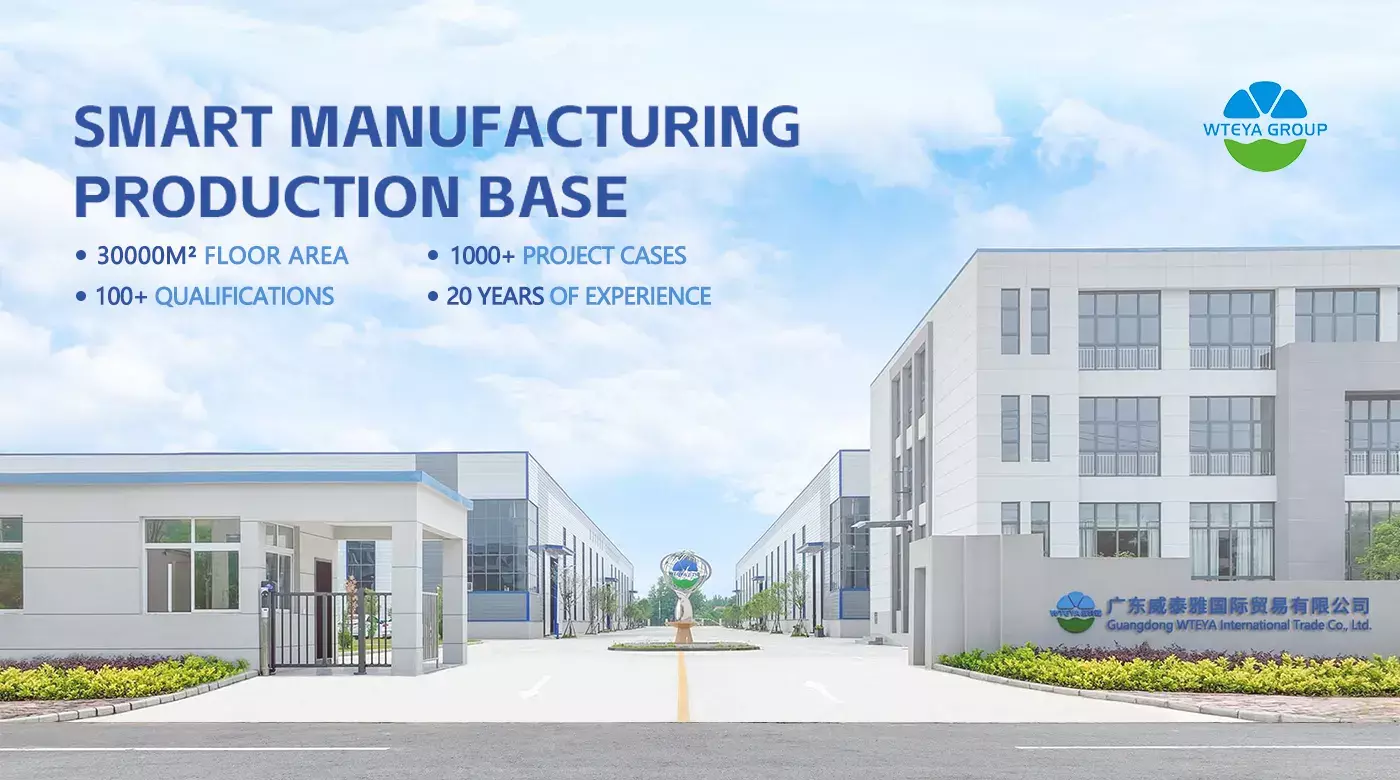
• Nearly 20 years of industry experience
• Trusted by global leaders including Foxconn, Huawei, Ganfeng Lithium, Ronbay Technology
• 100+ success cases worldwide
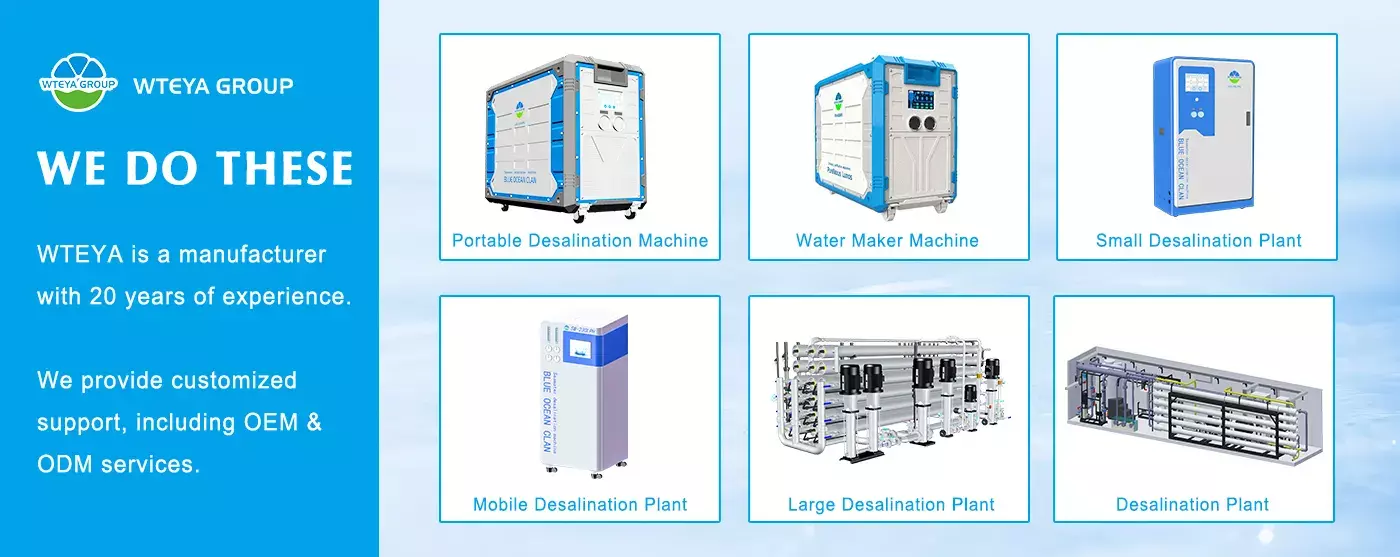
• OEM & ODM customization available
Become a WTEYA Distributor!
We are expanding global partnerships:
• Preferential policies
• Professional training
• Full technical support
Let us help you achieve exceptional water quality and operational sustainability!
📲 WhatsApp: +86-1800 2840 855
📧 Email: info@wteya.com
🌐 Website: www.wteya.com