






From High-Fluoride Wastewater to Zero Liquid Discharge: How Can Lithium Battery Companies Reduce Environmental Treatment Costs?
With the rapid growth of electric vehicles and energy storage industries, the lithium battery manufacturing sector is experiencing significant expansion. However, while production capacity continues to increase, environmental management has become a major challenge for battery manufacturers. Among all environmental issues, lithium battery wastewater treatment, especially high-fluoride wastewater treatment, has become one of the key factors affecting green production and long-term operational costs. Lithium battery production wastewater mainly comes from cathode material production, anode material processing, electrolyte preparation, battery cleaning, and equipment washing processes.
Due to the use of fluoride-containing materials, metal compounds, and organic additives during production, lithium battery wastewater usually has characteristics such as:
• High fluoride concentration
• High salinity
• High COD
• Complex pollutants
Compared with conventional industrial wastewater, lithium battery wastewater is more difficult to treat. Companies need not only to meet environmental discharge standards but also to improve water reuse efficiency, reduce treatment costs, and gradually achieve zero liquid discharge (ZLD). As a professional industrial wastewater treatment solution provider, WTEYA develops customized zero liquid discharge solutions for lithium battery manufacturers. Through technologies such as fluoride removal, membrane concentration, and MVR evaporation crystallization, WTEYA helps companies achieve efficient wastewater treatment and reduce long-term environmental costs.
Why Is Lithium Battery Wastewater Difficult to Treat?
Lithium battery manufacturing involves multiple production processes, and each stage generates wastewater with different characteristics. For example, wastewater from cathode material production may contain heavy metals such as nickel, cobalt, and manganese, as well as high concentrations of fluoride. Electrolyte production may generate wastewater containing fluorinated compounds and organic pollutants. Battery cleaning wastewater may also contain various production residues.
These pollutants create a complex wastewater system that requires advanced treatment technologies. Among all pollutants, fluoride is one of the biggest challenges in lithium battery wastewater treatment.
Because lithium battery production uses fluoride-containing materials such as lithium hexafluorophosphate (LiPF₆), some wastewater streams may contain fluoride concentrations ranging from hundreds to thousands of milligrams per liter.
High fluoride levels can cause several problems:
• Increased chemical consumption
• Higher treatment difficulty
• Scaling risks in downstream equipment
• Reduced stability of membrane and evaporation systems
In addition, lithium battery production processes often change according to different materials and product models. This means wastewater quality may fluctuate in terms of fluoride concentration, salt content, and organic pollutants. Therefore, wastewater treatment systems must have strong adaptability and stable operation capabilities.
Why Is Traditional Fluoride Removal Not Enough for Zero Liquid Discharge?
Chemical precipitation is one of the most common methods for fluoride removal in industrial wastewater treatment. By adding calcium-based chemicals, fluoride ions react with calcium to form calcium fluoride (CaF₂) precipitation, reducing fluoride concentration. However, for lithium battery wastewater, traditional fluoride removal methods alone cannot meet long-term zero liquid discharge requirements.
The reason is that lithium battery wastewater contains not only fluoride but also:
• High salt content
• Heavy metals
• Organic pollutants
• Complex chemical components
A complete zero liquid discharge solution requires multiple treatment stages.
The typical process includes:
1. Pretreatment Stage
The main purpose is to remove fluoride, suspended solids, and other pollutants while protecting downstream treatment equipment.
2. Advanced Treatment Stage
Membrane technologies are used to further reduce contaminants and improve water recovery efficiency.
3. Evaporation and Crystallization Stage
Concentrated wastewater is further treated to achieve wastewater reduction and resource recovery. Through the combination of different technologies, companies can achieve stable wastewater treatment performance while controlling operating costs.
How Does WTEYA Solve High-Fluoride Lithium Battery Wastewater Problems?
Based on the characteristics of lithium battery wastewater, WTEYA provides a complete "step-by-step treatment + resource recovery" zero liquid discharge solution. The system focuses on reducing pollutant loads at the front end and improving water recycling efficiency through advanced treatment technologies.
Efficient Fluoride Removal Technology
During the pretreatment stage, WTEYA applies calcium precipitation combined with specialized flocculation technology to remove high concentrations of fluoride.
Instead of simply increasing chemical dosage, WTEYA optimizes:
• pH control
• Chemical ratio
• Reaction conditions
This approach improves fluoride removal efficiency while reducing chemical waste and sludge production. Effective fluoride removal also protects downstream membrane systems and evaporation equipment.
Membrane Concentration Technology for Higher Water Recovery
After pretreatment, WTEYA uses advanced membrane separation technologies, including:
• Reverse Osmosis (RO)
• Nanofiltration (NF)
for further wastewater purification.
Lithium battery wastewater creates special challenges because residual fluoride can react with calcium and cause CaF₂ scaling. In addition, acid and alkaline fluctuations during pretreatment require membranes with strong chemical resistance.
WTEYA membrane systems feature:
• Better anti-fouling performance
• Strong chemical cleaning resistance
• Improved operational stability
By reducing the wastewater volume entering the evaporation system, membrane concentration helps lower energy consumption and operating costs.
How Does MVR Evaporation Technology Reduce Zero Liquid Discharge Costs?
After membrane concentration, high-salt concentrated wastewater becomes one of the biggest challenges in lithium battery wastewater treatment.
Traditional treatment methods often have problems such as:
• High energy consumption
• High operating costs
• Difficult maintenance
MVR (Mechanical Vapor Recompression) evaporation technology provides a more energy-efficient solution by recycling secondary steam generated during evaporation. WTEYA MVR evaporation systems are designed for high-salt wastewater treatment and can effectively reduce wastewater volume through evaporation and crystallization.
During operation:
• Condensed water can be reused in production processes
• Freshwater consumption can be reduced
• Concentrated materials can be further processed for resource recovery
This helps lithium battery manufacturers achieve lower treatment costs and more sustainable production.
From Wastewater Treatment to Resource Recovery
With stricter environmental regulations, lithium battery companies are moving from simple wastewater discharge compliance toward resource recovery and circular utilization.
For high-concentration fluoride wastewater, WTEYA can combine resource recovery technologies to convert fluoride components into valuable products, such as:
• Sodium fluoride
• Cryolite
This allows wastewater treatment systems to create additional economic value instead of only generating environmental costs.
The future development direction of lithium battery wastewater treatment will focus on:
• Wastewater reduction
• Water recycling
• Resource recovery
• Energy optimization
Why Choose WTEYA Lithium Battery Wastewater Treatment Solutions?
Lithium battery wastewater characteristics vary between manufacturers due to differences in production processes, materials, and environmental requirements.
Therefore, a customized treatment solution is essential.
WTEYA provides professional wastewater treatment solutions through:
• Wastewater analysis
• Process design
• Equipment optimization
• System integration
By combining:
• Fluoride removal technology
• Membrane concentration
• MVR evaporation
• Resource recovery processes
WTEYA helps lithium battery companies solve high-fluoride wastewater challenges while improving water utilization efficiency. For companies building new production lines or upgrading environmental systems, choosing the right zero liquid discharge wastewater treatment solution can reduce long-term operating costs and improve sustainability.
Conclusion:
High-fluoride wastewater is one of the biggest environmental challenges in lithium battery manufacturing. However, through advanced treatment technologies and proper process design, companies can achieve stable wastewater treatment, reduce costs, and improve resource utilization. From fluoride removal and membrane concentration to MVR evaporation crystallization, a complete zero liquid discharge system provides lithium battery manufacturers with an effective pathway toward sustainable production. With professional experience in industrial wastewater treatment, WTEYA provides high-fluoride wastewater treatment and zero liquid discharge solutions to help lithium battery companies meet environmental requirements and achieve long-term development.
Why Partner with WTEYA?
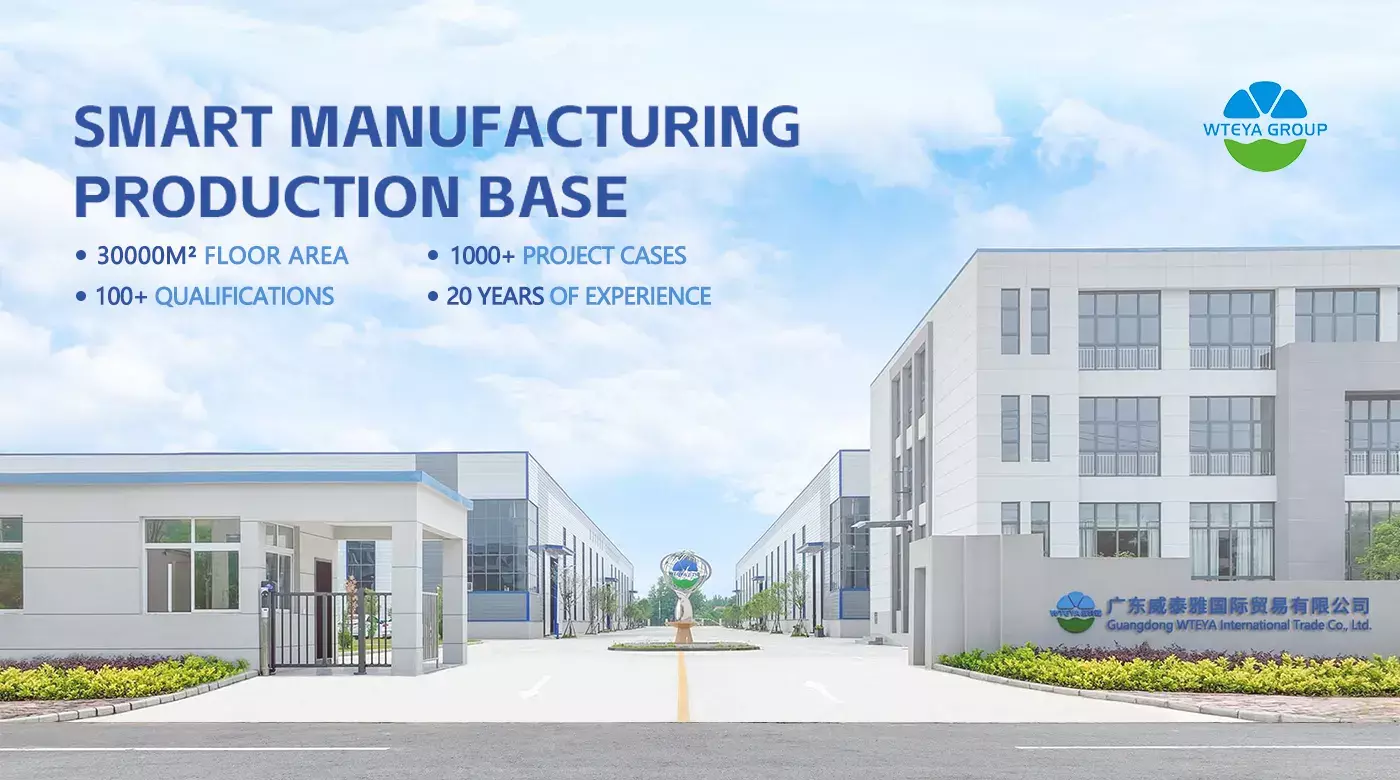
• Nearly 20 years of industry experience
• Trusted by global leaders including Foxconn, Huawei, Ganfeng Lithium, Ronbay Technology
• 100+ success cases worldwide
• OEM & ODM customization available
Become a WTEYA Distributor!
We are expanding global partnerships:
• Preferential policies
• Professional training
• Full technical support
Let us help you achieve exceptional water quality and operational sustainability!
📲 WhatsApp: +86-1800 2840 855
📧 Email: info@wteya.com
🌐 Website: www.wteya.com