






Lithium Battery Industry Wastewater: From “Discharge Compliance” to Resource Recovery
The rapid growth of the new energy industry has accelerated the development of lithium battery manufacturing worldwide. However, the increasing production of lithium batteries has also created a major environmental challenge: complex wastewater containing high salt concentrations, high ammonia nitrogen levels, heavy metals, and other difficult-to-treat pollutants.
Traditional wastewater treatment approaches that focus only on “meeting discharge standards” are becoming insufficient as environmental regulations become stricter. The lithium battery industry is now moving toward a more sustainable approach — resource recovery and zero liquid discharge (ZLD) — transforming wastewater from a waste stream into a valuable resource.
1. Sources and Characteristics of Lithium Battery Wastewater
Lithium battery wastewater mainly comes from processes such as cathode material precursor production, battery material cleaning, equipment washing, and manufacturing process operations.
Depending on the type of cathode material, wastewater characteristics can vary significantly.
| Cathode Material Type | Main Pollutants | Wastewater Characteristics | Treatment Challenges |
|---|---|---|---|
| Ternary precursor materials (NCM) | Nickel, cobalt, manganese, ammonia nitrogen, sulfate | High salt, high ammonia nitrogen, heavy metals | Heavy metal removal, ammonia recovery, salt crystallization |
| Lithium iron phosphate (LFP) | Iron, phosphate, ammonia nitrogen | High phosphorus, high ammonia nitrogen | Phosphorus recovery, ammonia nitrogen removal |
| Lithium carbonate / lithium hydroxide production | Lithium, sulfate, chloride, thallium, fluoride | High salinity, toxic elements | Thallium and fluoride removal, lithium recovery |
| Battery recycling wastewater | Multiple heavy metals, organic pollutants, acids and alkalis | Complex composition, high toxicity | Heavy metal separation and organic degradation |
The common characteristics of lithium battery wastewater include:
• High salt concentration
• High ammonia nitrogen content
• Heavy metal ions and complex compounds
• Poor biodegradability
• Certain levels of toxicity
If discharged without effective treatment, these pollutants may cause long-term environmental risks and threaten human health.
2. Three Major Challenges in Lithium Battery Wastewater Treatment
Challenge 1: Multiple Heavy Metals with Strong Toxicity
Lithium battery cathode material production involves various metal elements, including nickel, cobalt, manganese, and lithium. Heavy metals such as lead, cadmium, cobalt, nickel, mercury, and other metal ions are difficult to degrade biologically and may accumulate in ecosystems over time. Different metals require different removal conditions and treatment technologies, increasing the complexity of wastewater treatment systems. Therefore, efficient separation and recovery technologies are essential for lithium battery wastewater management.
Challenge 2: High Salt and High Ammonia Nitrogen Increase Treatment Costs
Lithium battery wastewater often contains high concentrations of sodium sulfate, sodium chloride, and ammonia nitrogen. For example, wastewater generated from ternary precursor production usually contains extremely high salt and ammonia levels. Traditional biological treatment methods are often ineffective under high-salinity conditions, while conventional physical and chemical treatment methods may require large chemical consumption and generate significant sludge. As a result, reducing operating costs while achieving stable treatment performance has become a key challenge for the industry.
Challenge 3: High Risk of Characteristic Pollutant Exceedance
Lithium raw materials may contain trace toxic elements such as thallium and fluoride. During production, these substances can enter wastewater systems. Thallium has extremely strict discharge limits, and conventional treatment technologies often struggle to remove trace concentrations effectively. Therefore, controlling thallium and fluoride has become a major compliance challenge for lithium manufacturers.
3. Changing the Treatment Concept: From Discharge Compliance to Resource Recovery
Traditional wastewater treatment mainly focuses on achieving discharge standards. However, with increasingly strict environmental regulations and growing resource demands, this approach is becoming less sustainable.
The new concept of resource recovery wastewater treatment aims to transform pollutants into valuable resources, including:
• Reclaimed water reuse
• Salt recovery
• Lithium recovery
• Heavy metal enrichment
This approach not only ensures environmental compliance but also creates additional economic value.
At the policy level, industry standards for lithium battery wastewater treatment and reuse are gradually emphasizing advanced treatment technologies such as membrane separation combined with evaporation crystallization.
Comparison Between Traditional Treatment and Resource Recovery
| Comparison | Traditional Discharge Treatment | Resource Recovery Treatment |
|---|---|---|
| Main Goal | Meet discharge standards | Water reuse and resource recovery |
| Core Technology | Neutralization, precipitation, biological treatment, filtration | Membrane separation, evaporation crystallization, recovery technologies |
| Water Reuse Rate | Low to medium | High |
| Resource Recovery | None | Lithium salts, industrial salts, metals |
| Waste Generation | Large amount of sludge | Recoverable crystallized products |
| Long-Term Economy | High operating cost without additional value | Recovery value offsets treatment costs |
4. WTEYA Lithium Battery Wastewater Zero Liquid Discharge & Resource Recovery Solution
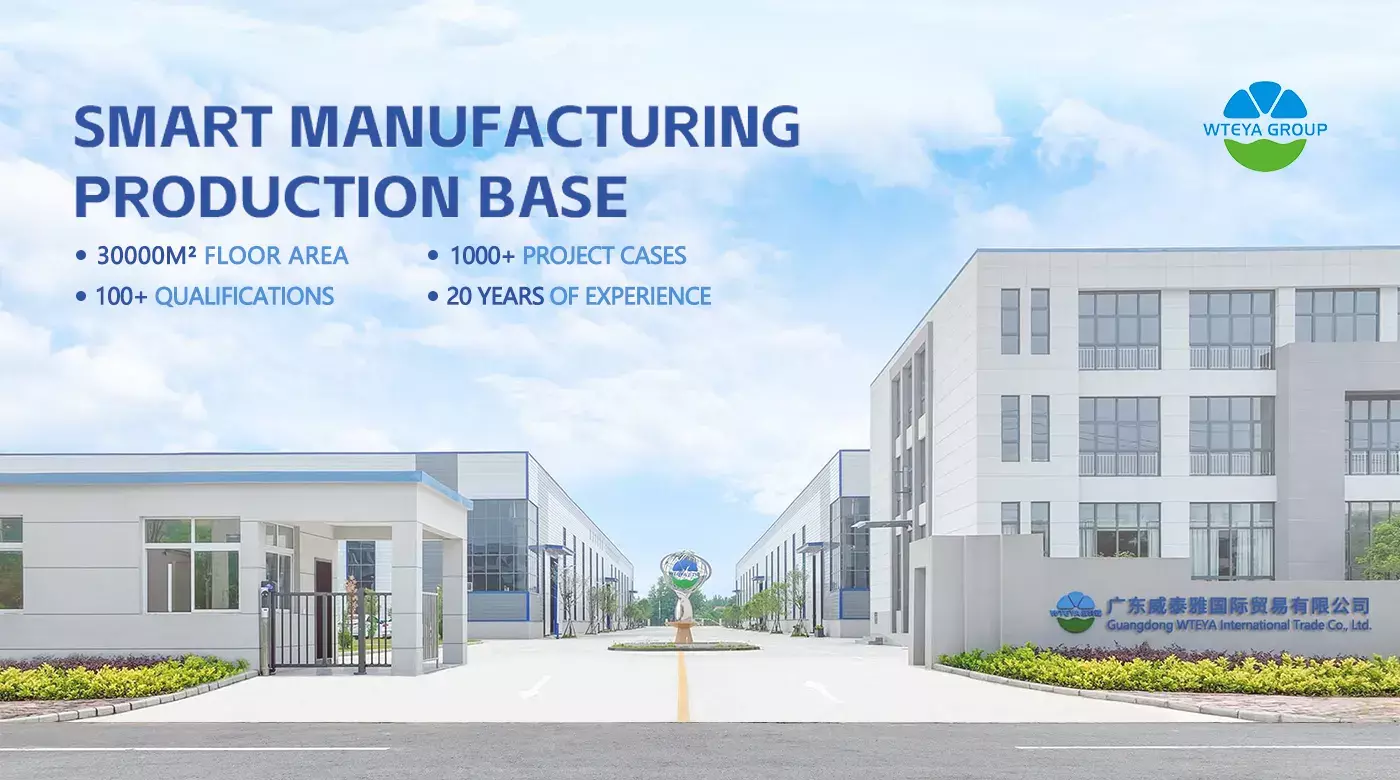
As a comprehensive wastewater treatment solution provider for the new energy lithium battery industry, WTEYA has accumulated extensive experience in lithium extraction, lithium iron phosphate production, battery recycling wastewater, and industrial zero liquid discharge projects. To address the challenges of lithium battery wastewater — high salt, high ammonia nitrogen, and heavy metals — WTEYA provides a closed-loop treatment solution based on:
Pretreatment + Membrane Separation & Concentration + MVR Evaporation Crystallization
Core Technologies and Solutions
1. Pretreatment System — Removing Treatment Barriers
Pretreatment plays a critical role in ensuring stable operation of downstream treatment systems. For characteristic pollutants such as thallium and fluoride, WTEYA develops advanced removal technologies to achieve precise purification of lithium carbonate production wastewater and process mother liquor. For wastewater containing color and COD from lithium precipitation processes, WTEYA combines advanced oxidation technology with adsorption treatment to ensure stable water quality before entering membrane systems. This improves system reliability and extends equipment service life.
2. Membrane Separation & Concentration — The Key Link for Water Reuse and Salt Separation
Membrane technology plays an essential role in lithium wastewater treatment.
By combining ultrafiltration, reverse osmosis, and specialized salt separation membranes, WTEYA can achieve:
• High-rate water recovery
• Efficient salt separation
• Stable concentration before evaporation crystallization
For low-concentration wastewater, WTEYA applies:
Membrane pre-concentration + evaporation crystallization
This process significantly reduces energy consumption compared with direct evaporation treatment.
3. MVR Evaporation Crystallization — The Final Step Toward Zero Liquid Discharge
MVR (Mechanical Vapor Recompression) evaporation crystallization technology is one of the core technologies in WTEYA’s lithium wastewater treatment solutions.
The system compresses secondary steam generated during evaporation and reuses it as a heat source. Compared with traditional multi-effect evaporation systems, MVR technology significantly reduces energy consumption.
Typical Applications:
• Lithium carbonate / lithium hydroxide production
• Concentrating lithium sulfate solutions
• Supporting lithium precipitation processes
• Purifying lithium hydroxide products through evaporation crystallization
Ternary precursor production
• Concentrating nickel sulfate, cobalt sulfate, and manganese sulfate solutions
• Recovering valuable metal salts through crystallization
Battery recycling wastewater
• Treating sodium sulfate or sodium chloride extraction solutions
• Enriching lithium resources for recovery
Advantages of WTEYA MVR Evaporation Crystallization System
| Feature | Description |
|---|---|
| Low Energy Consumption | Lower evaporation energy consumption compared with traditional systems |
| No Chemical Addition | Pure physical evaporation process without secondary pollution |
| Flexible Operation | Suitable for wastewater with different concentration levels |
| Automatic Operation | Intelligent control reduces manual operation requirements |
| Long Service Life | Reduced replacement frequency of consumable components |
| Low Maintenance Cost | Stable operation with optimized system design |
Conclusion: The Future of Lithium Wastewater Treatment Is Resource-Based
The lithium battery industry is entering a new stage of rapid development. Wastewater management can no longer rely only on traditional discharge treatment methods. Under increasing environmental pressure and resource limitations, zero liquid discharge and resource recovery have become essential strategies for sustainable lithium battery manufacturing. With nearly 20 years of experience in industrial wastewater treatment, WTEYA integrates MVR evaporation crystallization technology, membrane separation, and advanced pretreatment processes to provide complete turnkey wastewater treatment solutions for lithium battery manufacturers. From engineering design and equipment manufacturing to operation support, WTEYA helps customers achieve efficient wastewater management and resource utilization. The green future of the lithium battery industry is not only about pollution control — it is also about value creation. By recovering valuable resources from wastewater, every drop of water can achieve greater environmental and economic value.
Why Partner with WTEYA?
• Nearly 20 years of industry experience
• Trusted by global leaders including Foxconn, Huawei, Ganfeng Lithium, Ronbay Technology
• 100+ success cases worldwide
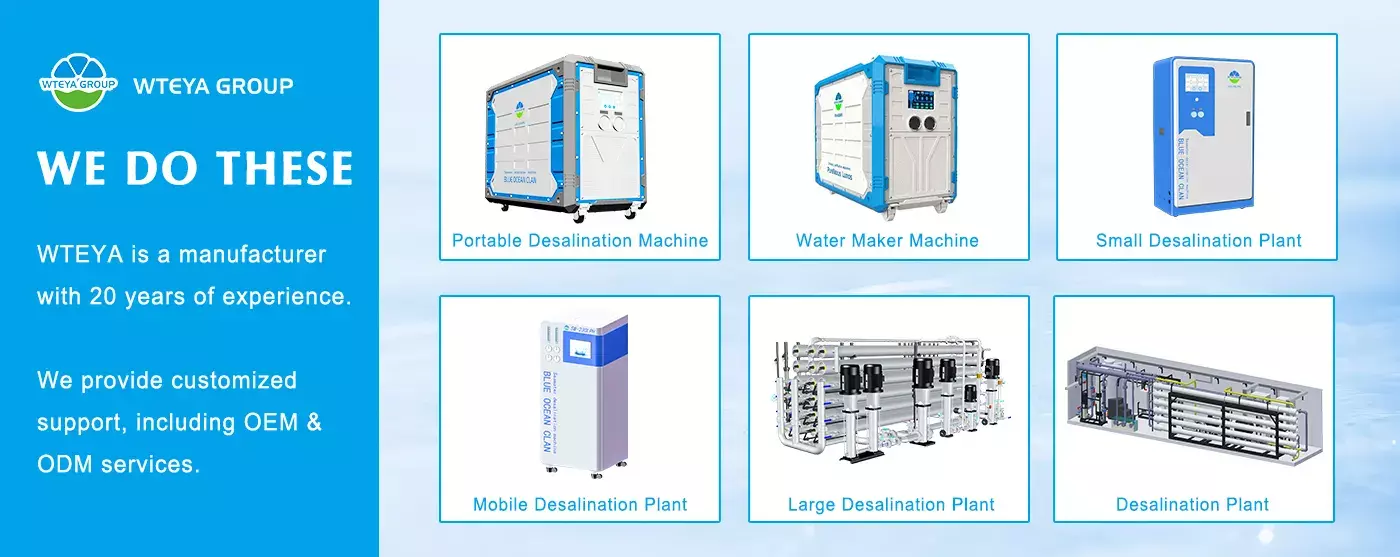
• OEM & ODM customization available
Become a WTEYA Distributor!
We are expanding global partnerships:
• Preferential policies
• Professional training
• Full technical support
Let us help you achieve exceptional water quality and operational sustainability!
📲 WhatsApp: +86-1800 2840 855
📧 Email: info@wteya.com
🌐 Website: www.wteya.com