






How Can PCB Wastewater Achieve Compliance Discharge and Harmless Treatment?
1. Industry Background and Characteristics of PCB Wastewater
During the manufacturing process of printed circuit boards (PCBs), multiple wet processes are involved, including degreasing, etching, developing, electroplating, hole metallization, and film stripping. Wastewater generated from each process contains different types and concentrations of pollutants.
Generally, PCB wastewater contains various contaminants, including heavy metal ions such as copper (typically 50–150 mg/L), nickel (20–80 mg/L), chromium (10–50 mg/L), zinc, as well as acidic and alkaline wastewater. In addition, wastewater from developing and stripping processes contains high concentrations of organic pollutants, with COD levels reaching 5,000–20,000 mg/L, along with large amounts of refractory organic compounds that are difficult to biodegrade.
If discharged without proper treatment, heavy metals can accumulate in water bodies and soil over a long period. Through the food chain, these pollutants may eventually pose risks to human health. Meanwhile, high-concentration organic wastewater can cause eutrophication in receiving waters, consume dissolved oxygen, and damage aquatic ecosystems. The challenge of PCB wastewater treatment does not only come from high pollutant concentrations, but also from the complexity and diversity of pollutant forms. Taking copper as an example, PCB wastewater may contain both free copper ions and complexed copper (such as copper complexes formed with EDTA and ammonia). These two forms require completely different treatment mechanisms. Free copper ions can usually be removed through pH adjustment and precipitation, while complexed copper requires a decomplexation process before precipitation. Without breaking the complex structure, heavy metals cannot be effectively removed to meet discharge standards.
2. Classified Pretreatment System Based on Wastewater Characteristics
Due to the complexity of PCB wastewater, the commonly adopted approach in the industry is to establish a classified wastewater pretreatment system. Based on different wastewater characteristics, PCB wastewater is generally divided into three categories:
Category 1: Heavy Metal Wastewater Containing Complexing Agents
This type of wastewater mainly comes from electroless copper plating and electroless nickel plating processes. It contains stable complexes such as:
• EDTA-Cu
• Tartrate-Cu
• Ammonia-Cu
The key technology for treating this wastewater is complex breaking (decomplexation).
Common treatment methods include:
Sodium Sulfide Precipitation Method
Sulfide ions react with copper ions to form extremely insoluble copper sulfide precipitates. The solubility product constant (Ksp) of copper sulfide is approximately:
Ksp = 6 × 10⁻³⁶
This allows copper removal even in the presence of certain complexing agents.
Fenton Oxidation Decomplexation Method
Under acidic conditions (pH 3–4), ferrous sulfate and hydrogen peroxide are added to generate highly oxidative hydroxyl radicals (·OH, oxidation potential 2.80 V).
These hydroxyl radicals break down the molecular structure of organic complexes, releasing complexed heavy metals into free ionic forms.
In practical engineering applications, Fenton oxidation is widely used due to its stable treatment performance and controllable chemical costs.
Typical operating conditions include:
• pH: approximately 3.5
• H₂O₂/Fe²⁺ molar ratio: 5:1
• Reaction time: 60–90 minutes
Category 2: High-Concentration Organic Wastewater
This wastewater mainly originates from developing and stripping processes. It contains large amounts of photosensitive materials, dry film residues, ink, and other high molecular weight organic substances.
Typical characteristics include:
• COD concentration: 5,000–20,000 mg/L
• Poor biodegradability
• BOD₅/COD ratio usually below 0.2
Due to its poor biodegradability, this wastewater cannot be directly introduced into biological treatment systems.
The commonly used pretreatment method is:
Acidification Precipitation Process
By adjusting the wastewater pH to 2–3, high molecular weight organic substances are converted from dissolved forms into suspended particles. These particles are then removed through dissolved air flotation (DAF) or sedimentation.
After acid precipitation treatment:
• COD can be reduced to approximately 1,000–2,000 mg/L
• BOD₅/COD ratio can increase to 0.3–0.4
The treated wastewater becomes suitable for subsequent biological treatment.
Category 3: General Rinsing Wastewater
This wastewater mainly comes from rinsing tanks after different production processes.
It generally contains:
• Low concentrations of free heavy metal ions
• Acid and alkaline substances
After simple pH adjustment and coagulation-sedimentation treatment, it can enter subsequent advanced treatment systems or water reuse systems.
3. Integrated PCB Wastewater Treatment Process
After classified pretreatment, different wastewater streams are collected into a comprehensive equalization tank for homogenization and flow balancing.
The main treatment process includes:
1. Coagulation and Sedimentation
Coagulants such as:
• Poly Aluminum Chloride (PAC): 50–150 mg/L
• Polyacrylamide (PAM): 2–5 mg/L
are added to promote the aggregation of suspended particles and colloids into larger flocs.
The generated flocs are separated through:
• Inclined tube sedimentation tanks
• High-efficiency sedimentation tanks
Typical design parameters:
• Surface loading rate: 0.8–1.2 m³/(m²·h)
• Sedimentation time: 2–3 hours
2. Biological Treatment
A combination of:
• Hydrolysis acidification
• Contact oxidation
is commonly applied.
Hydrolysis Acidification Stage
Large organic molecules are broken down into smaller molecules, improving biodegradability.
Contact Oxidation Stage
Microorganisms attached to biological fillers degrade organic pollutants through biological oxidation.
Typical design parameters:
• COD volumetric loading: 0.8–1.2 kg/(m³·d)
• Hydraulic retention time: 12–16 hours
3. Secondary Sedimentation Tank
The secondary sedimentation tank separates:
• Detached biological film
• Suspended solids
from the biological treatment effluent.
After these processes, the treated water quality can achieve:
• COD <100 mg/L
• Heavy metal ions <0.5 mg/L
meeting discharge requirements.
4. Water Reuse Technology Solutions
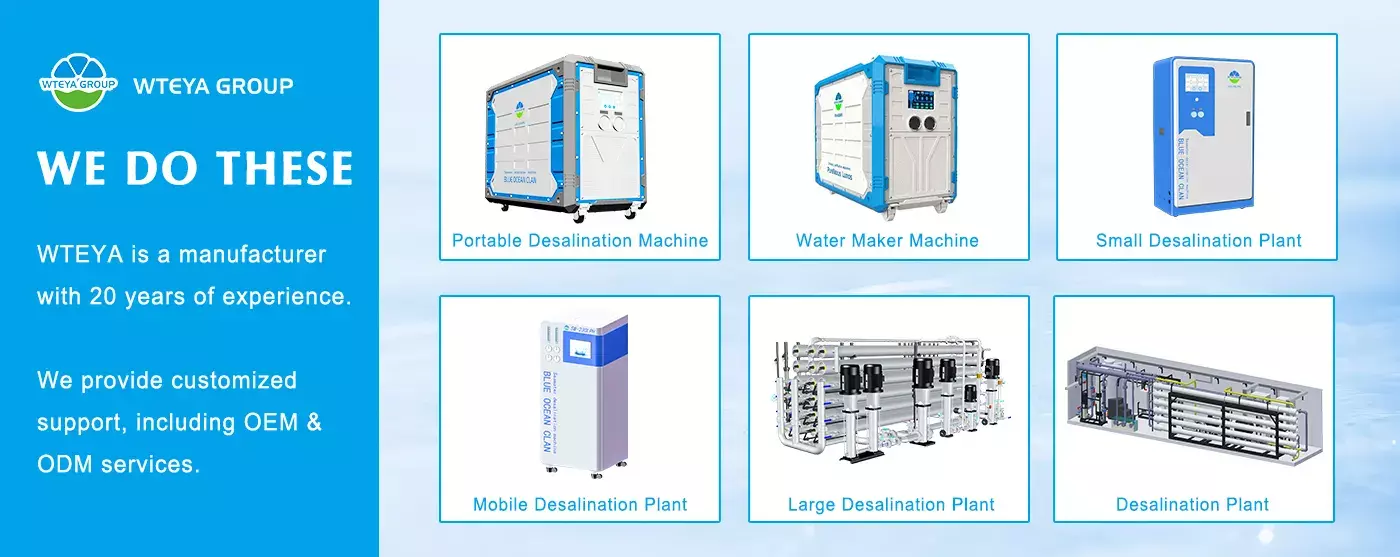
Meeting discharge standards alone is no longer sufficient to satisfy current environmental regulations and the demand for cost reduction. Water reuse has become an important strategy for PCB manufacturers to improve environmental performance and reduce freshwater consumption. The WTEYA water reuse system adopts a dual-membrane treatment process, including:
Ultrafiltration (UF)
The UF process uses membrane technology with pore sizes ranging from:
0.01–0.1 μm
It effectively removes:
• Suspended solids
• Colloidal substances
• Macromolecular organic compounds
The treated water quality can achieve:
SDI < 3
providing suitable feed water conditions for subsequent reverse osmosis treatment.
Reverse Osmosis (RO)
Reverse osmosis membranes have pore sizes smaller than:
0.001 μm
The RO system can effectively remove:
• Dissolved salts
• Heavy metal ions
• Small molecular organic compounds
The desalination rate can reach:
Above 98%
The produced water can achieve:
Electrical conductivity >10 μS/cm
The recovered water can be reused in PCB production processes, reducing dependence on external water resources and lowering wastewater discharge volume.
5. MVR Zero Liquid Discharge and Solid Waste Reduction
The RO concentrate generated from the water reuse system usually accounts for approximately:
25%–35% of the influent volume
This concentrated wastewater typically has:
• High salt content
(TDS: 5,000–15,000 mg/L)
• Elevated COD concentration
(200–500 mg/L)
Due to its high salinity and pollutant concentration, RO concentrate cannot be effectively treated through conventional biological processes and is not suitable for direct discharge. For RO concentrate and other high-concentration wastewater streams, WTEYA applies MVR (Mechanical Vapor Recompression) evaporation technology to achieve advanced treatment and resource recovery.
Working Principle of MVR Evaporation Technology
The core principle of MVR technology is based on the recycling of secondary steam energy.
During operation:
- Wastewater is heated until boiling, generating secondary steam.
- The secondary steam enters the compressor, where it undergoes adiabatic compression.
-
After compression, the steam temperature and pressure increase.
Typical temperature increase:
8–12°C
- The compressed steam is then returned to the evaporator as a heat source for continuous evaporation.
Compared with traditional multi-effect evaporators, MVR systems significantly reduce energy consumption.
The energy consumption is typically only:
1/5–1/3 of conventional multi-effect evaporation systems
The electricity consumption is approximately:
40–70 kWh per ton of evaporated water
Advantages of MVR Zero Liquid Discharge System
Through MVR evaporation, water is separated from wastewater as vapor and recovered through condensation.
The condensed water has excellent quality:
• Electrical conductivity <50 μS/cm
It can be reused for:
• Cooling tower makeup water
• Production process water
• Other industrial applications
Meanwhile, dissolved salts and heavy metals in the wastewater are concentrated and crystallized, forming solid residues.
The final solid waste has:
Moisture content <10%
These solid residues are managed according to hazardous waste regulations and transferred to qualified hazardous waste treatment companies for:
• Resource recovery
• Safe disposal
• Compliant landfill treatment
6. Complete PCB Wastewater Treatment and Zero Discharge Process
Based on the above technologies, a complete PCB wastewater treatment and zero liquid discharge system can be summarized as follows:
Raw Water → DI Water Preparation System → DI Concentrate → Rinsing Wastewater → Water Reuse System → MVR Zero Liquid Discharge System → External Solid Waste Disposal
The process includes:
DI Water Preparation System
The DI water preparation system provides high-purity water required for PCB manufacturing. The concentrated wastewater generated during DI water production enters the water reuse system for further treatment.
Classified Rinsing Wastewater Treatment
Various rinsing wastewater streams generated during production are collected and treated through classified pretreatment processes before entering the water reuse system.
Water Reuse System
The water reuse system produces recycled water that can be returned to PCB production processes.
The concentrated wastewater generated from RO treatment is transferred to the MVR evaporation system.
MVR Zero Liquid Discharge System
The MVR system evaporates and recovers water from concentrated wastewater.
The recovered condensed water can be reused, while the remaining concentrated solids are collected and handled through qualified waste disposal channels.
Conclusion:
PCB wastewater treatment is a comprehensive engineering system involving multiple disciplines, including:
• Chemical treatment
• Biological processes
• Membrane separation
• Thermal evaporation technology
From source separation and chemical decomplexation to biological degradation, water reuse, MVR evaporation, and solid waste reduction, each treatment stage plays an essential role in achieving environmental compliance and resource efficiency.
For PCB manufacturers, selecting an appropriate wastewater treatment solution requires a detailed understanding of wastewater characteristics, production processes, and discharge requirements.
By integrating advanced treatment technologies, enterprises can not only meet environmental regulations but also maximize water resource utilization, reduce wastewater discharge, and move toward sustainable and zero-liquid-discharge manufacturing.
Why Partner with WTEYA?
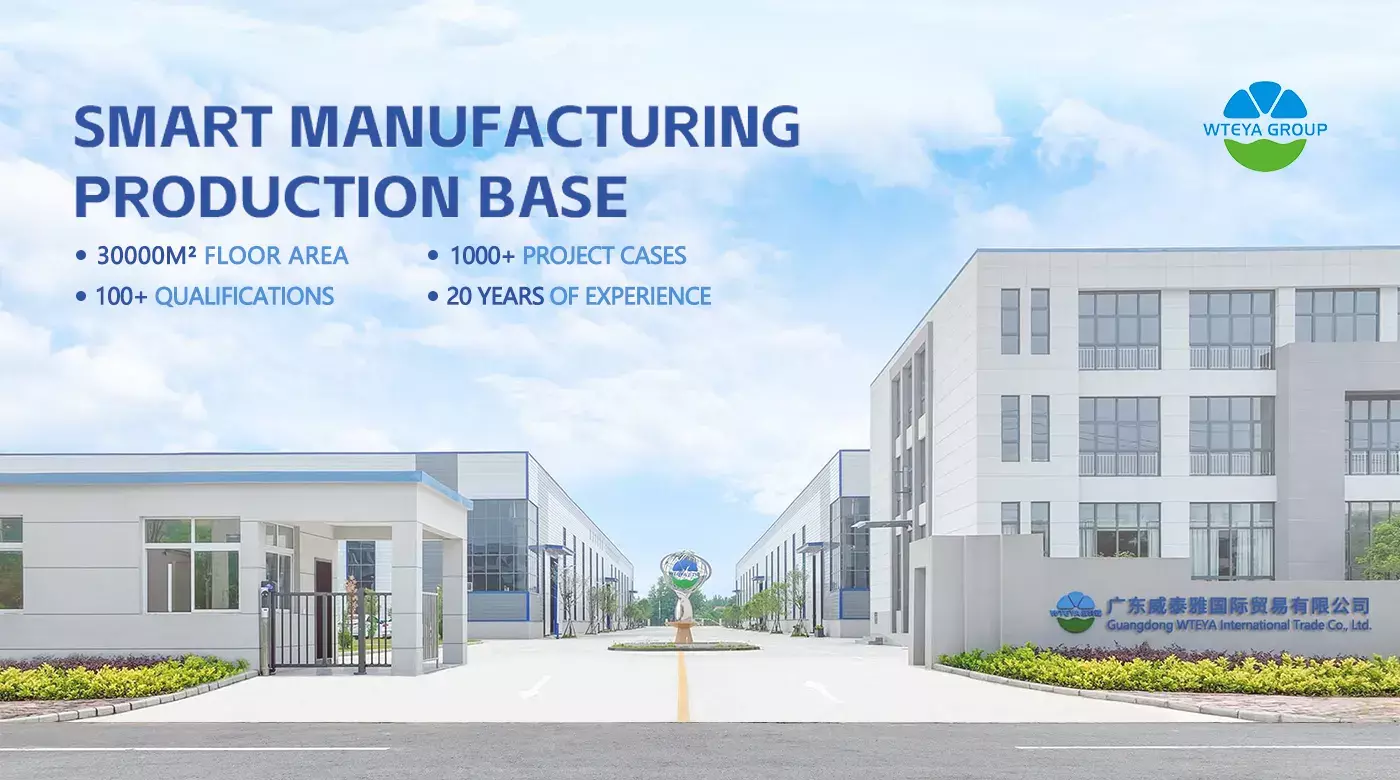
• Nearly 20 years of industry experience
• Trusted by global leaders including Foxconn, Huawei, Ganfeng Lithium, Ronbay Technology
• 100+ success cases worldwide
• OEM & ODM customization available
Become a WTEYA Distributor!
We are expanding global partnerships:
• Preferential policies
• Professional training
• Full technical support
Let us help you achieve exceptional water quality and operational sustainability!
📲 WhatsApp: +86-1800 2840 855
📧 Email: info@wteya.com
🌐 Website: www.wteya.com