







Water Reuse in Seawater Desalination Plants
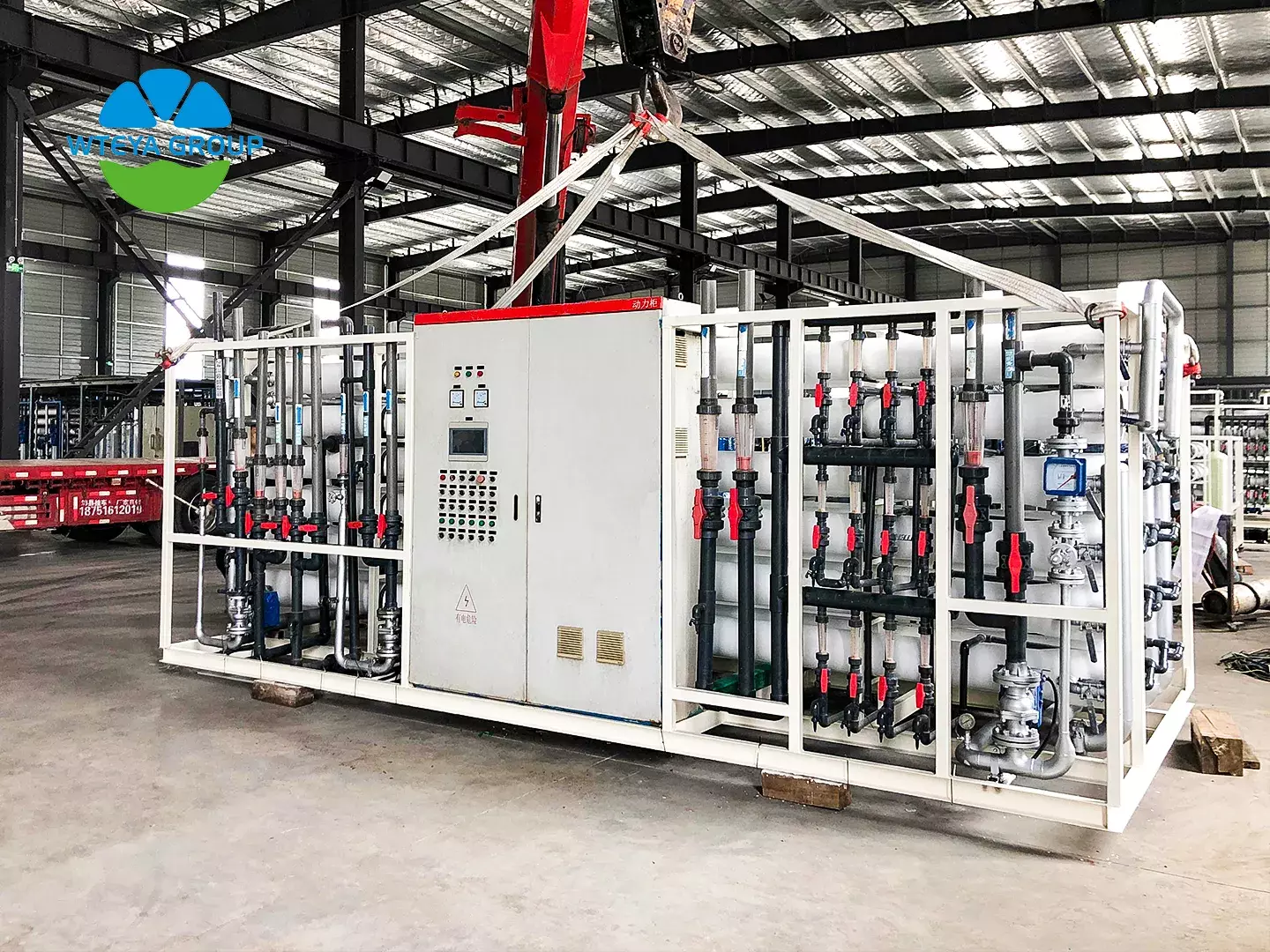
A seawater reverse osmosis plant is usually judged by a single number: its recovery rate. Behind that number sits a far less tidy water balance — backwash from the media filters, flush water from membrane start-ups, clean-in-place rinse, sample flows and, above all, the reject stream. Every one of those streams has already been pumped, filtered and dosed. Recovering the usable part of them is the cheapest capacity a seawater desalination plant can add.
This article sets out where the recoverable water sits in a seawater plant, which four streams are worth the piping, how second-pass RO and concentrate staging lift overall recovery, and where reuse quietly creates scaling and permitting problems.
🌊 The Internal Water Balance
Design figures for a single-pass seawater RO plant are well established. Recovery sits at 35% to 45% for most seawater plants and reaches 45% to 50% on large, well-pretreated systems. A 1,000 m³/day plant at 43% recovery therefore takes in roughly 2,300 m³/day of seawater and discharges about 1,300 m³/day of concentrate.
Around that main balance sit the auxiliary streams. Media filter backwash typically accounts for 5% to 8% of the feed, membrane flush and start-up water 1% to 2%, and clean-in-place rinse a further 1% to 2%. Individually they look small. Together they represent a stream larger than the daily production of many small plants.
The concentrate is the largest recoverable volume by far, and the only stream where recovery changes the headline performance of the plant rather than its housekeeping.
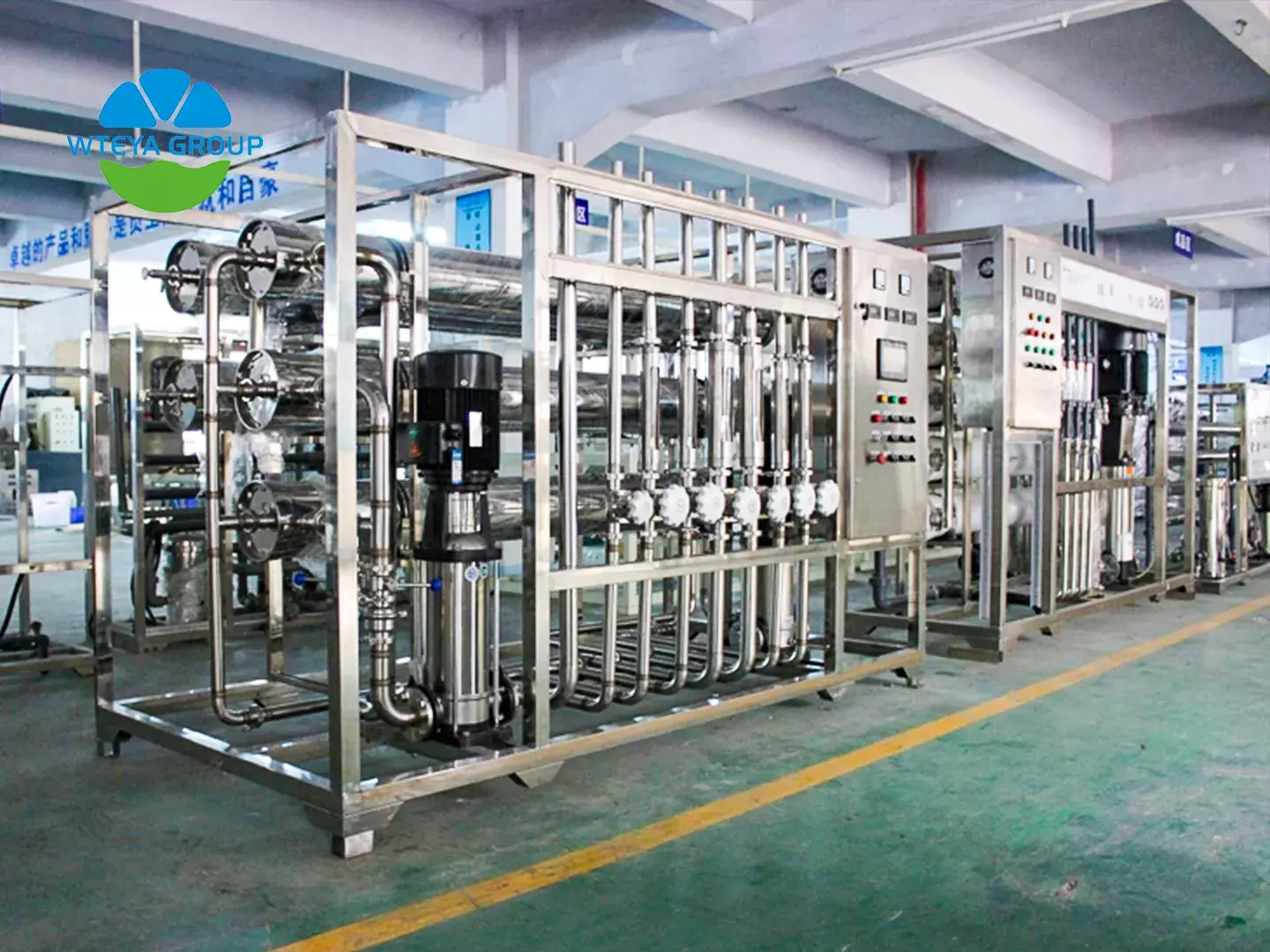
♻️ Four Streams Worth Recovering
Filter backwash. Backwash water carries the solids removed from the seawater. Settling it for two to four hours and returning the supernatant to the intake recovers 60% to 80% of the backwash volume, provided turbidity is back below 10 to 20 NTU. The settled sludge goes to the plant’s normal sludge handling, not back to the sea.
Membrane flush and start-up water. Permeate flush on shutdown protects the membranes, but the flush volume is usually sent to drain. Returning it to the feed tank, or using it as service water for filter washing, removes that loss entirely.
Clean-in-place rinse water. CIP rinse is dilute, but it is also chemical-laden. Neutralise it, check pH and residual cleaning agent, then reuse the final rinse as the first rinse of the next cleaning cycle. This cuts water and chemical consumption at the same time.
RO concentrate. The reject stream can be staged through a second RO pass, used for low-grade duties such as filter backwash or floor washing, or concentrated further before disposal. For plants that must meet a zero liquid discharge limit, the concentrate is also the feed to a MVR evaporator and crystalliser. This is the stream with real volume.
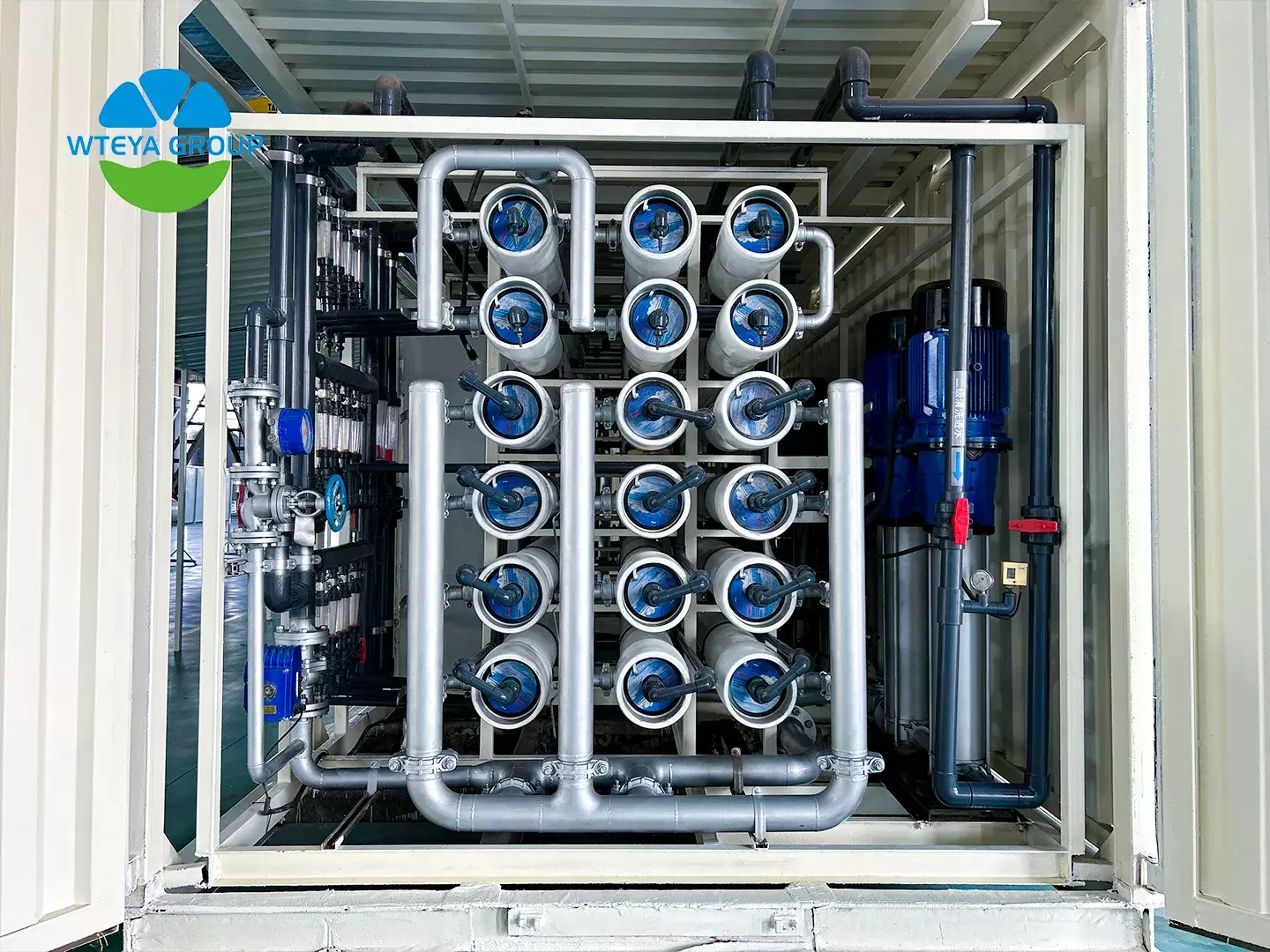
⚙️ Second-Pass RO and Concentrate Staging
Concentrate staging means passing the first-pass reject through a second membrane stage at higher pressure. A plant recovering 43% in a single pass can reach 55% to 60% overall with a staged second pass, because the second stage handles a smaller flow at a higher osmotic pressure.
The energy penalty is real. Specific energy for the second stage is higher per cubic metre than the first, and a pressure exchanger on that stage is usually justified only above a certain capacity. The gain is on the water side: 20% to 25% less intake, proportionally less pretreatment chemical, and 35% to 45% less concentrate to discharge.
Two quality limits decide how far staging can go. Boron rises in the second-pass permeate unless the pH is raised, and chloride and sodium slip through unless the second stage is designed with its own array and its own reverse osmosis system control. Where product water must stay below 500 mg/L TDS, with boron under 1 mg/L for irrigation, the second pass is a polishing step rather than a volume exercise.
Pretreatment has to keep up as well. Staging concentrates whatever the ultrafiltration and cartridge filters let through, so the recovery loop is only as stable as the filtration ahead of it.
For plants with a tight discharge permit, staging is often cheaper than a larger outfall. For plants with cheap disposal and no water constraint, it rarely pays.
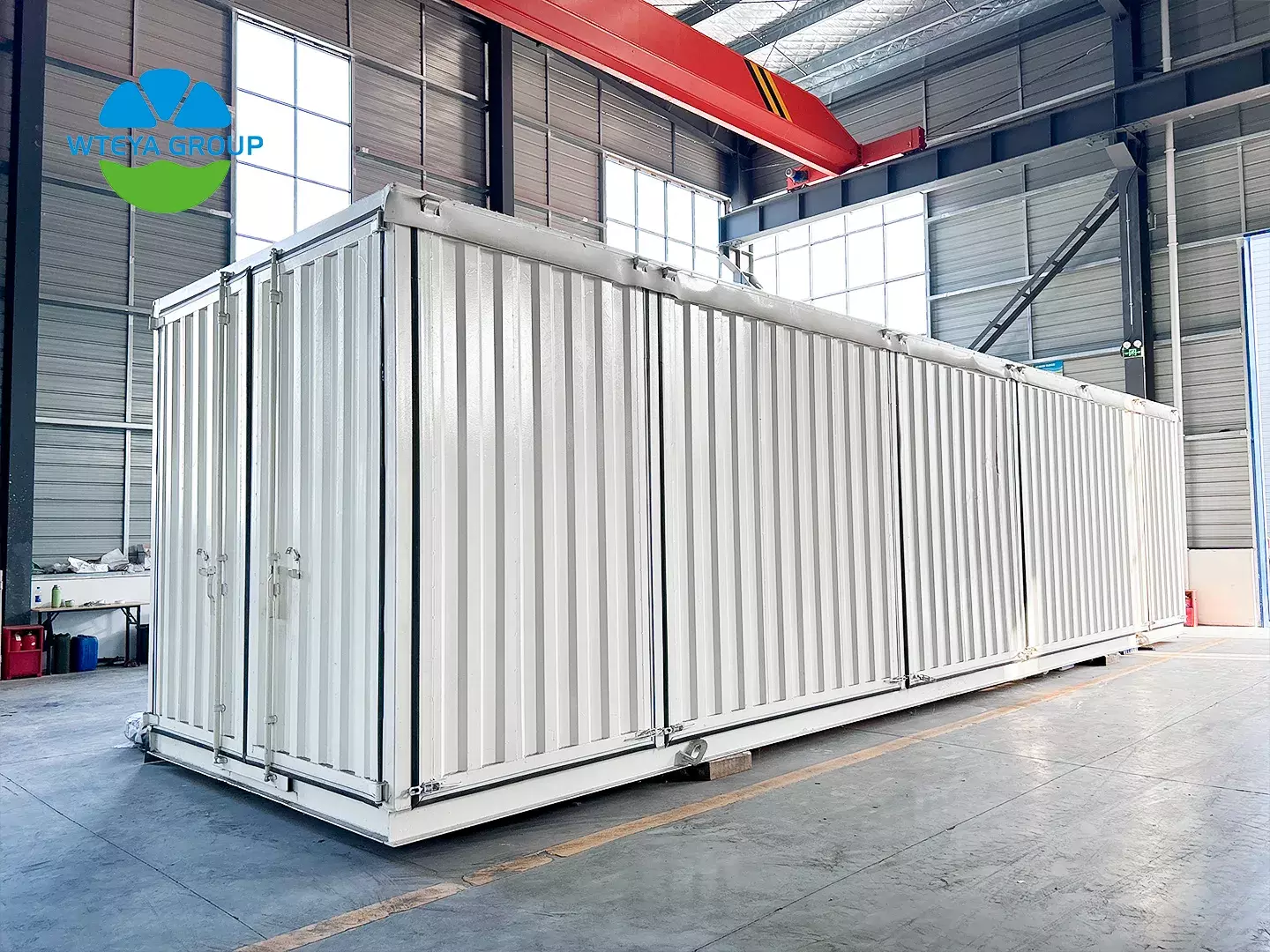
📊 What Reuse Changes in the Numbers
The table below compares a 1,000 m³/day seawater plant in single-pass operation with the same plant after concentrate staging and internal stream recovery.
| Metric | Single pass | Staging + reuse |
|---|---|---|
| Overall recovery | 43% | 56% |
| Feed intake (m³/day) | 2,300 | 1,780 |
| Product water (m³/day) | 1,000 | 1,000 |
| Concentrate to disposal (m³/day) | 1,300 | 780 |
| Backwash sent to drain | 100% | 20% to 40% |
| Specific energy (kWh/m³) | 3.2 to 3.8 | 3.4 to 4.0 |
Read the table carefully. Product output barely moves, but intake, pretreatment load and discharge volume all fall. That is where the operating cost sits: intake pumping, coagulant and antiscalant dosing, filter backwash volume, and — in many jurisdictions — a discharge fee or a volumetric permit.
Specific energy per cubic metre of product rises slightly, typically by 5% to 10% without a second-stage energy recovery device, and falls back towards the original figure when one is fitted. The economics of reuse are therefore driven by the cost of water and the cost of disposal, not by energy alone.
🧪 Where Reuse Goes Wrong
The first risk is scaling. Every step up in recovery raises the concentration of calcium sulphate, barium sulphate and silica at the membrane surface. Antiscalant dosing has to be re-optimised rather than carried over, and saturation indices — LSI for brackish streams, SDSI and silica saturation for seawater — should be checked at the new recovery and at the highest feed temperature of the year.
The second is fouling in the recovery loop. Backwash supernatant carries fine solids and residual coagulant; returned too fast, or without enough settling, it deposits on the cartridge filters ahead of the membranes. A buffer tank and a turbidity interlock cost far less than a membrane autopsy.
The third is the permit. Reuse reduces discharge volume but raises discharge concentration. Many permits limit both, and some limit the mass of salt discharged rather than the volume. Confirm that arithmetic with the regulator before the design is frozen.
The fourth is materials. Concentrate at 60 to 85 g/L TDS is aggressive. Standard 316L is a poor choice for the high-pressure section; 2205 duplex or titanium Gr2 is the usual specification, and every weld in the recovery loop should be reviewed for chloride stress corrosion.
✅ A Design Checklist
Start with a full mass balance at summer and winter feed temperatures. Recovery falls as water temperature drops, and a reuse scheme sized on summer data will spill in winter.
Decide who uses the recovered water. Internal reuse — backwash, filter washing, floor washing — needs far less treatment than potable or process reuse, and is normally the quickest payback. External reuse needs its own quality specification and its own approval.
Size storage for the mismatch between when water is recovered and when it is needed. Backwash arrives in bursts, and the recovery loop has to absorb that.
Finally, instrument the loop. Conductivity, turbidity and differential pressure across the recovery filters tell you within a day whether the scheme is behaving. Without them, the first sign of trouble is a falling recovery rate that nobody can explain.
❓ Frequently Asked Questions
How much water can a desalination plant recover internally?
Filter backwash is the largest auxiliary stream at 5% to 8% of feed, and 60% to 80% of it can be recovered after settling. Flush and clean-in-place water add another 1% to 2% each. With concentrate staging, overall plant recovery typically rises by 10 to 15 percentage points — for example from 43% to 56%.
Does recycling concentrate affect product water quality?
It can, if the second pass is not designed for it. TDS and boron both rise as recovery increases. Keep the product below 500 mg/L TDS, specify a second-pass array with its own pH control, and monitor boron if the water is used for irrigation.
Is reuse cheaper than abstracting more seawater?
It depends on what you are avoiding. Reuse cuts intake pumping, pretreatment chemicals and discharge volume, but adds pumps, membranes and instrumentation. Where discharge is expensive or permitted volume is capped, payback is usually short; where seawater is free and disposal is unregulated, a straightforward single pass is often the better investment.
Become a WTEYA authorized dealer. Exclusive territories, competitive pricing and full factory support for desalination and water reuse projects — from a single containerised plant to a complete SWRO line with concentrate staging.
Schedule a video call with our engineers to explore your options.
📲 WhatsApp: +86-1800 2840 855
📧 Email: info@wteya.com
🌐 Website: www.wteya.com
Previous: Mine Water ZLD: Evaporation and Crystallization Design
Next: No More