






How to Choose the Right Industrial Wastewater Treatment Solution for Your Factory?
Industrial wastewater management has become a critical challenge for manufacturers across various industries. With increasingly strict environmental regulations and growing concerns over water resources, factories can no longer rely on traditional wastewater treatment methods. Choosing the right industrial wastewater treatment solution is essential for reducing environmental impact, controlling operating costs, and achieving sustainable production goals.
However, selecting a suitable wastewater treatment system is not as simple as choosing standard equipment. Every factory generates wastewater with different characteristics, including pollutant concentration, salinity, chemical composition, and discharge requirements. A reliable solution must be designed based on actual production conditions, wastewater properties, and long-term operational needs. As a professional wastewater treatment solution provider, WTEYA specializes in customized industrial wastewater treatment systems. By integrating advanced technologies such as membrane separation, evaporation, crystallization, and Zero Liquid Discharge (ZLD) solutions, WTEYA helps factories overcome complex wastewater challenges and achieve efficient water management.
Why Is Choosing the Right Industrial Wastewater Treatment Solution Important?
Industrial wastewater is often more complex than municipal wastewater because it may contain:
High concentrations of organic pollutants;
• Heavy metals;
• Salts;
• Oils;
• Chemical compounds;
• Other difficult-to-treat substances.
Selecting an unsuitable treatment system can lead to several problems:
| Problem | Potential Impact |
|---|---|
| Insufficient treatment efficiency | Failure to meet environmental discharge standards |
| Excessive energy consumption | Higher long-term operating costs |
| Poor system stability | Frequent maintenance and production downtime |
| Improper wastewater management | Increased environmental risks |
A well-designed industrial wastewater treatment system should not only meet current discharge requirements but also support future production expansion and stricter environmental regulations.
What Factors Should Factories Consider Before Choosing a Wastewater Treatment System?
There is no universal wastewater treatment solution suitable for every factory. The selection process should begin with a comprehensive analysis of wastewater sources and treatment objectives.
1. Understand Your Wastewater Characteristics
The first step is identifying what pollutants are actually present in the wastewater.
Different industries generate wastewater with different characteristics:
| Industry | Common Wastewater Characteristics |
|---|---|
| Chemical manufacturing | Complex chemicals, high COD, high salinity |
| Electroplating | Heavy metals, acids, alkaline substances |
| Pharmaceutical | Organic compounds and variable compositions |
| Food processing | High organic load and suspended solids |
| New energy industry | High salt content and special chemical components |
Important parameters that should be analyzed include:
• COD and BOD concentration;
• pH level;
• Total Dissolved Solids (TDS);
• Salt concentration;
• Heavy metal content;
• Organic pollutants;
• Wastewater flow rate.
Without accurate wastewater analysis, even advanced treatment equipment may fail to achieve the expected performance.
2. Define Your Treatment Objectives
Before selecting equipment, factories need to determine what results they want to achieve. Different treatment goals require different technologies.
| Treatment Goal | Recommended Methods |
|---|---|
| Meet discharge standards | Biological treatment, chemical treatment, or membrane treatment |
| Reduce wastewater discharge volume | Concentration and evaporation technologies |
| Recover reusable water | Membrane filtration and advanced purification |
| Achieve Zero Liquid Discharge (ZLD) | Membrane separation + evaporation + crystallization system |
For companies facing strict environmental requirements, Zero Liquid Discharge (ZLD) has become an increasingly important solution. A ZLD system is designed to recover water from wastewater while minimizing or eliminating liquid waste discharge.
3. Evaluate Different Treatment Technologies
Modern industrial wastewater treatment usually combines multiple technologies rather than relying on a single process.
Membrane Treatment Technology
Membrane technologies such as:
• Reverse Osmosis (RO);
• Ultrafiltration (UF);
• Nanofiltration (NF);
are widely used for water purification and concentration.
Advantages include:
• High separation efficiency;
• Reduced water consumption;
• Suitable for water reuse applications.
However, for high-concentration wastewater, membrane systems alone may not be sufficient because they generate concentrated wastewater that requires further treatment.
Evaporation and Crystallization Technology
For high-salt wastewater and Zero Liquid Discharge projects, evaporation technology plays an important role. Systems such as MVR evaporators (Mechanical Vapor Recompression evaporators) can concentrate wastewater and recover valuable water resources.
Compared with traditional evaporation methods, MVR technology provides:
• Lower energy consumption;
• Higher thermal efficiency;
• More stable operation;
• Reduced operating costs.
This makes MVR evaporators a preferred choice for many industrial wastewater treatment applications.
4. Consider Operating Costs, Not Just Initial Investment
Many factories focus only on equipment purchase costs. However, wastewater treatment systems often operate for many years, and long-term operating expenses usually have a greater impact on total project costs.
Key operating factors include:
| Cost Factor | Why It Matters |
|---|---|
| Energy consumption | Directly affects long-term operating expenses |
| Maintenance frequency | Influences production stability |
| Chemical usage | Impacts daily operating costs |
| Equipment lifespan | Determines overall investment value |
A slightly higher initial investment in an efficient system can significantly reduce total lifecycle costs.
5. Choose a Customized Solution Instead of a Standard System
Industrial wastewater varies greatly between factories. A solution designed for one application may not perform effectively for another.
A professional wastewater treatment provider should consider:
• Factory production processes;
• Wastewater volume;
• Pollutant characteristics;
• Available installation space;
• Future expansion plans;
• Environmental requirements.
Based on detailed wastewater analysis and project requirements, WTEYA provides customized industrial wastewater treatment solutions.
By integrating different technologies, including:
• Pretreatment systems;
• Membrane systems;
• MVR evaporation;
• Crystallization technology;
WTEYA helps factories achieve wastewater reduction, water recovery, and efficient resource utilization.
How Does WTEYA Help Factories Build Reliable Wastewater Treatment Systems?
Choosing the right wastewater treatment solution requires engineering experience and technical expertise.
WTEYA provides:
Customized Engineering Design
Every wastewater treatment project is designed according to actual wastewater conditions instead of applying a one-size-fits-all approach.
Advanced Treatment Technologies
WTEYA applies modern technologies including:
• Membrane separation systems;
• MVR evaporators;
• Industrial wastewater concentration systems;
• Zero Liquid Discharge solutions.
Long-Term Operational Reliability
The goal is not only to install equipment but also to ensure stable operation, high efficiency, and sustainable wastewater management.
Frequently Asked Questions About Choosing Industrial Wastewater Treatment Solutions
1. What is the most important factor when selecting an industrial wastewater treatment system?
The most important factor is wastewater characteristics. Parameters such as pollutant concentration, salinity, flow rate, and discharge requirements determine which treatment technologies are suitable.
2. Can one wastewater treatment system work for all industries?
No. Different industries produce different wastewater compositions. Customized treatment solutions are usually required to achieve stable performance and meet environmental standards.
3. When should factories consider a Zero Liquid Discharge (ZLD) system?
Factories should consider ZLD systems when wastewater regulations are strict, water reuse is required, or wastewater contains high salt concentrations that are difficult to treat through conventional methods.
4. Why are MVR evaporators commonly used in industrial wastewater treatment?
MVR evaporators recycle secondary steam as a heat source, allowing efficient wastewater concentration while reducing energy consumption. They are especially suitable for high-salt wastewater and ZLD applications.
5. How can factories reduce wastewater treatment operating costs?
Factories can reduce costs by selecting energy-efficient equipment, optimizing treatment processes, recycling water resources, and choosing technologies suitable for their specific wastewater conditions.
6. How long do industrial wastewater treatment systems usually operate?
The service life depends on equipment quality, wastewater characteristics, maintenance practices, and operating conditions. A properly designed system can operate reliably for many years.
Conclusion:
Choosing the right industrial wastewater treatment solution is not simply about selecting equipment. Factories need to evaluate wastewater characteristics, treatment objectives, operating costs, and future environmental requirements. A properly designed wastewater treatment system can help companies reduce wastewater discharge, recover valuable water resources, lower operating costs, and achieve sustainable production goals. Through customized engineering solutions and advanced treatment technologies, WTEYA helps industrial companies overcome complex wastewater challenges and move toward more efficient, environmentally responsible operations.
Why Partner with WTEYA?
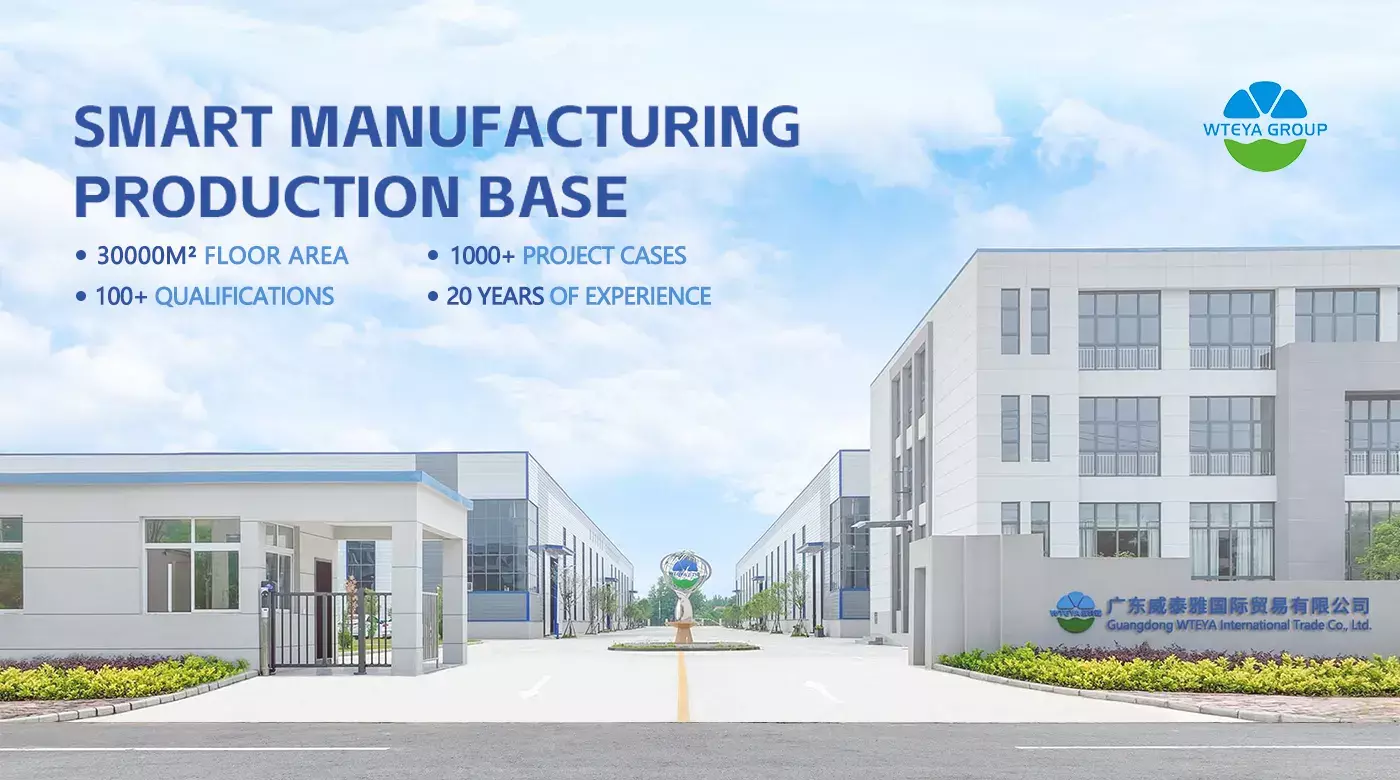
• Nearly 20 years of industry experience
• Trusted by global leaders including Foxconn, Huawei, Ganfeng Lithium, Ronbay Technology
• 100+ success cases worldwide
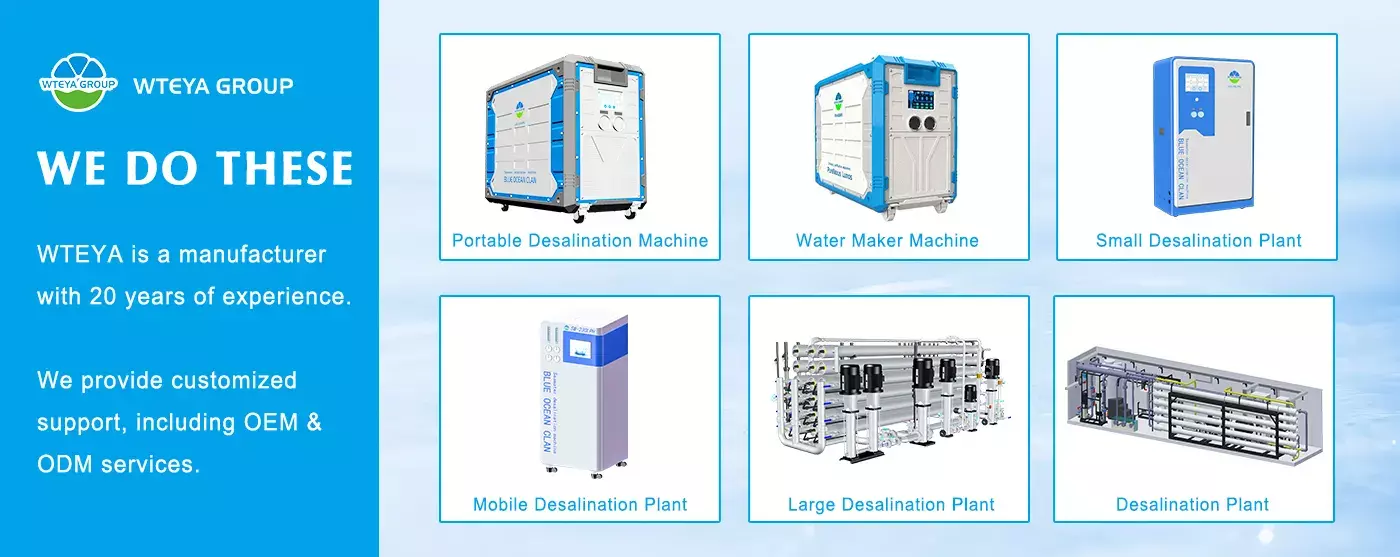
• OEM & ODM customization available
Become a WTEYA Distributor!
We are expanding global partnerships:
• Preferential policies
• Professional training
• Full technical support
Let us help you achieve exceptional water quality and operational sustainability!
📲 WhatsApp: +86-1800 2840 855
📧 Email: info@wteya.com
🌐 Website: www.wteya.com