






Are You Ignoring the Hidden Risks Behind Electroplating Wastewater?
For many manufacturing companies, electroplating is an essential process used to improve product performance, enhance corrosion resistance, and achieve better surface quality. However, while electroplating adds value to metal products, it also creates a major environmental challenge that is often overlooked — electroplating wastewater treatment. Many companies focus more on increasing production capacity, upgrading equipment, and meeting delivery schedules, while wastewater management is often considered only an environmental department responsibility. In reality, electroplating wastewater is far more complex than ordinary industrial wastewater. It contains heavy metal ions, chemical additives, and various difficult-to-treat pollutants. If not properly treated, electroplating wastewater can lead to environmental compliance issues, regulatory penalties, production interruptions, customer loss, and long-term business risks. For electroplating manufacturers, wastewater treatment is not simply an additional operating cost but a necessary investment to ensure stable and sustainable business development.
As a professional industrial wastewater treatment solution provider, WTEYA provides customized electroplating wastewater treatment solutions based on the specific characteristics of different electroplating processes. By effectively removing heavy metal pollutants and ensuring stable compliance with discharge standards, WTEYA helps companies reduce environmental risks and improve long-term operational reliability.
Why Does Electroplating Wastewater Become a Hidden Environmental Risk for Manufacturers?
During the electroplating process, manufacturers use various metal salts, plating solutions, and chemical agents. Processes such as chrome plating, nickel plating, copper plating, and zinc plating generate different types of wastewater.
Common sources of electroplating wastewater include:
• Waste liquid generated from electroplating bath replacement;
• Rinsing wastewater from cleaning plated products;
• Contaminated water produced during equipment maintenance;
• Residual chemicals from production processes.
This wastewater usually contains heavy metals such as:
• Chromium;
• Nickel;
• Copper;
• Zinc.
It may also contain:
• Acid and alkaline substances;
• Complexing agents;
• Organic additives;
• Other chemical pollutants.
Compared with conventional industrial wastewater, electroplating wastewater has several challenging characteristics, including high pollutant concentration, complex compositions, and poor biodegradability. Heavy metal contamination is particularly concerning because heavy metals can persist in the environment and accumulate over time. Therefore, environmental regulations in many countries have established strict requirements for electroplating wastewater discharge. Without a reliable heavy metal wastewater treatment system, companies may face serious environmental compliance risks.
What Problems Can Improper Electroplating Wastewater Treatment Cause?
Many manufacturers believe that wastewater treatment is sufficient as long as the equipment is operating. However, an unstable wastewater treatment system can create greater risks and costs.
1. Environmental Compliance Risks
The most direct consequence is the risk of regulatory penalties.
With increasingly strict environmental regulations worldwide, the electroplating industry has become one of the key sectors under environmental supervision. If wastewater testing results fail to meet required standards, companies may face:
• Heavy fines;
• Mandatory corrective actions;
• Additional compliance costs.
2. Production Disruptions
In severe cases, wastewater violations may lead to production suspension.
For manufacturing companies with strict delivery schedules, unexpected shutdowns can affect:
• Order fulfillment;
• Customer relationships;
• Business reputation.
3. Impact on Long-Term Competitiveness
Environmental performance has become an important factor when global customers select suppliers.
Many international buyers evaluate suppliers based on:
• Environmental management systems;
• Sustainable manufacturing capabilities;
• Waste treatment performance.
Companies without reliable wastewater treatment capabilities may lose valuable business opportunities. Therefore, electroplating wastewater management is no longer only an environmental requirement — it has become an important factor affecting business growth.
Why Is Electroplating Wastewater Treatment So Challenging?
The difficulty of electroplating wastewater treatment is not only removing pollutants but also designing the right treatment process for different contamination characteristics.
Heavy Metal Removal Is the Core Challenge
Heavy metals such as chromium, nickel, and copper usually exist in dissolved forms, which cannot be removed through simple filtration.
Chemical treatment methods are often required to convert dissolved metals into insoluble compounds that can be separated.
For example:
• Chromium-containing wastewater often requires reduction treatment to convert toxic hexavalent chromium (Cr6+) into trivalent chromium (Cr3+), followed by precipitation and separation.
• Nickel and copper wastewater require customized chemical treatment conditions depending on concentration levels and wastewater characteristics.
Complexing Agents Increase Treatment Difficulty
Electroplating processes often use complexing agents that bind with metal ions and create stable chemical structures. These compounds can reduce the effectiveness of traditional precipitation methods, making advanced treatment strategies necessary.
Different Processes Generate Different Wastewater Characteristics
Different electroplating operations create wastewater with different pollutant profiles.
| Wastewater Type | Main Pollutants | Treatment Challenges |
|---|---|---|
| Chrome plating wastewater | Hexavalent chromium | Requires reduction treatment before removal |
| Nickel plating wastewater | Nickel ions, complexing agents | Higher removal difficulty |
| Copper plating wastewater | Copper ions, organic additives | May affect subsequent treatment processes |
| Mixed electroplating wastewater | Multiple heavy metals | Requires complex process design |
Therefore, an effective electroplating wastewater treatment system must be customized according to actual production processes instead of applying a standard solution.
How Does WTEYA Solve Electroplating Wastewater Treatment Challenges?
For complex electroplating wastewater characteristics, WTEYA does not rely on a single treatment method. Instead, the company develops customized wastewater treatment solutions based on:
• Production processes;
• Wastewater composition;
• Pollutant concentration;
• Environmental discharge requirements.
During the system design stage, WTEYA first analyzes wastewater characteristics, including pollutant types, concentration fluctuations, and treatment targets, to determine the most suitable process approach.
Optimized Pretreatment Process
During pretreatment, WTEYA adjusts wastewater conditions to improve treatment efficiency and reduce the operational pressure on downstream systems.
Effective Heavy Metal Removal
For common electroplating pollutants such as chromium, nickel, copper, and zinc, WTEYA applies optimized chemical precipitation technology.
By accurately controlling:
• Chemical dosage;
• Reaction conditions;
• Separation processes,
heavy metals can be converted into stable precipitates and effectively removed through solid-liquid separation.
Compared with traditional treatment methods, optimized process design can:
• Improve pollutant removal efficiency;
• Reduce chemical consumption;
• Lower sludge generation;
• Improve system stability.
For companies with higher environmental standards or water reuse requirements, WTEYA can also integrate advanced technologies such as membrane treatment and deep purification processes to achieve higher treatment performance.
Why Is a Professional Electroplating Wastewater Treatment Solution Important?
Electroplating wastewater treatment is not simply a matter of purchasing equipment.
A truly reliable system requires comprehensive consideration of:
• Wastewater analysis;
• Process design;
• Equipment selection;
• Long-term operation optimization.
Without proper engineering design, wastewater treatment systems may experience:
• Unstable discharge quality;
• Excessive chemical consumption;
• Frequent maintenance requirements;
• Increased operating costs.
Therefore, selecting an experienced industrial wastewater treatment provider is essential for long-term success. With extensive experience in industrial wastewater treatment, WTEYA provides customized solutions for different manufacturing industries, helping companies establish stable, efficient, and sustainable wastewater management systems.
How Can Electroplating Wastewater Treatment Become a Competitive Advantage?
In the past, companies often viewed wastewater treatment as an environmental burden. Today, with the development of green manufacturing, more manufacturers recognize that wastewater management capability can also become a competitive advantage.
A reliable electroplating wastewater treatment system can help companies:
• Maintain environmental compliance;
• Reduce production interruption risks;
• Lower long-term operating costs;
• Improve sustainability performance;
• Strengthen customer trust.
Especially within global supply chains, environmental responsibility has become an increasingly important factor in supplier evaluation. Through professional wastewater treatment solutions, manufacturers can transform environmental challenges into opportunities for sustainable growth.
Conclusion:
Electroplating wastewater may remain hidden behind the production process, but the environmental and operational risks it creates should not be underestimated. Due to its high heavy metal content, complex chemical composition, and changing wastewater characteristics, electroplating wastewater treatment requires professional technology and customized engineering solutions. Ignoring wastewater management can expose companies to significant financial and operational risks. On the other hand, investing in a reliable wastewater treatment system allows manufacturers to achieve compliance, improve production stability, and support sustainable development.
With advanced industrial wastewater treatment technologies and extensive project experience, WTEYA provides professional electroplating wastewater treatment solutions to help manufacturers control pollution risks, meet environmental requirements, and achieve sustainable production.
Why Partner with WTEYA?
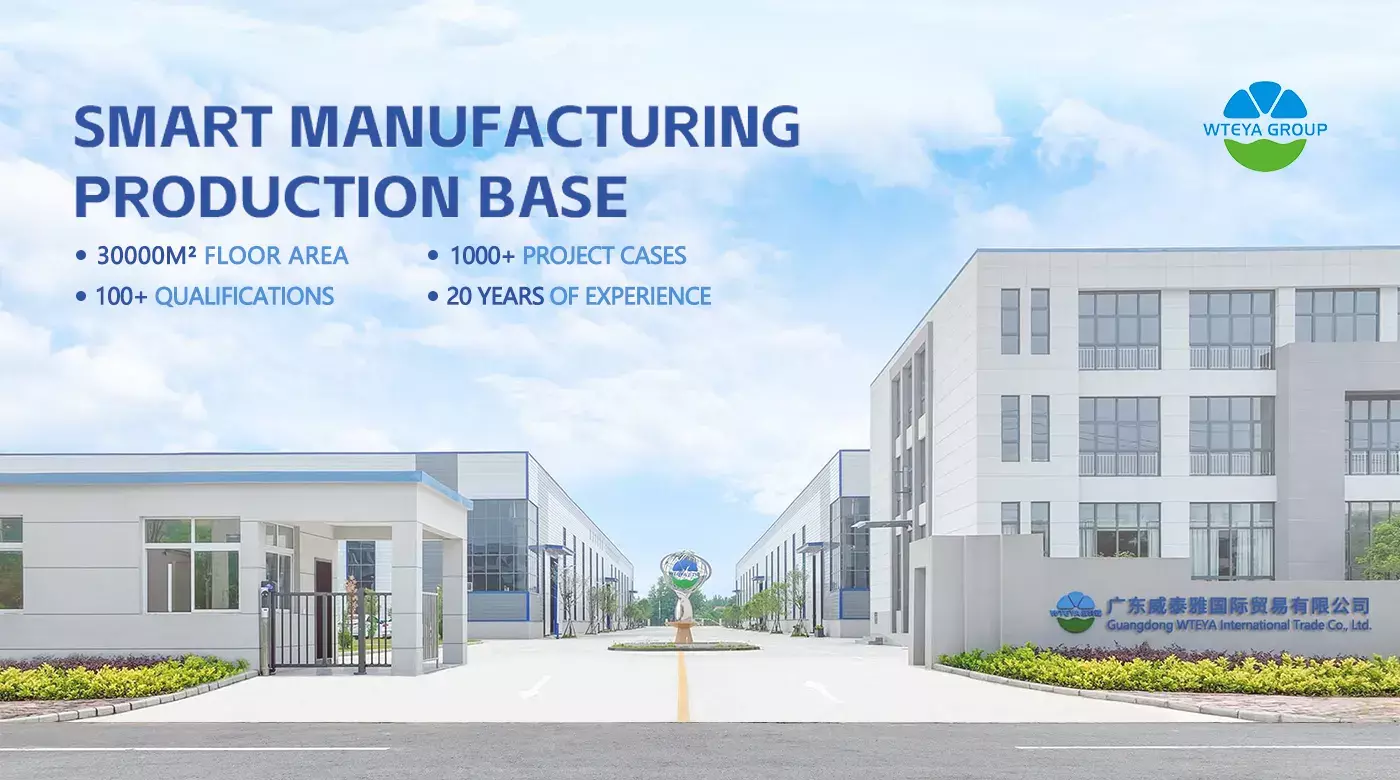
• Nearly 20 years of industry experience
• Trusted by global leaders including Foxconn, Huawei, Ganfeng Lithium, Ronbay Technology
• 100+ success cases worldwide
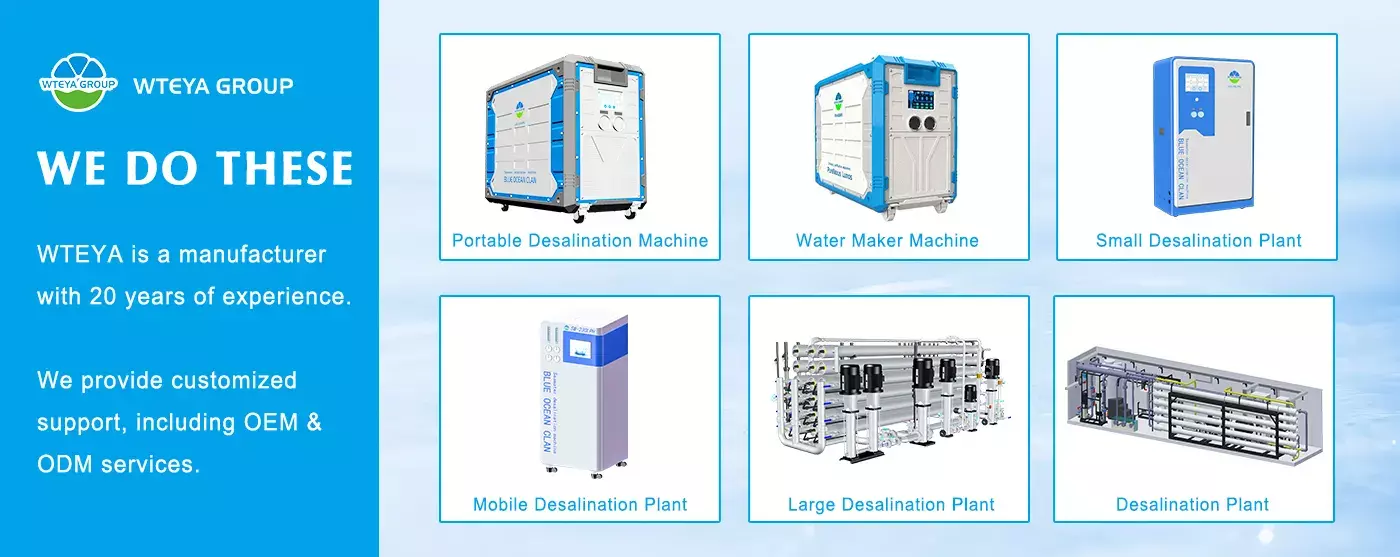
• OEM & ODM customization available
Become a WTEYA Distributor!
We are expanding global partnerships:
• Preferential policies
• Professional training
• Full technical support
Let us help you achieve exceptional water quality and operational sustainability!
📲 WhatsApp: +86-1800 2840 855
📧 Email: info@wteya.com
🌐 Website: www.wteya.com