







How to Achieve Zero Liquid Discharge in Industrial Wastewater Treatment: Veolia's Process and Industry Applications
As environmental regulations become increasingly stringent and businesses seek to reduce operating costs while improving efficiency, industrial wastewater zero liquid discharge (ZLD) has become an important solution for treating high-salinity and high-concentration wastewater. For industries such as new energy, electroplating, and coal chemical processing, conventional wastewater discharge methods may no longer meet increasingly demanding environmental and water resource management requirements. As a result, ZLD is becoming an essential consideration for many industrial facilities.
Veolia Water Technologies has developed an integrated treatment approach for industrial zero liquid discharge, built around pretreatment, membrane concentration, and evaporation crystallization. By recovering water, concentrating pollutants, and crystallizing salts, the system aims to eliminate liquid wastewater discharge from industrial facilities.
What Is Zero Liquid Discharge (ZLD)?
Zero Liquid Discharge (ZLD) is a wastewater treatment approach that combines physical, chemical, and membrane separation technologies to recover water from industrial wastewater while concentrating pollutants into solid residues or highly concentrated streams. The ultimate goal is to prevent liquid wastewater from being discharged outside the facility.
The core objectives of ZLD extend beyond wastewater treatment and include three key benefits:
-
Water reuse: Recovered water can be reused in production processes or auxiliary operations, reducing freshwater consumption.
-
Pollutant solidification: Salts, heavy metals, and other contaminants are concentrated or crystallized into solids for off-site disposal or potential resource recovery.
-
Elimination of liquid discharge: The system is designed to avoid liquid wastewater discharge, helping reduce environmental risks and support regulatory compliance.
Veolia's Core Zero Liquid Discharge Process
Veolia's zero liquid discharge systems generally adopt an integrated process consisting of pretreatment, membrane concentration, and evaporation crystallization. The specific configuration is customized according to wastewater characteristics, salt composition, and water reuse requirements.
1. Pretreatment: Preparing Wastewater for Stable Membrane Operation
The pretreatment stage primarily uses methods such as chemical precipitation, filtration, and softening to remove suspended solids, heavy metals, hardness ions, and certain organic compounds from the wastewater.
The main functions of pretreatment include:
-
Reducing the risk of membrane fouling and scaling in downstream systems.
-
Improving overall system stability and operational reliability.
-
Creating suitable conditions for membrane concentration and evaporation crystallization.
Effective pretreatment is essential for protecting downstream equipment and maintaining consistent treatment performance.
2. Membrane Concentration: Reducing Wastewater Volume and Recovering Water
After pretreatment, the wastewater enters the membrane concentration stage. Technologies such as reverse osmosis (RO) are used to separate water from dissolved salts and other retained constituents, depending on the wastewater characteristics and membrane configuration.
During this process:
-
A substantial portion of the water is separated and can potentially be reused in industrial production.
-
The volume of concentrated wastewater is reduced before it enters the evaporation system.
-
The load on downstream evaporation equipment is reduced, helping optimize overall energy consumption and operating costs.
Membrane concentration can be understood as a process that recovers usable water first while retaining much of the dissolved salt in the concentrate. This reduces the amount of wastewater requiring energy-intensive evaporation and crystallization.
3. Evaporation and Crystallization: The Key to Achieving Zero Liquid Discharge
Evaporation and crystallization are critical stages in a ZLD system. Veolia may use mechanical vapor recompression (MVR) evaporators and other suitable evaporation technologies to further concentrate the wastewater.
During this stage:
-
Water is evaporated and subsequently condensed, producing condensate that may be reused after appropriate quality assessment or treatment.
-
Dissolved salts become increasingly concentrated and may eventually crystallize into solid form.
-
The resulting solid residues can be transported for appropriate disposal or evaluated for potential resource recovery.
Through this process, water and concentrated salts are managed separately, allowing the system to operate without routine liquid wastewater discharge when the complete treatment configuration is properly designed and operated.
Key Technical Advantages of Veolia's Zero Liquid Discharge Solutions
1. Energy Efficiency and Lower Operating Costs
MVR evaporation technology recovers the latent heat of secondary vapor and reuses it in the evaporation process. Compared with conventional evaporation methods, this can significantly reduce energy consumption. Under suitable operating conditions, energy savings may reach approximately 60%, depending on the system configuration and comparison baseline. For industrial facilities that operate wastewater treatment systems continuously, improved energy efficiency can help reduce treatment costs per ton of wastewater and improve long-term operating economics.
2. Intelligent Control for Stable and Convenient Operation
The system can be equipped with an automated control system to support integrated start-up and shutdown, automatic parameter adjustment, and reduced on-site operator intervention.
By continuously monitoring key operating parameters and adjusting system conditions as needed, automated control can improve operational consistency, simplify routine management, and help maintain stable system performance.
3. Water Recovery and Resource Utilization
Veolia's zero liquid discharge solutions focus not only on wastewater treatment but also on water recovery and potential resource utilization.
Depending on wastewater characteristics and process configuration, water recovery rates may exceed 95%. In suitable applications, salts and other recoverable substances may also be separated for potential reuse as industrial raw materials.
For some industries, this approach can turn wastewater management from a purely environmental expense into an opportunity to improve resource efficiency. However, the feasibility of salt recovery depends on salt purity, contaminant content, market demand, and applicable regulations.
Major Industrial Applications of Zero Liquid Discharge
Veolia's zero liquid discharge solutions are intended for industrial applications that generate high-salinity, high-concentration, or otherwise difficult-to-treat wastewater. Major application areas include the following.
New Energy and Electronics Industries
Typical wastewater streams include:
-
Wastewater generated during lithium battery cathode material production.
-
Fluoride-containing wastewater from photovoltaic cell manufacturing.
-
Other high-salinity wastewater generated by electronic materials production.
These wastewater streams may contain high concentrations of dissolved salts, specific inorganic contaminants, and process-related pollutants. Appropriate pretreatment and concentration processes are essential to support water recovery and manage the remaining concentrate.
Surface Treatment Industry
Typical applications include:
-
Electroplating wastewater.
-
Printed circuit board (PCB) manufacturing wastewater.
These wastewater streams may contain heavy metals, dissolved salts, and other process chemicals. A properly designed ZLD system can support water reuse while concentrating contaminants for appropriate downstream management.
Traditional Industrial Sectors
Other potential applications include:
-
Coal chemical wastewater.
-
Mine water.
-
Landfill leachate.
The composition of wastewater varies considerably across these industries. Therefore, system design should consider actual water quality, salt composition, water reuse targets, and the available options for concentrate and solid residue management.
The Value and Significance of Zero Liquid Discharge
For industrial enterprises, zero liquid discharge is more than a method of meeting environmental requirements. It can also improve water resource utilization, reduce the risks associated with wastewater discharge, and support more sustainable manufacturing practices.
Through integrated treatment processes and MVR evaporation technology, Veolia's zero liquid discharge solutions aim to help industrial customers achieve the following objectives in high-salinity and high-concentration wastewater applications:
-
Comprehensive treatment of wastewater streams within the defined system boundary.
• Recovery and reuse of suitable water streams.
-
Salt crystallization and potential resource recovery.
-
Elimination of routine liquid wastewater discharge when the system is properly designed and operated.
As environmental standards continue to evolve, zero liquid discharge is becoming an increasingly important consideration for industries facing stringent wastewater management requirements.
Veolia continues to focus on industrial wastewater treatment and resource recovery, providing integrated zero liquid discharge solutions designed to support reliable operation, energy efficiency, and sustainable water management.
Conclusion:
If your facility is facing challenges in treating high-salinity or high-concentration industrial wastewater, or if you want to evaluate the process configuration and operating costs of a zero liquid discharge system, contact the Veolia team to discuss your wastewater characteristics, treatment requirements, and potential engineering solutions. A properly designed ZLD system can help your business improve water recovery, manage concentrated pollutants, and develop a more sustainable approach to industrial wastewater treatment.
Frequently Asked Questions (FAQ)
Q1: Are zero liquid discharge and zero discharge the same thing?
Not exactly. Zero discharge is a broader concept that may encompass wastewater, air emissions, and solid waste, depending on how the term is defined. Zero Liquid Discharge (ZLD) specifically focuses on preventing liquid wastewater from being discharged outside the facility.
Q2: Is a zero liquid discharge system expensive to operate?
Operating costs depend on wastewater composition, salinity, treatment capacity, water recovery targets, and the selected process configuration. MVR evaporation can reduce energy consumption by recovering and reusing the latent heat of secondary vapor. However, the overall economics should be evaluated based on the specific project conditions.
Q3: Which industries are suitable for zero liquid discharge?
ZLD is particularly relevant to industries that generate high-salinity, high-concentration, or difficult-to-treat wastewater. Examples include new energy manufacturing, electroplating, PCB production, coal chemical processing, and landfill leachate treatment.
Q4: How much water can Veolia's zero liquid discharge system recover?
Depending on wastewater characteristics and system configuration, water recovery rates may exceed 95%. The achievable recovery rate should be determined through wastewater analysis and process evaluation, taking into account water quality requirements, concentrate management, and operating conditions.
Why Partner with WTEYA?
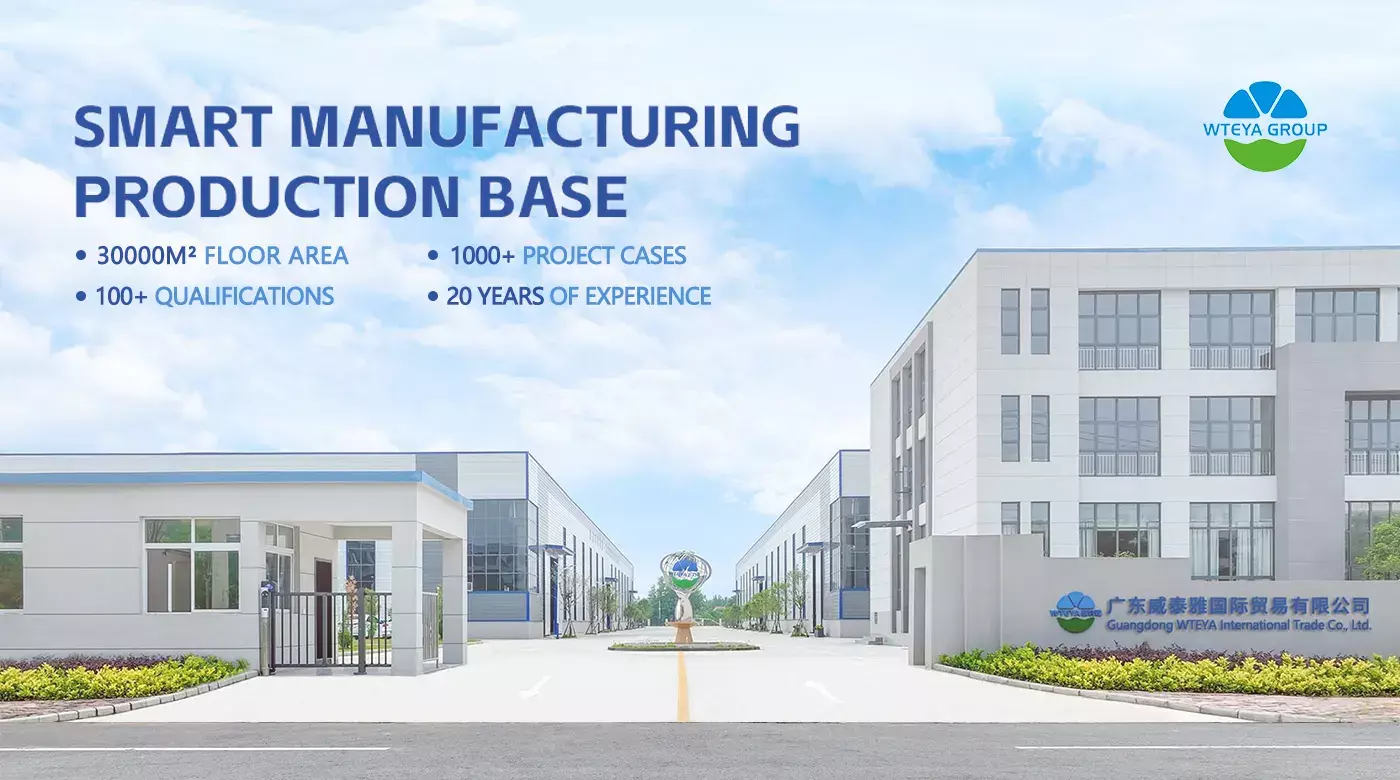
• Nearly 20 years of industry experience
• Trusted by global leaders including Foxconn, Huawei, Ganfeng Lithium, Ronbay Technology
• 100+ success cases worldwide
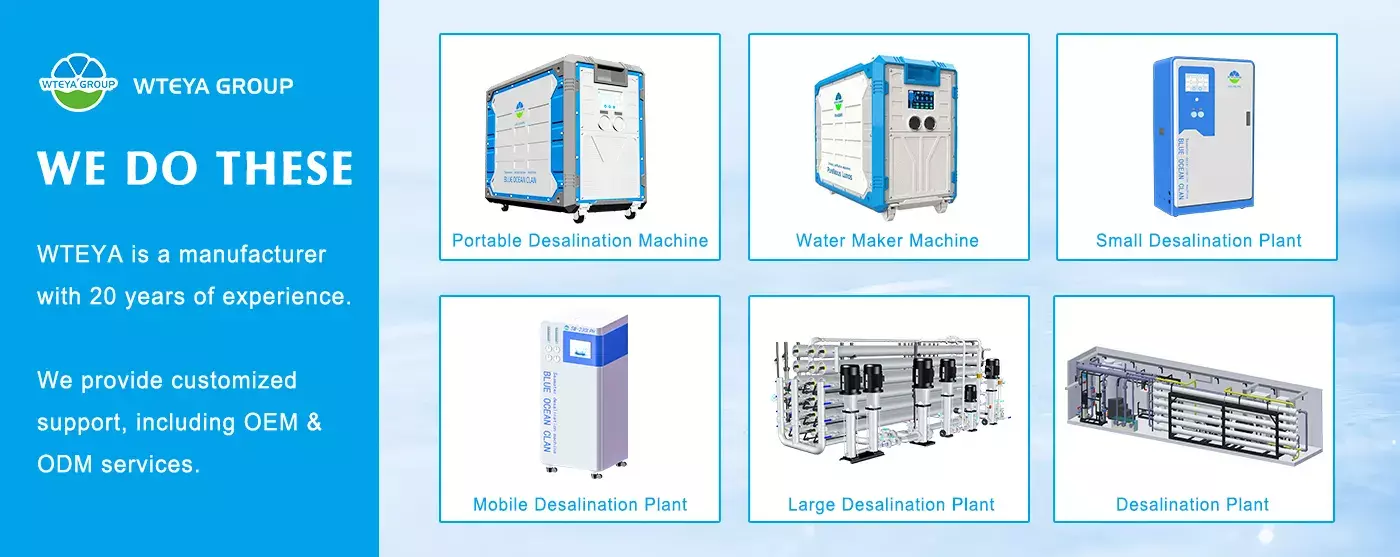
• OEM & ODM customization available
Become a WTEYA Distributor!
We are expanding global partnerships:
• Preferential policies
• Professional training
• Full technical support
Let us help you achieve exceptional water quality and operational sustainability!
📲 WhatsApp: +86-1800 2840 855
📧 Email: info@wteya.com
🌐 Website: www.wteya.com
Previous: Why Does High-Salinity Pesticide Wastewater Require Pretreatment?
Next: No More