






What Should You Verify Before Choosing an MVR Evaporator Manufacturer
🔍 1. Real, Verifiable Project References
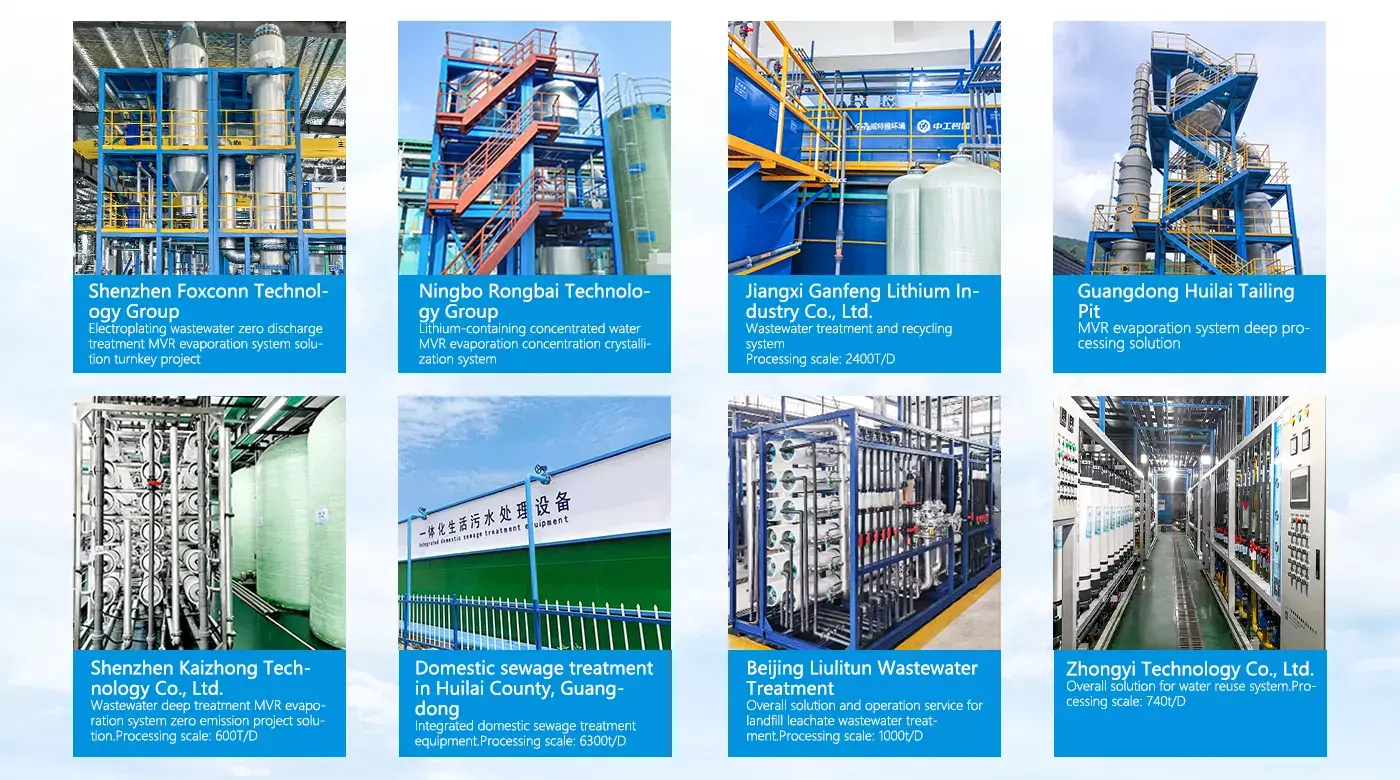
Ask for operating references in your own industry and with comparable water chemistry, preferably commissioned within the last one to two years. Visit the plant or arrange a video walk-through of the running system. A unit that actually runs and meets its energy targets is worth more than any brochure. Be cautious of suppliers whose portfolio is made up of illustrations rather than named sites.
🏭 2. Industry Experience and a Dedicated Process Team
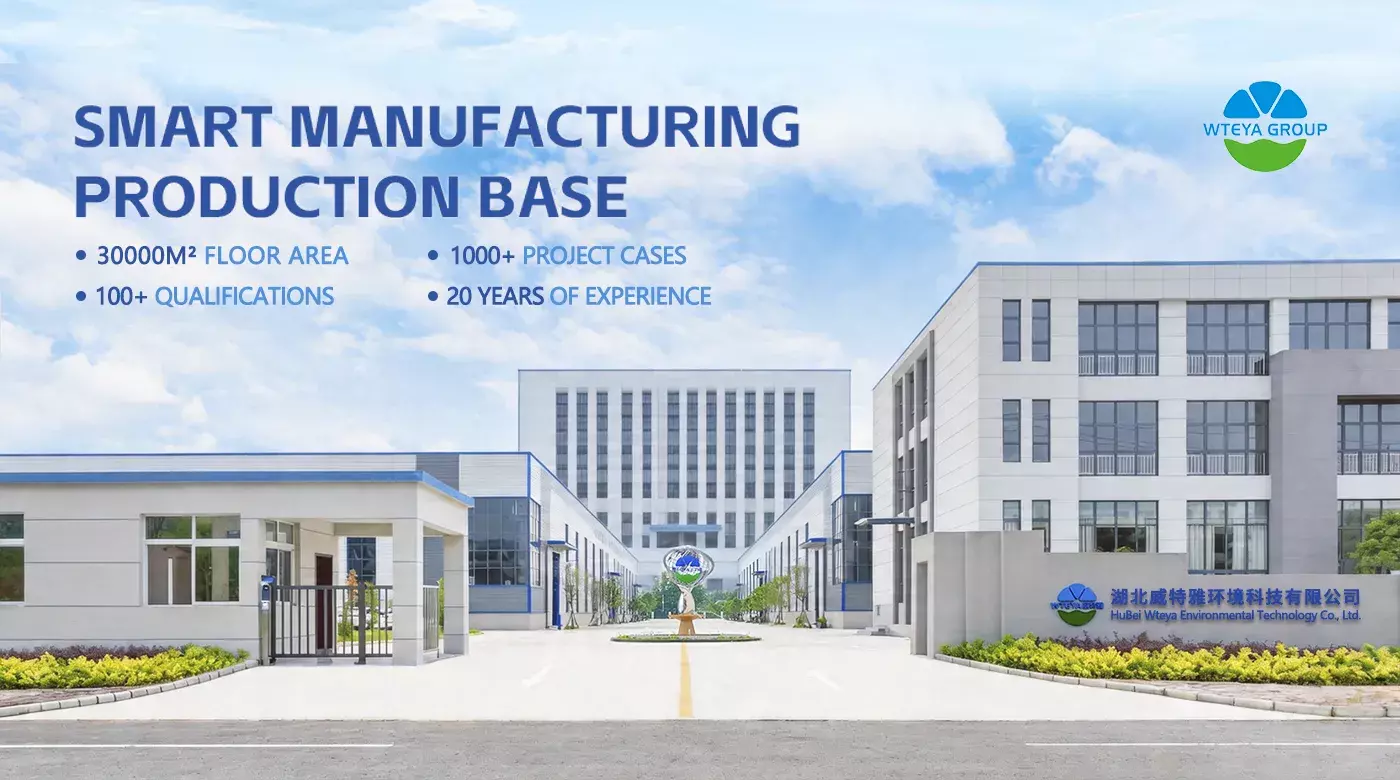
Evaporation and crystallization is a process-driven discipline: fouling behaviour, corrosion allowances, boiling-point elevation and crystal growth all depend on accumulated experience. Favour a manufacturer that has specialised in this field for many years, with in-house R&D and a complete process design team — for example a company with 20 years of experience and more than 100 delivered projects.
📊 3. Proposal Quality: Water Analysis Comes First
A competent supplier will request a full water analysis before quoting, then carry out a mass balance, an energy balance and material selection, and where necessary arrange a pilot test — before issuing a proposal. If a supplier quotes from a vague description without analysing the water, its process capability is questionable.
🔩 4. Materials and Manufacturing Capability
Confirm the materials and brands specified for heat-exchange tubes, vessels and the compressor: 316L stainless steel for normal duty, 2205 duplex for high-chloride streams and titanium for strongly corrosive media. The compressor should come from a recognised brand, with verified parameters such as a temperature rise of 5–20°C and a matching volumetric flow.
🛠️ 5. After-Sales Support and Warranty Terms
An MVR system contains precision components such as the compressor, so response speed matters. Confirm the warranty terms — the industry norm is one year for the complete machine and two years for core components — together with spare-part availability and the ability to provide on-site or remote operation support.
💰 6. Total Cost of Ownership, Not the Lowest Bid
A low price often means thinner materials, a de-rated compressor or reduced service. Compare suppliers on whole-life cost, using metrics such as 30–80 kWh per tonne of water evaporated and an energy saving of 60–70% against single-effect evaporation.
⚠️ Common Pitfalls to Avoid
Two traps appear again and again. First, inflated energy-saving claims: a well-designed MVR typically saves 60–70% compared with single-effect evaporation, so a promise of 90% or more is not realistic. Second, skipping the pilot stage and scaling straight to full size — the fastest route to a system that never reaches its design duty.
WTEYA supports a three-step approach — laboratory test, pilot test, then scale-up — and can issue a preliminary proposal within 48 hours based on your water-quality data. That way the plant performs as designed from the first run. Related selection guidance is available in our MVR evaporator and multi-effect evaporator product pages.
🔗 Related FAQs
What Is the Delivery Time for an MVR Evaporator?
How Long Does an MVR Evaporator Last?
Which Factors Drive MVR Evaporator Investment Cost?
WTEYA is a professional evaporation equipment manufacturer with nearly 20 years of experience. We provide customized solutions and full OEM & ODM services for your specific wastewater requirements.
Schedule a video call with our engineers to explore your options.
📲 WhatsApp: +86-1800 2840 855
📧 Email: info@wteya.com
🌐 Website: www.wteya.com