






24T/D Leachate Evaporation: Guangdong Wuma Landfill MVR Zero Liquid Discharge Project
24T/D Leachate Evaporation Project: Guangdong Wuma Landfill MVR System Success
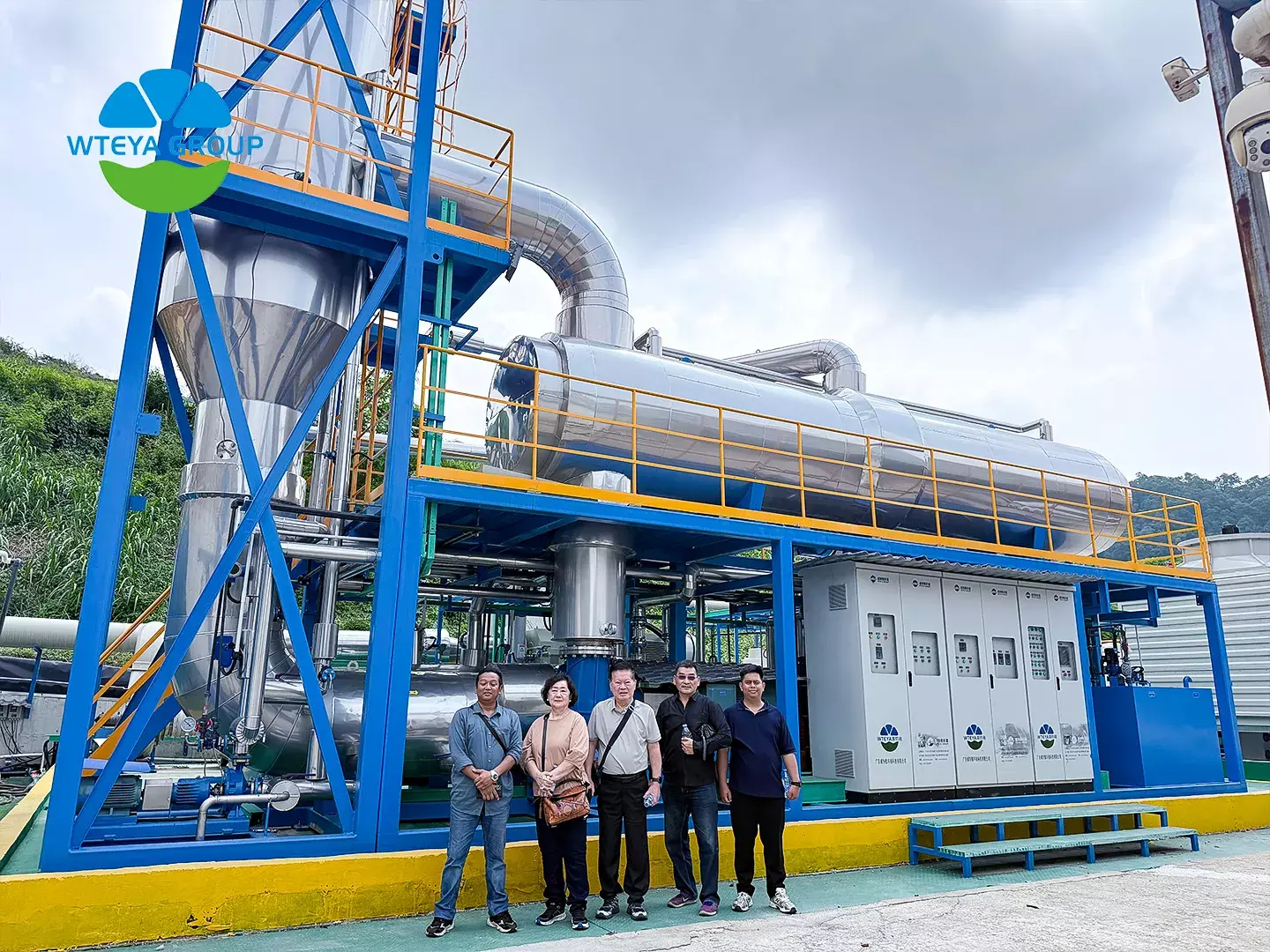
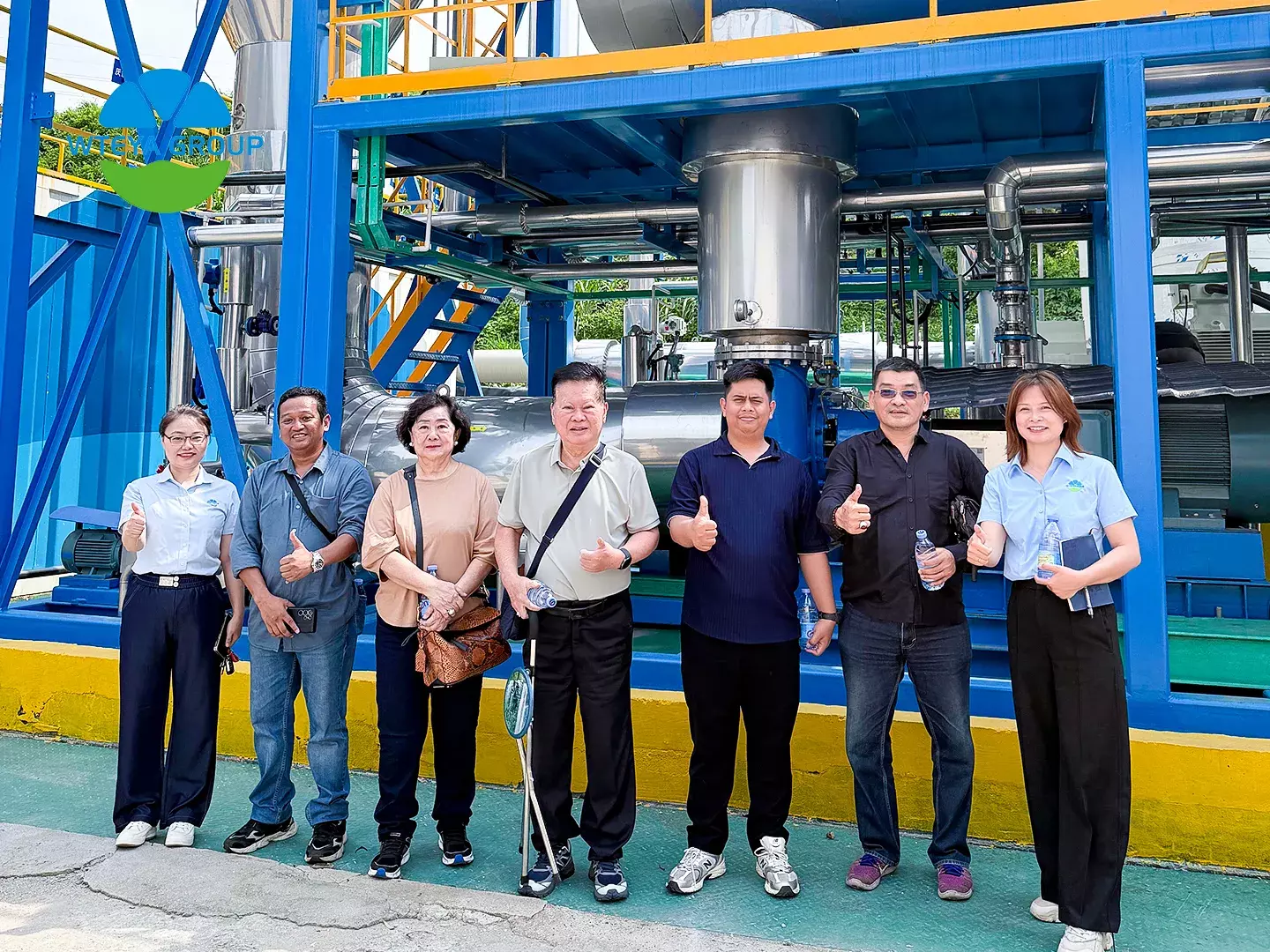
WTEYA has successfully delivered a 24-ton-per-day high-difficulty wastewater evaporation and concentration system for the Guangdong Wuma Domestic Waste Landfill Leachate Treatment Project. This project demonstrates WTEYA's engineering capability in tackling some of the most challenging wastewater streams — landfill leachate — with MVR evaporation technology that achieves true zero liquid discharge.
Project Overview
The Guangdong Wuma Landfill, serving a rapidly growing municipal area, faced an increasingly urgent challenge: treating landfill leachate with complex and variable composition. Leachate from mature landfills typically contains high concentrations of ammonia nitrogen, heavy metals, dissolved organic matter, and refractory compounds — making conventional biological treatment insufficient on its own.
Project specifications:
- Project name: Guangdong Wuma Domestic Waste Landfill Leachate Treatment Project
- Design capacity: 24 T/D (tons per day) of high-difficulty wastewater
- Primary process: MVR evaporation and concentration
- Equipment: MVR evaporation system with 1 t/h feed rate
- Feed stream: Concentrate from DTRO (Disk Tube Reverse Osmosis) pre-treatment
- Service scope: Equipment supply, installation, commissioning, and ongoing operation & maintenance
- Project goal: Wastewater recycling and reuse — achieving zero liquid discharge
The Treatment Challenge: Why Leachate Is So Difficult
Landfill leachate is widely recognized as one of the most difficult wastewater streams to treat. Its composition varies significantly depending on landfill age, waste composition, seasonal rainfall, and operational practices. Key challenges include:
- High COD and BOD: Organic pollutant concentrations can exceed 20,000 mg/L in fresh leachate
- Ammonia nitrogen: Levels frequently exceed 2,000 mg/L, requiring specialized treatment
- Refractory organics: Humic acids, fulvic acids, and other persistent compounds resist biological degradation
- Heavy metals: Lead, cadmium, mercury, and other metals at trace but regulated levels
- High salinity: Total dissolved solids often exceed 10,000 mg/L, scaling conventional equipment
- Variable flow: Rainfall-dependent generation creates fluctuating feed conditions
Conventional treatment sequences — typically biological treatment followed by membrane filtration — produce a concentrated brine that has no discharge route. This is where MVR evaporation becomes indispensable.
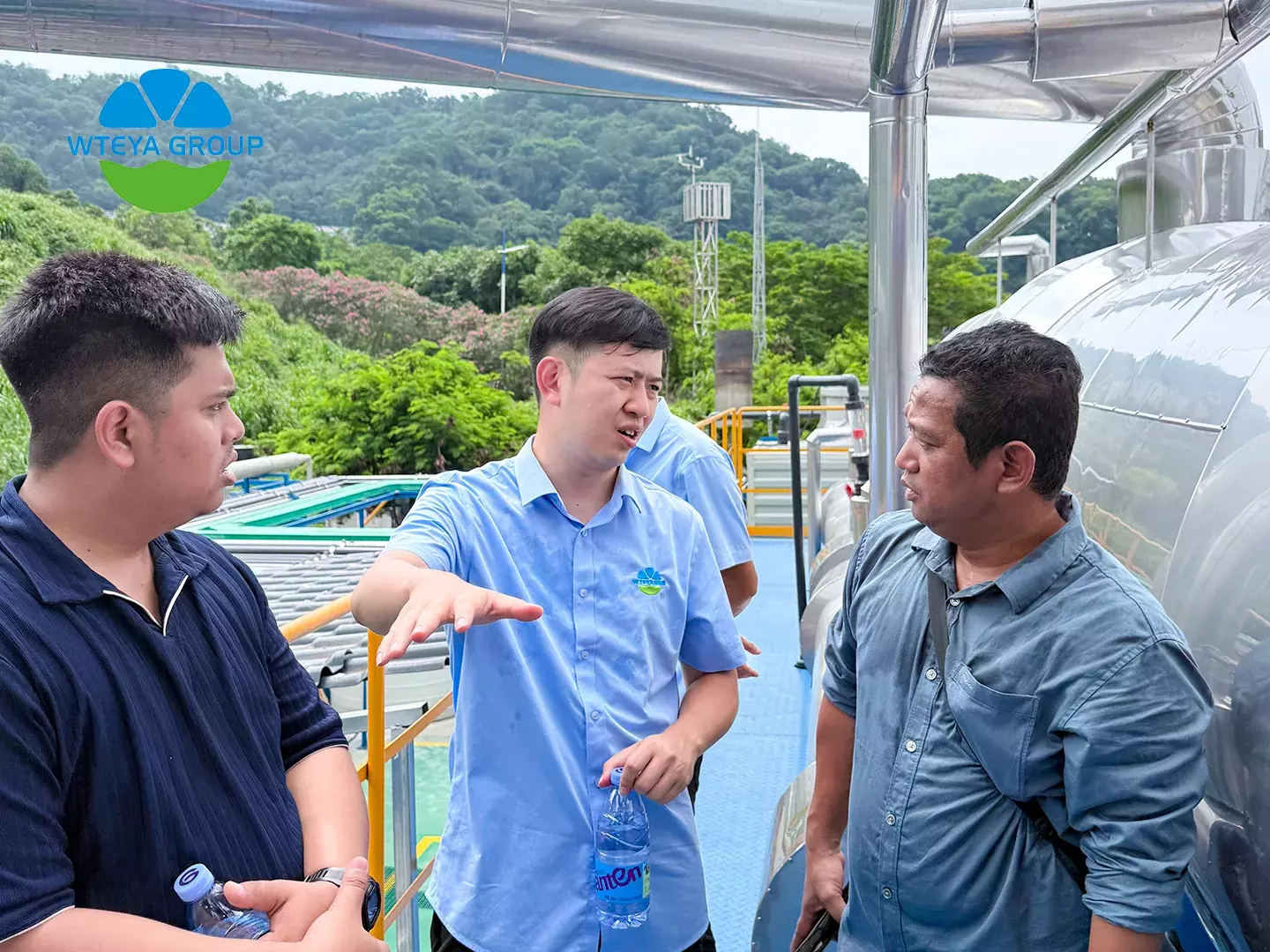
Process Design: DTRO + MVR Integration
The Wuma project employs a two-stage treatment architecture that leverages the strengths of both DTRO and MVR technologies:
Stage 1: DTRO Pre-Treatment
- Raw leachate is pre-treated using Disk Tube Reverse Osmosis (DTRO) high-pressure membrane systems
- DTRO recovers 70-75% of the feed as permeate (meeting discharge standards)
- The remaining 25-30% becomes a concentrated brine with elevated COD, salinity, and ammonia
- This concentrate — the most challenging fraction — is directed to the MVR system
Stage 2: MVR Evaporation and Crystallization
- The MVR evaporation system processes the DTRO concentrate at a feed rate of 1 t/h
- Mechanical Vapor Recompression technology compresses secondary vapor, recycling latent heat
- Evaporation achieves an 85-90% volume reduction, producing concentrated distillate and a residual slurry
- Distillate water quality meets reuse standards — returning to the leachate treatment circuit or site operations
- Residual concentrated slurry is further processed for safe disposal or resource recovery
This integrated approach ensures that every cubic meter of leachate is accounted for — nothing is discharged untreated, and recovered water is recycled back into the system.
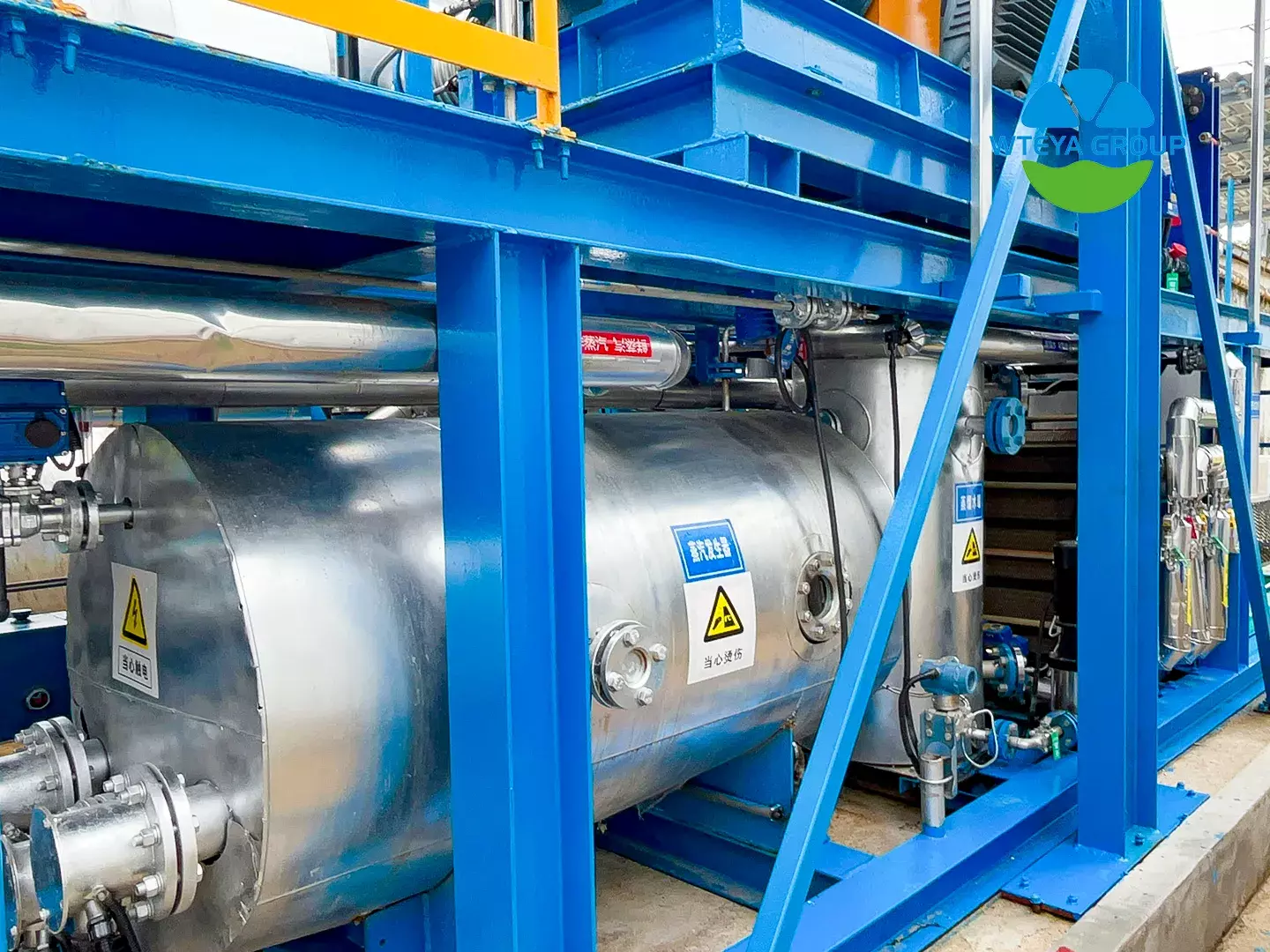
MVR System Technical Highlights
The MVR evaporation system deployed at Wuma is engineered specifically for landfill leachate concentrate — a stream that demands robust materials, intelligent controls, and reliable performance under variable conditions.
Key technical features:
- Energy efficiency: MVR technology achieves 30-60% energy savings compared to conventional multi-effect evaporation, significantly reducing operating costs
- Low-temperature evaporation: Operating at 60-85 degrees Celsius, minimizing scaling and fouling on heat transfer surfaces
- Corrosion-resistant construction: Titanium and duplex stainless steel heat exchangers withstand high chloride and ammonia environments
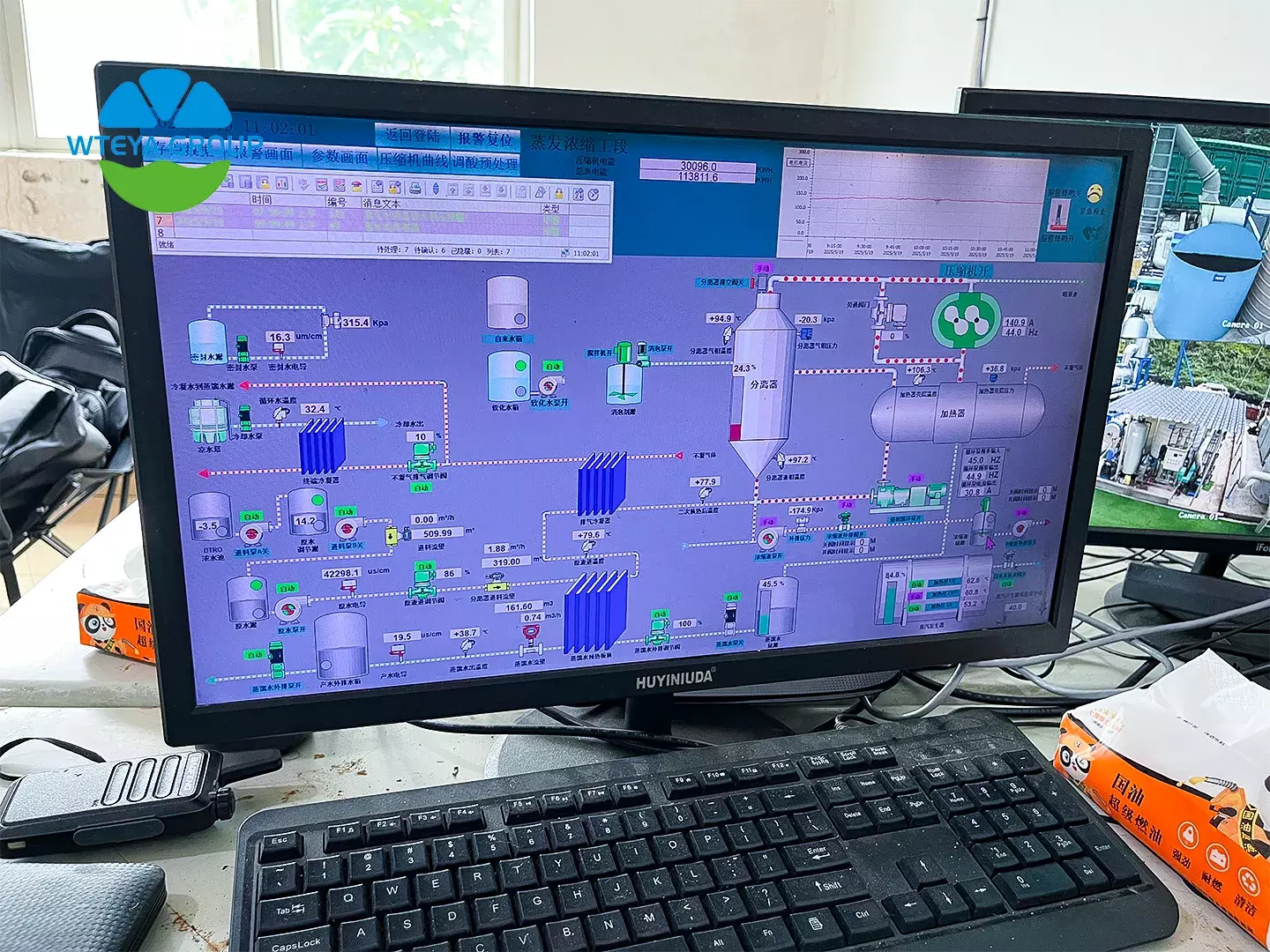
- Automated control system: PLC-based control with real-time monitoring of temperature, pressure, flow, and density — enabling unattended operation
- Anti-scaling design: Optimized circulation flow rates and periodic CIP (Clean-In-Place) protocols maintain heat transfer efficiency over extended operation cycles
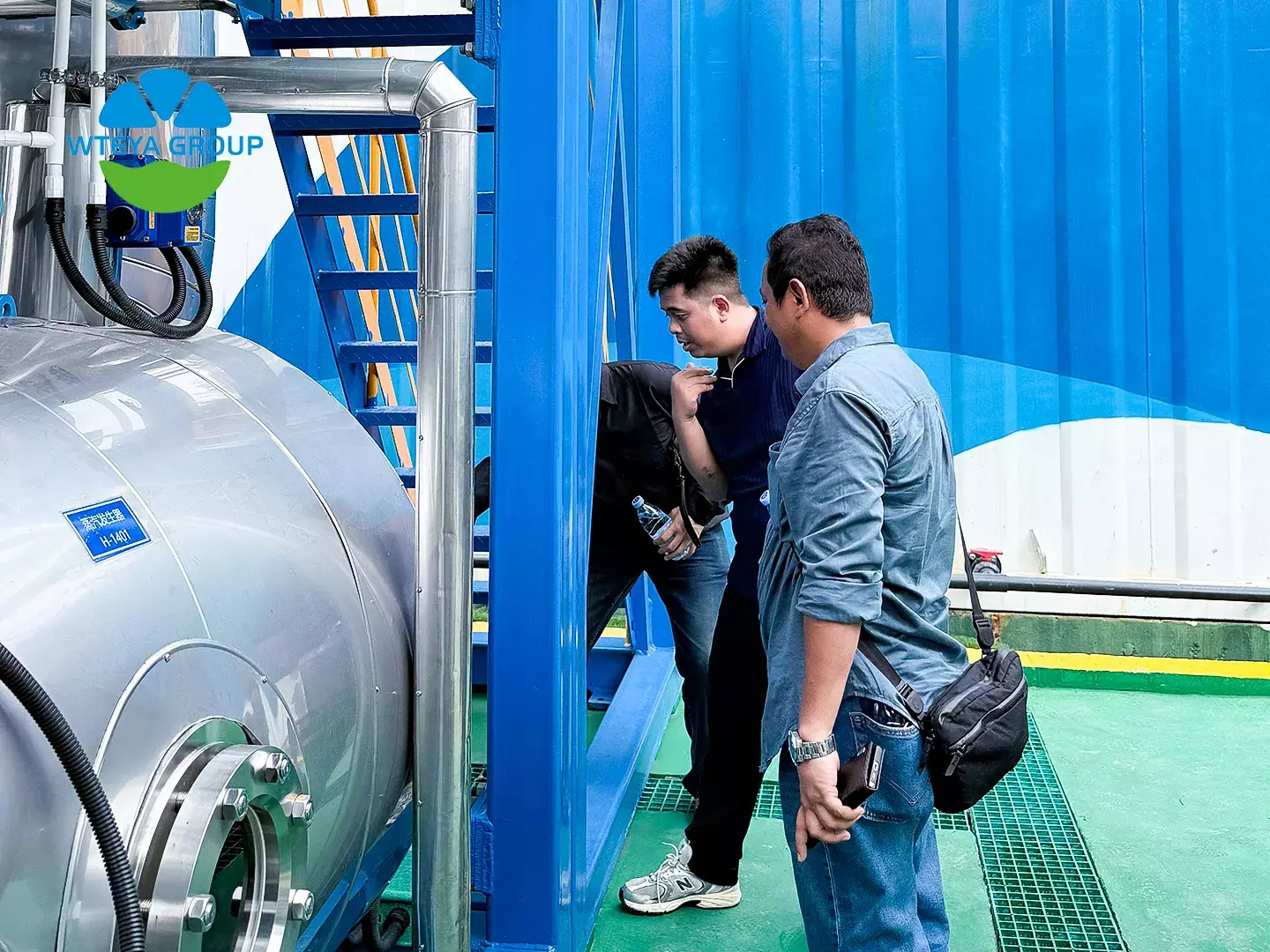
- Compact footprint: Skid-mounted design minimizes installation space — critical for landfill sites with limited available area
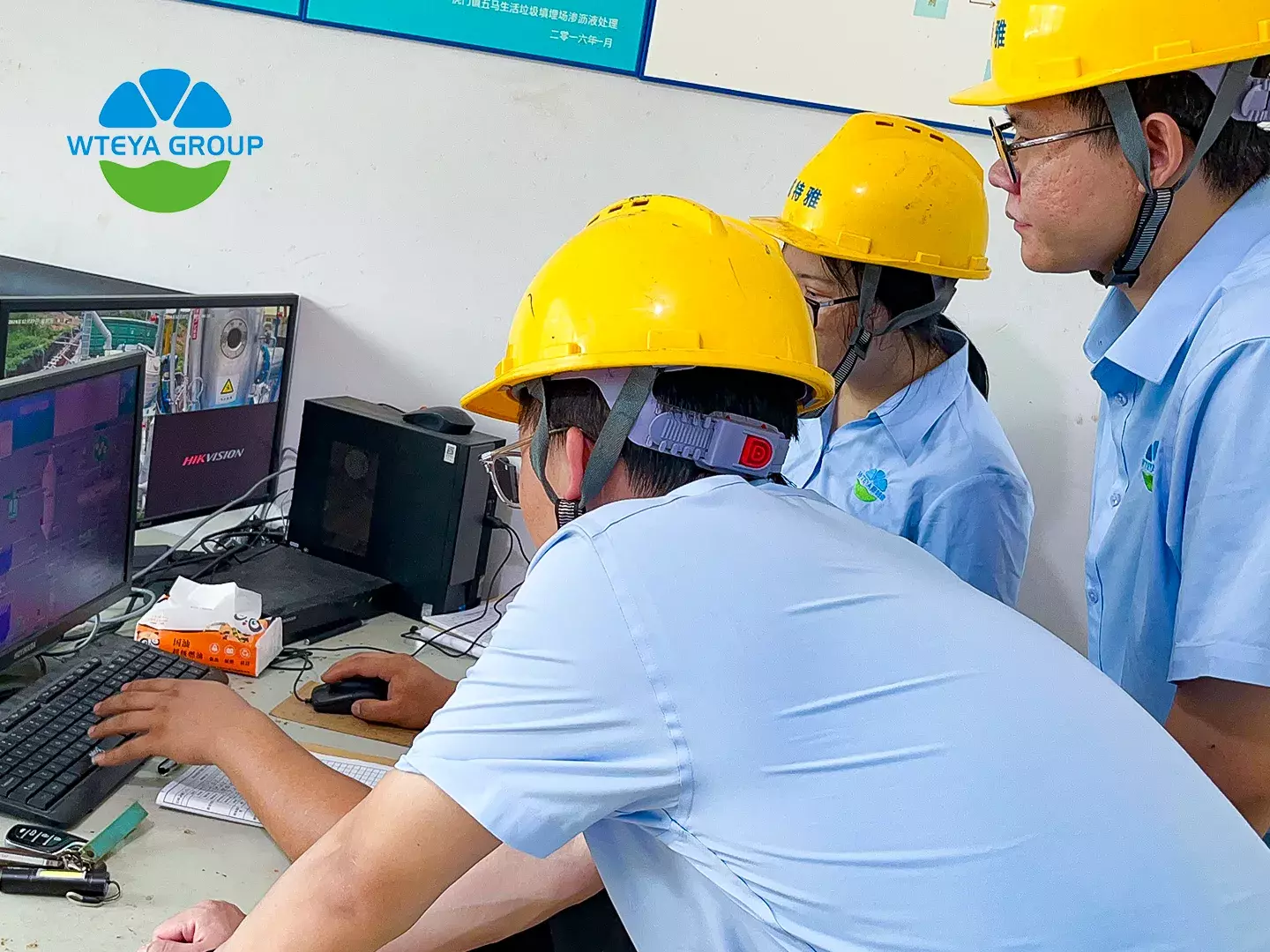
Operation & Maintenance: WTEYA's Full Lifecycle Commitment
Beyond equipment supply, WTEYA provides comprehensive operation and maintenance (O&M) services for the Wuma project. This full lifecycle approach ensures sustained performance and rapid response to operational challenges.
O&M service scope includes:
- 24/7 remote monitoring: Real-time system performance tracking via IoT-enabled control platform
- Preventive maintenance: Scheduled inspections, cleaning cycles, and component replacements to prevent unplanned downtime
- Performance optimization: Continuous tuning of operating parameters to adapt to changing leachate characteristics
- On-site technical support: Rapid deployment of engineering teams for troubleshooting and major maintenance events
- Compliance reporting: Automated data logging and reporting to meet environmental regulatory requirements
This O&M model transforms the client's risk profile — shifting from capital equipment ownership to guaranteed treatment performance. The client focuses on landfill operations; WTEYA ensures the wastewater treatment system performs reliably, day after day.
Project Outcomes and Environmental Impact
Since commissioning, the Wuma MVR system has delivered consistent, compliant performance:
- Treatment capacity: 24 T/D of high-difficulty leachate concentrate reliably processed
- Volume reduction: 85-90% reduction in wastewater volume through evaporation
- Water recovery: Distillate quality meets reuse standards, returning to site operations
- Energy savings: 30-60% lower energy consumption compared to conventional evaporation
- Zero liquid discharge: No untreated wastewater is released to the environment
- Compliance: Meets all provincial and national landfill leachate treatment standards
The environmental impact is significant. By eliminating liquid discharge and recovering water for reuse, the Wuma project protects local groundwater resources, reduces truck transportation of concentrated brine, and demonstrates a replicable model for landfill leachate management across China.
Why MVR Evaporation for Leachate Treatment?
Landfill leachate management is evolving. Traditional treatment methods — biological processes, chemical precipitation, and membrane filtration — each have limitations when dealing with the concentrated residual streams they produce. MVR evaporation addresses this final, most challenging step.
MVR advantages for leachate concentrate:
- Handles variable composition: Unlike biological systems, MVR performance is not affected by toxic or refractory compounds
- Complete volume reduction: Evaporation removes water, leaving only concentrated solids for disposal
- Energy efficient: Vapor recompression recycles latent heat, making large-scale evaporation economically viable
- Modular and scalable: Systems can be designed for any capacity — from 1 t/h to 50+ t/h
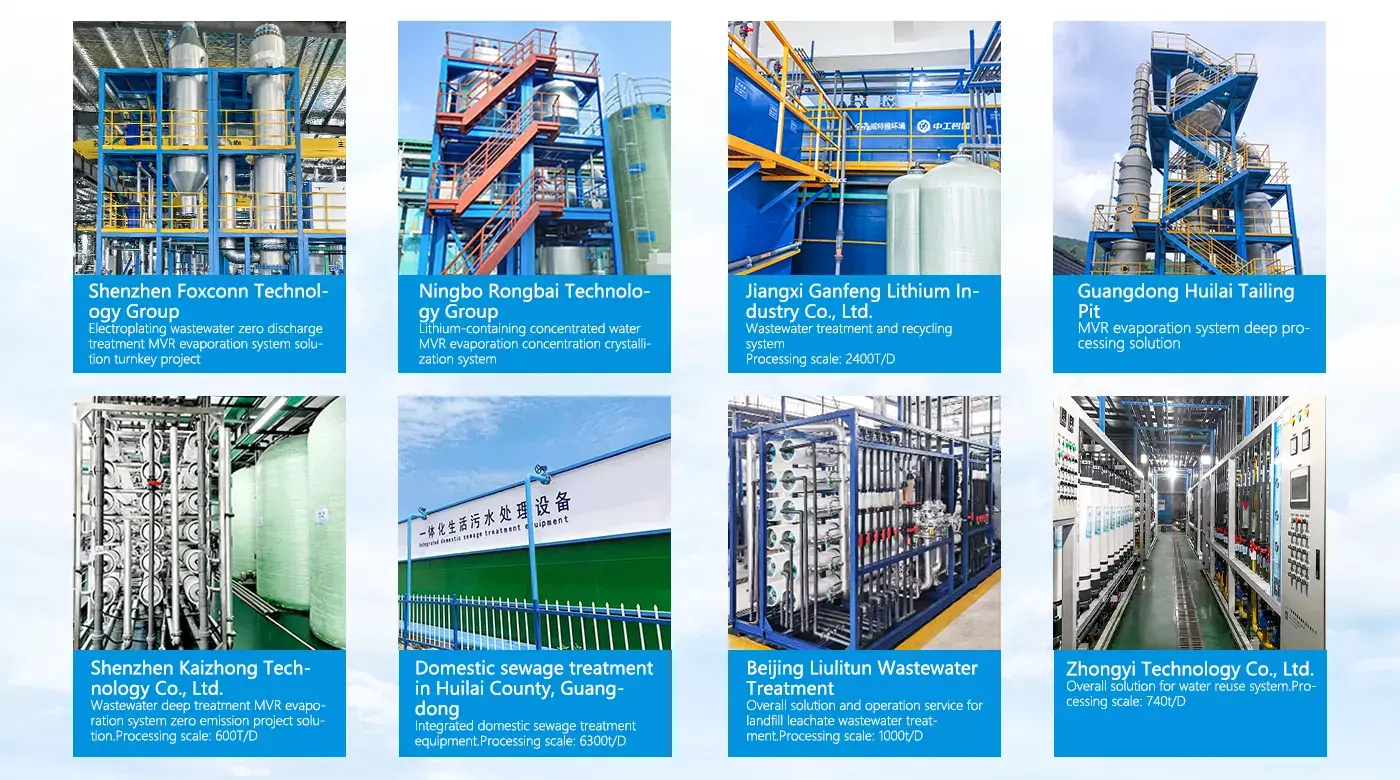
- Proven technology: WTEYA has deployed MVR systems across landfills, incineration plants, and industrial waste sites throughout China
WTEYA: Your Partner for Difficult Wastewater Challenges
With nearly 20 years of experience in evaporation and crystallization technology, WTEYA has established itself as a leading provider of zero liquid discharge solutions for challenging wastewater streams. Our expertise spans:
- Landfill leachate treatment: MVR systems integrated with DTRO, UF/RO, and biological pre-treatment
- Industrial wastewater ZLD: Electroplating, PCB, lithium battery, petrochemical, and coal chemical industries
- High-salt wastewater: Salt recovery and crystallization systems for resource valorization
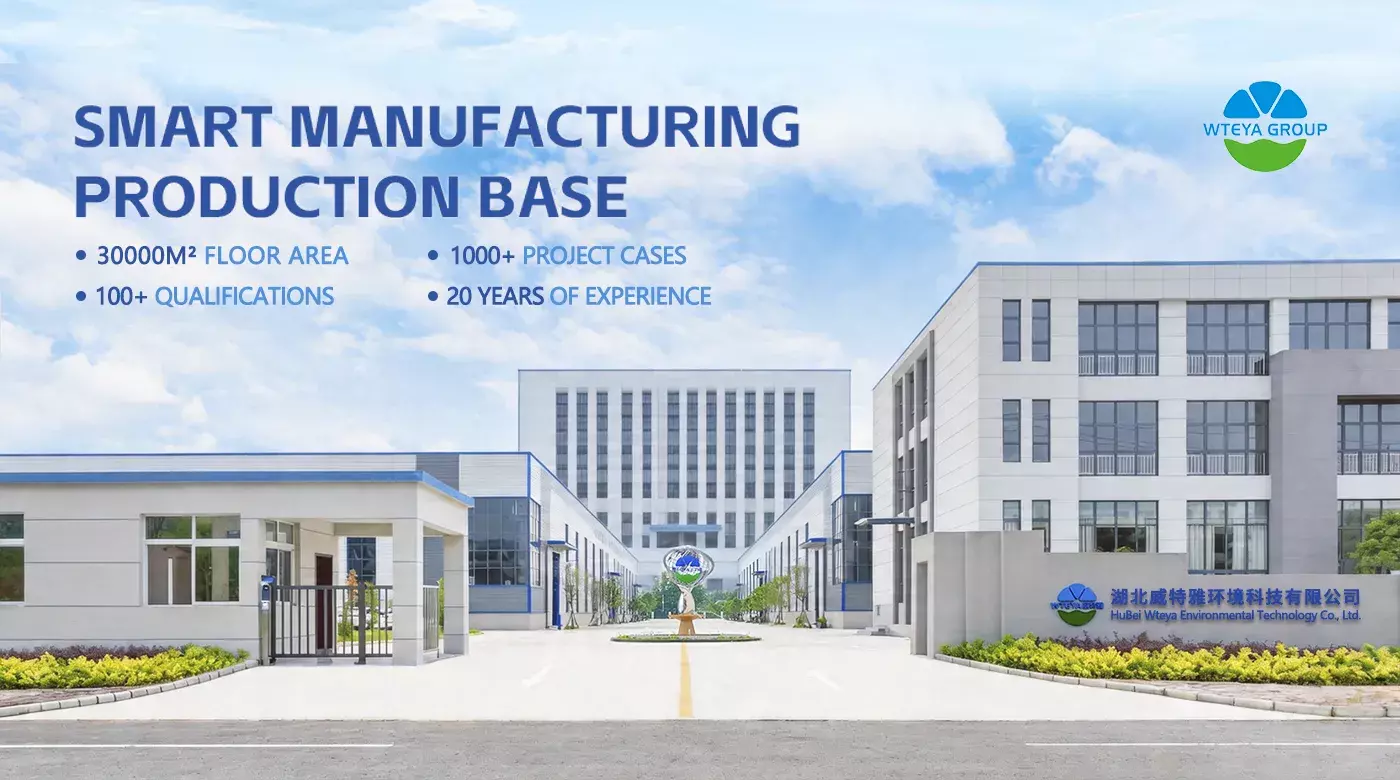
- OEM & ODM manufacturing: Custom-engineered systems built at our 30,000 m² production facility
- Full lifecycle services: From design and manufacturing to installation, commissioning, and long-term O&M
The Guangdong Wuma project exemplifies WTEYA's integrated approach — combining advanced MVR technology with expert engineering and dedicated O&M services to solve the most difficult wastewater challenges. Whether your facility deals with landfill leachate, industrial effluent, or high-salt waste streams, WTEYA delivers solutions that achieve zero liquid discharge while minimizing energy consumption and operating costs.
Contact WTEYA today to discuss your wastewater treatment challenges. Our engineering team will assess your specific requirements and design a customized evaporation solution that delivers reliable, compliant, and cost-effective performance.
Frequently Asked Questions
Q: What is an MVR evaporator?
A: MVR (Mechanical Vapor Recompression) evaporator is an energy-efficient evaporation technology that reduces energy consumption by 30-50% compared to traditional evaporation.
Q: How much energy can MVR save?
A: MVR evaporators typically reduce energy consumption by 30-50% compared to traditional multi-effect evaporators, using electricity instead of steam.
Q: What is the difference between MVR and multi-effect evaporator?
A: MVR uses mechanical vapor recompression for energy efficiency, while multi-effect evaporators use multiple evaporation stages. MVR has lower operating costs.
Take the First Step Towards Compliance
Still using outdated treatment methods? Upgrade to WTEYA's advanced technology and see immediate improvements in efficiency and compliance.
Schedule a video call with our engineers to explore your options.
📲 WhatsApp: +86-1800 2840 855
📧 Email: info@wteya.com
🌐 Website: www.wteya.com