






150m³/D Full-Quantification Leachate Treatment: Jiangmen Kaiping Liangjinshan Landfill MVR Project
150m³/D Full-Quantification Leachate Treatment: Jiangmen Kaiping Liangjinshan Landfill MVR Project
Project Overview
The Jiangmen Kaiping Liangjinshan Municipal Solid Waste Landfill is one of the largest waste disposal facilities in the Greater Bay Area, serving a growing urban population with increasing waste volumes. As landfill operations continue, leachate generation has become a critical environmental challenge — requiring not merely partial treatment, but full-quantification processing where every cubic meter of leachate is treated to discharge standards, with zero residual waste left behind.
WTEYA was selected as the technology provider and operations partner for this project, delivering a comprehensive solution with a minimum treatment capacity of 150 m³/day, meeting full-quantification requirements and ensuring compliant effluent discharge — backed by long-term operation and maintenance (O&M) services.
The Challenge: Why Full-Quantification Matters
Traditional leachate treatment approaches often rely on partial processing — treating a portion of the wastewater while concentrating the remainder into a smaller volume of highly polluted residue. This "partial treatment" model leaves a persistent environmental liability: concentrated waste that must still be managed, stored, or disposed of somehow.
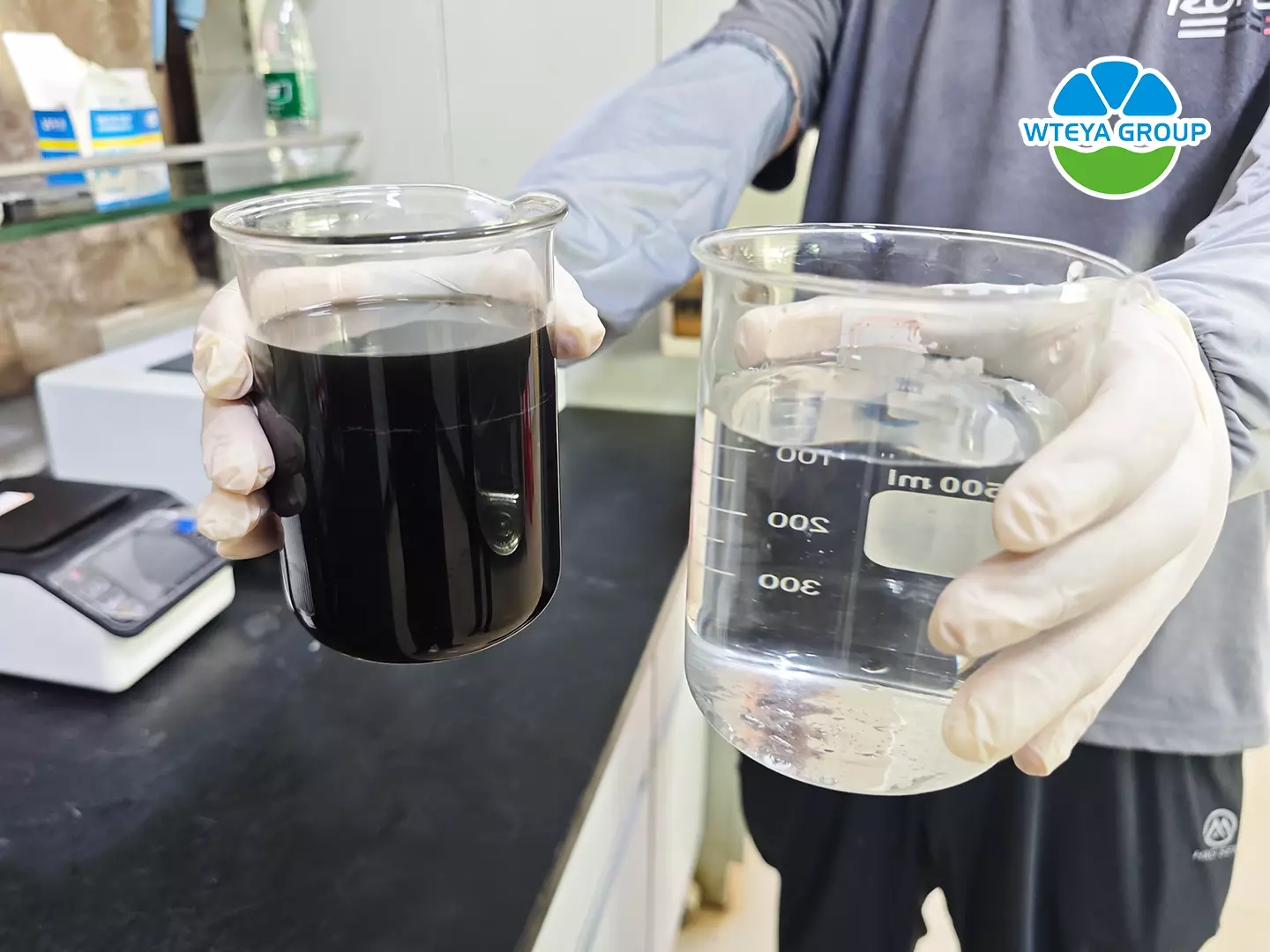
Full-quantification treatment eliminates this problem entirely. Every liter of leachate entering the system is processed through to compliant discharge standards. No concentrate is left behind. No residual waste requires secondary handling. This is the gold standard for landfill leachate management — and it is precisely what the Liangjinshan project demands.
The leachate at Liangjinshan presents particularly difficult characteristics:
- High COD and BOD: Organic pollutant concentrations far exceed standard municipal wastewater levels
- High ammonia nitrogen: Typical of mature landfill leachate, requiring specialized nitrogen removal
- Complex organic compounds: Humic acids, phenols, and persistent organic pollutants resistant to conventional biological treatment
- Heavy metals: Trace concentrations of lead, cadmium, chromium, and other regulated metals
- High salinity: Dissolved salts that interfere with biological processes and require thermal separation
- Variable composition: Leachate characteristics shift with seasonal rainfall, landfill age, and waste composition changes
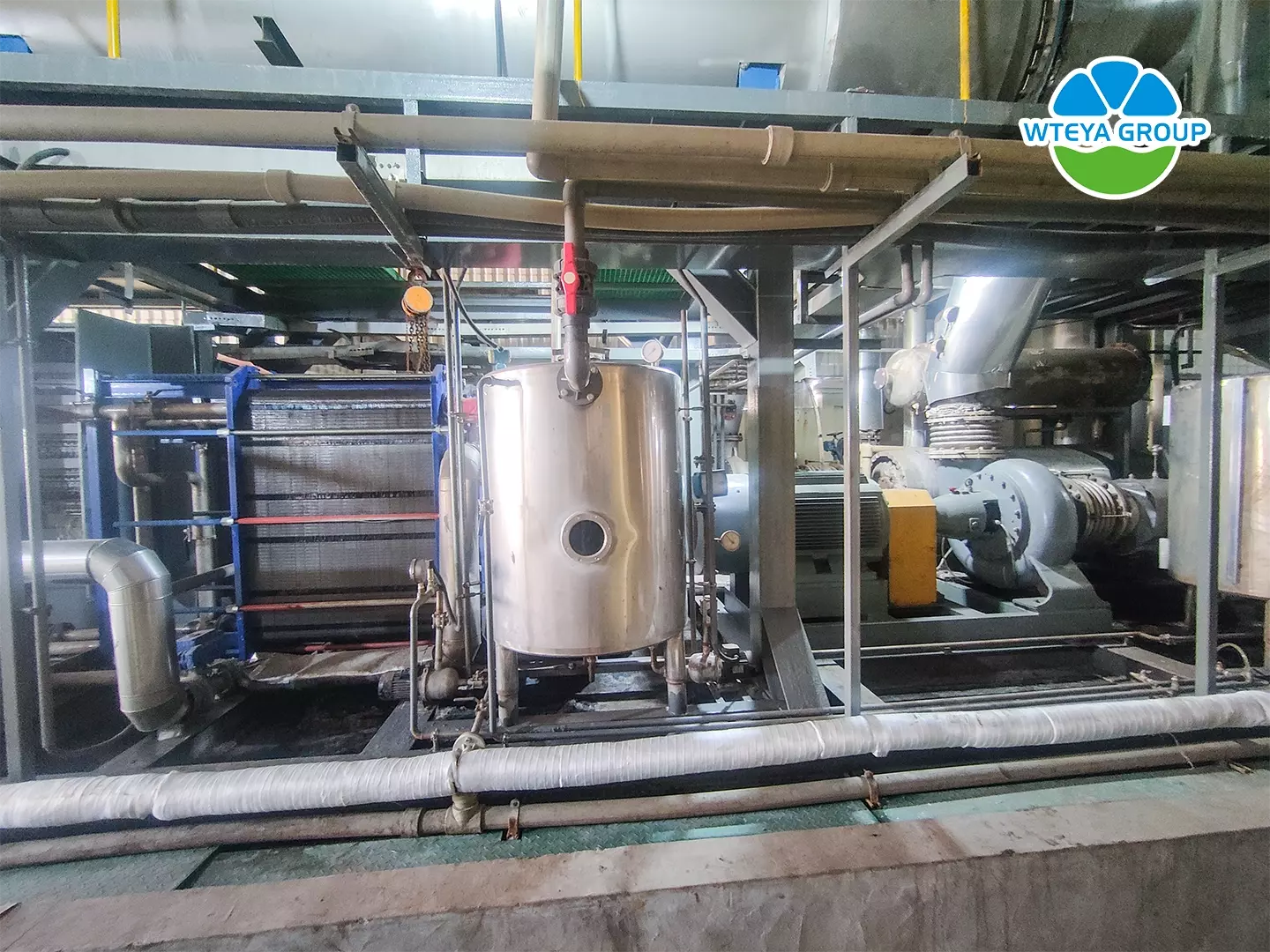
MVR Technology: The Core of Full-Quantification Treatment
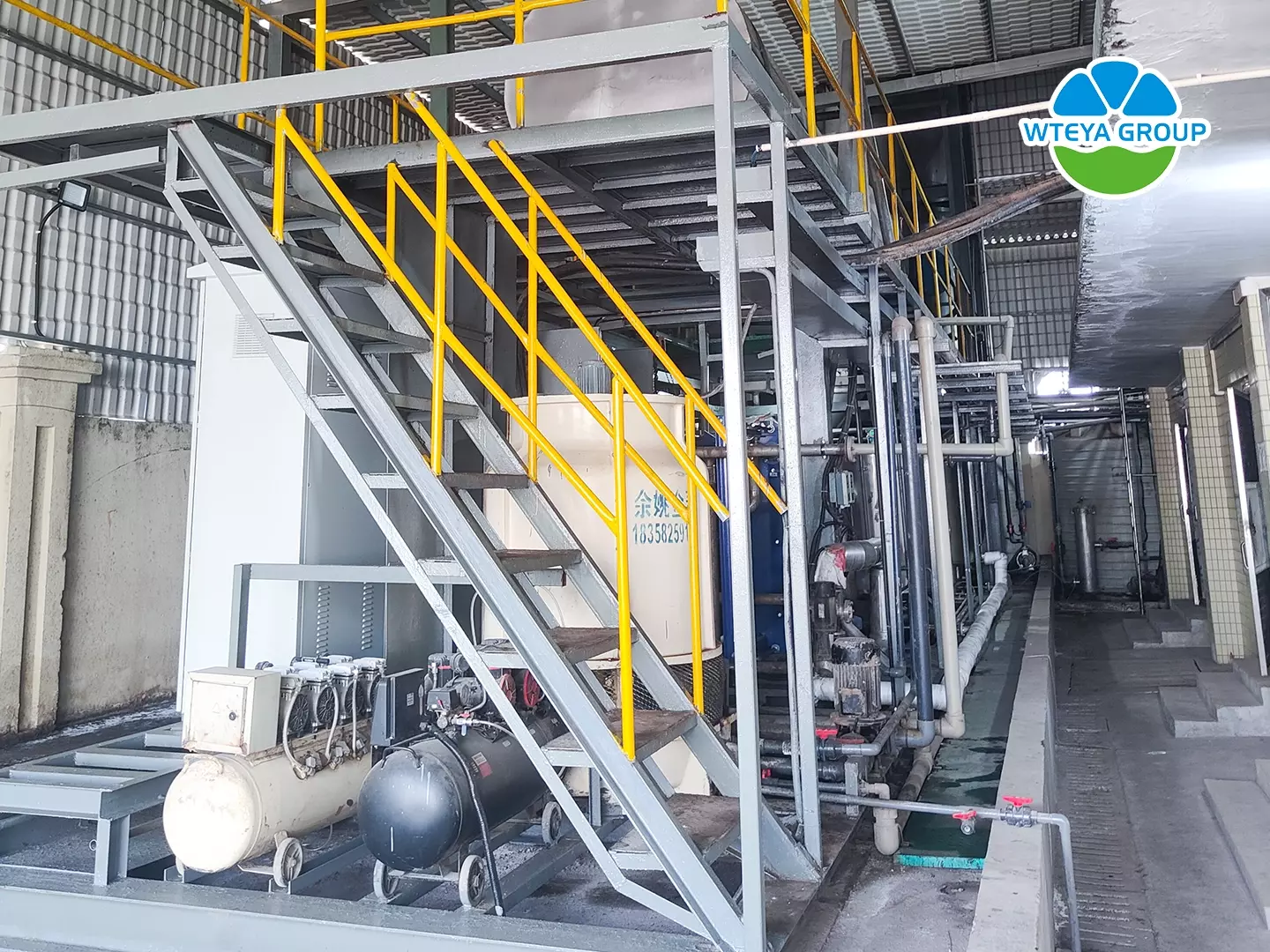
The cornerstone of WTEYA's solution is MVR (Mechanical Vapor Recompression) evaporation technology — an energy-efficient thermal separation process that achieves complete pollutant removal while minimizing operational costs.
How MVR Works
MVR is an abbreviation for Mechanical Vapor Recompression. The fundamental principle is elegantly simple: instead of discarding the steam generated during evaporation (as traditional evaporators do), MVR captures this "secondary steam" and recompresses it using a mechanical compressor to raise its enthalpy (thermal energy content). The recompressed steam is then fed back into the heating chamber as the primary heat source, heating the incoming feed material while itself condensing into clean water that is discharged from the system.
This closed-loop energy cycle means that MVR evaporation requires only a minimal amount of fresh steam for startup — thereafter, the system sustains itself on its own recycled thermal energy. The result is a dramatic reduction in external energy demand and operating cost.
Key Advantages of MVR for Leachate Treatment
1. Exceptional Energy Efficiency
MVR evaporators require only minimal fresh steam, dramatically reducing operating costs and environmental impact. No waste heat steam is discharged — the energy savings are substantial, typically 30-60% lower than multi-effect evaporators for equivalent capacity.
2. Gentle, Low-Temperature Evaporation
Because the compressor provides the heat source rather than high-pressure steam, the temperature difference across the heating surface is much smaller than in traditional evaporators. This enables mild, low-temperature evaporation — preserving water quality, minimizing thermal degradation of organics, and significantly reducing scale formation on heat transfer surfaces.
3. Simple Structure, Fully Automatic Operation
The MVR process flow is remarkably straightforward. The system operates fully automatically, can run continuously without interruption, and maintains high reliability with minimal operator intervention. Smart PLC control manages all process parameters — feed rate, temperature, pressure, concentration levels — in real time.
4. Integrated CIP (Clean-In-Place) System
Every WTEYA MVR unit features built-in CIP cleaning piping, enabling on-site cleaning without dismantling. The entire system is designed for convenient operation with no dead corners — ensuring consistent performance and easy maintenance over years of continuous operation.
5. Universal Applicability with Superior Environmental Performance
Any material suitable for single-effect or multi-effect evaporation can be processed by MVR — with complete technical interchangeability and superior environmental and energy characteristics. For leachate specifically, MVR's ability to handle high-salinity, high-COD feeds makes it the ideal technology choice.
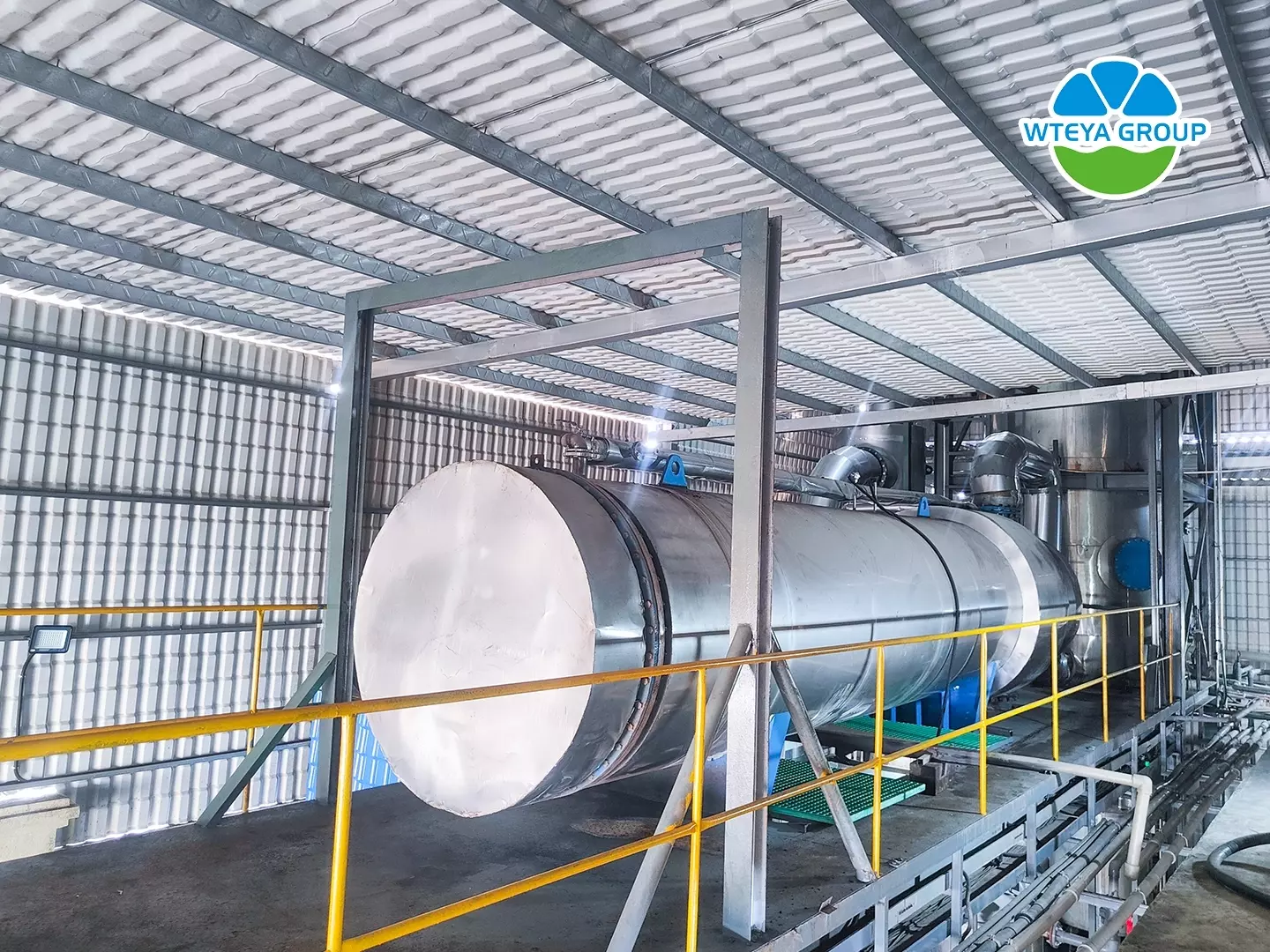
Process Design: Integrated Full-Quantification Treatment
The Liangjinshan project employs a multi-stage integrated process designed to handle every aspect of leachate treatment from raw influent to final compliant discharge:
Stage 1: Pretreatment and Conditioning
- Raw leachate screening and grit removal
- pH adjustment and chemical conditioning
- Heavy metal precipitation and coagulation
Stage 2: Biological Treatment (A/O + MBR)
- Anoxic/oxic biological process for COD and ammonia nitrogen removal
- Membrane Bioreactor (MBR) for enhanced solid-liquid separation
- High-efficiency biological degradation of organic pollutants
Stage 3: DTRO Concentration
- Disk-Tube Reverse Osmosis for advanced concentration
- Recovery of 70-75% clean permeate water
- Production of concentrated RO retentate for MVR processing
Stage 4: MVR Evaporation and Crystallization
- MVR evaporator processes DTRO concentrated retentate
- Thermal separation achieving 85-90% volume reduction
- Distillate water recycled back into the treatment system
- Crystallizer produces solid salt byproduct for compliant disposal
Stage 5: Final Compliance Assurance
- All discharge streams verified against national effluent standards
- Continuous online monitoring of COD, ammonia nitrogen, heavy metals, and other regulated parameters
- No residual liquid waste — full-quantification achieved
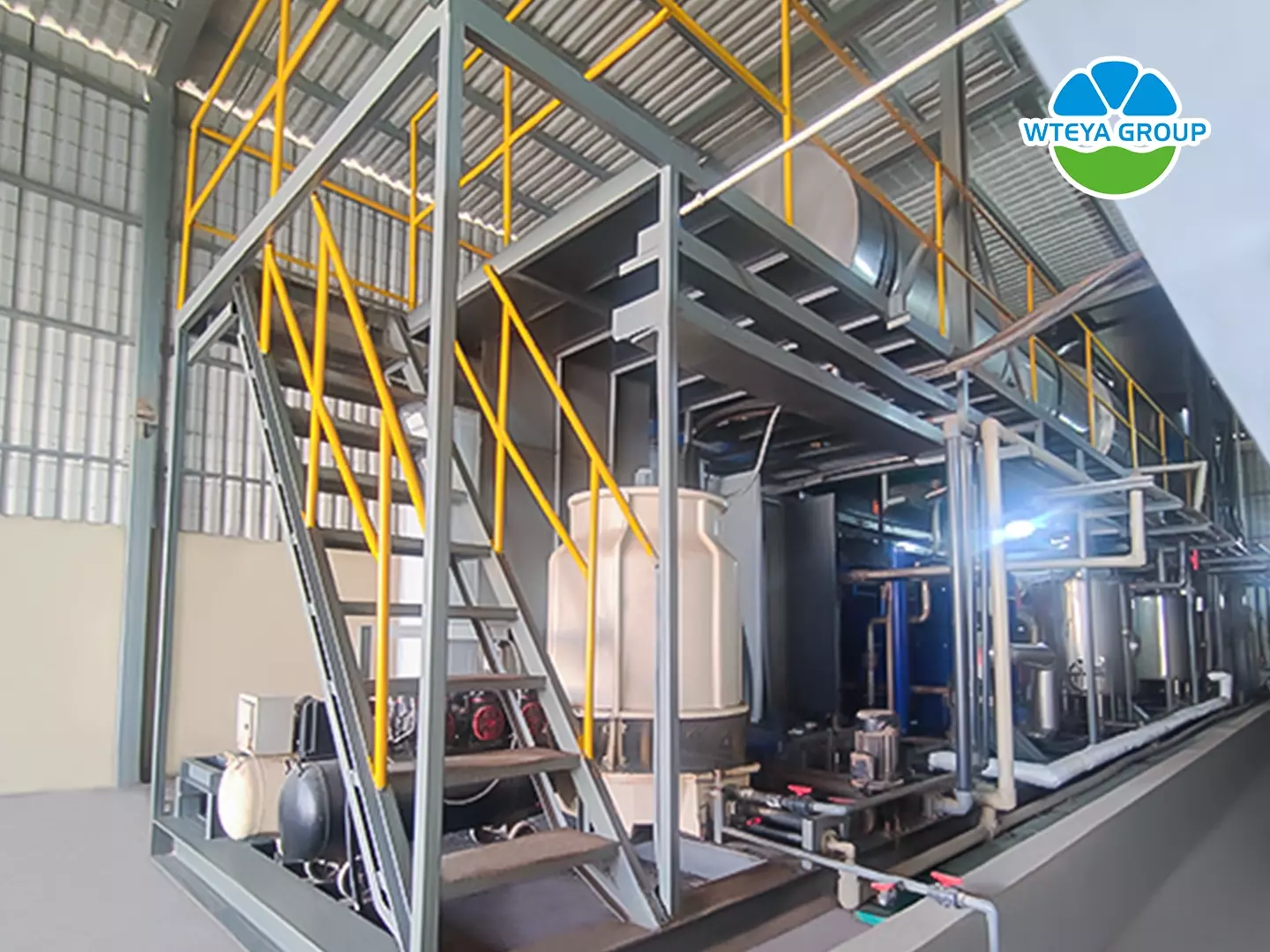
Operation and Maintenance: Long-Term Performance Assurance
WTEYA's commitment extends far beyond equipment delivery. As the designated O&M partner for the Liangjinshan project, we provide comprehensive long-term operational support:
- 24/7 remote monitoring: Real-time system performance dashboards accessible to plant operators and management
- Preventive maintenance program: Scheduled inspections, component replacements, and system optimizations to prevent unplanned downtime
- CIP management: Automated cleaning cycles with chemical dosage optimization based on fouling indicators
- Performance optimization: Continuous adjustment of operating parameters to maximize energy efficiency and treatment effectiveness
- Compliance reporting: Regular reports documenting effluent quality, system performance, and regulatory compliance status
- Emergency response: Rapid on-site support for any operational anomaly or unexpected leachate quality variation
This integrated O&M approach ensures that the 150 m³/day treatment capacity is not merely a design specification, but a sustained, reliable operational reality — day after day, year after year.
Project Outcomes and Environmental Impact
The Liangjinshan full-quantification leachate treatment project delivers measurable environmental and economic benefits:
- Zero liquid discharge: No residual concentrated waste requiring secondary handling or disposal
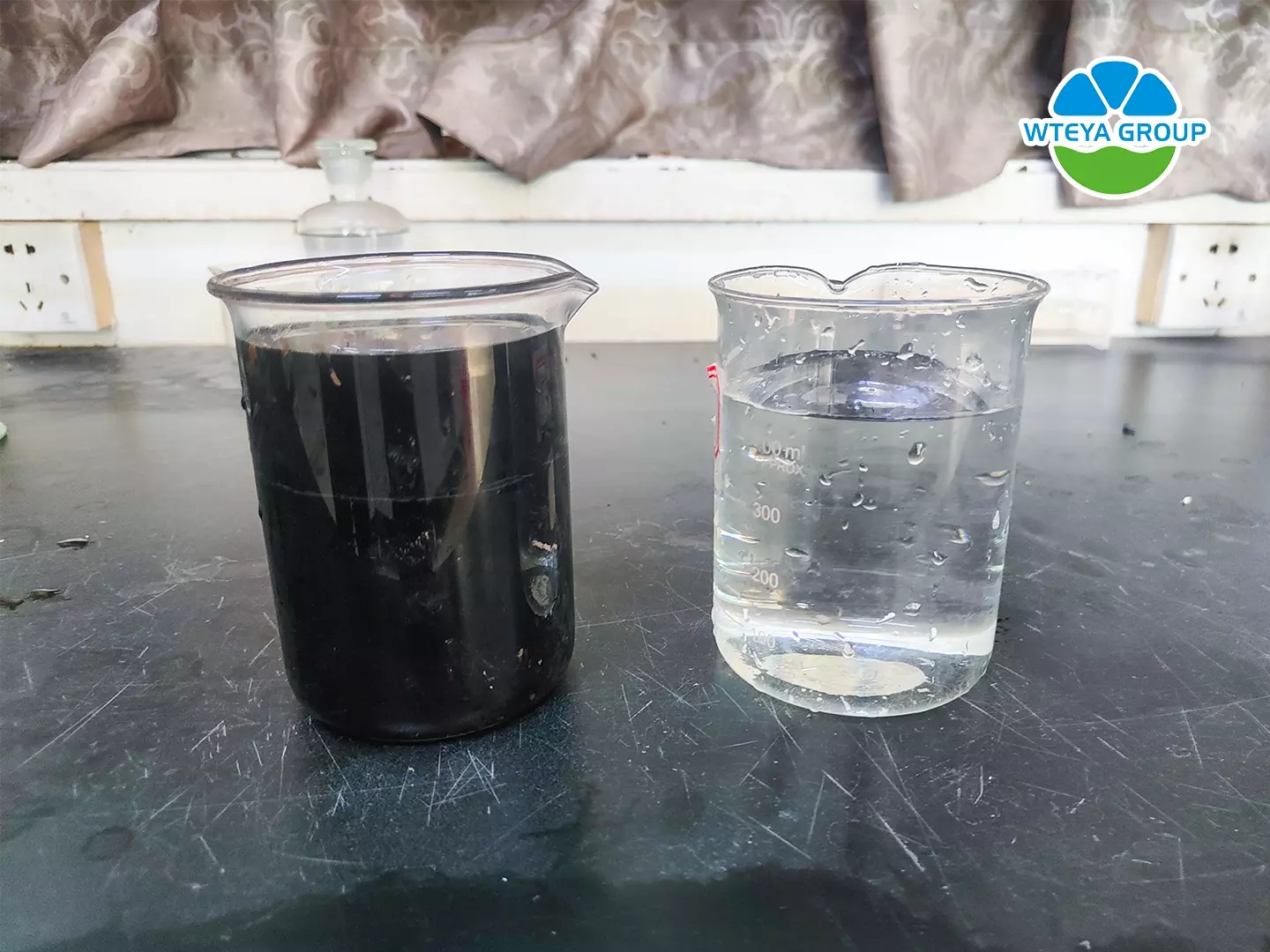
- Compliant effluent: All discharge water meets national and provincial environmental standards
- Water recycling: Distillate from MVR evaporation is recycled within the treatment process, reducing overall water consumption
- Energy savings: MVR technology delivers 30-60% energy savings compared to conventional thermal evaporation
- Reduced carbon footprint: No waste steam emissions, lower electricity consumption, minimized secondary waste transport
- Operational reliability: 99%+ system uptime with professional O&M management
Why WTEYA for Leachate Treatment
With nearly 20 years of experience in industrial wastewater treatment and evaporation technology, WTEYA has established itself as a leading provider of leachate treatment solutions across China. Our track record includes:
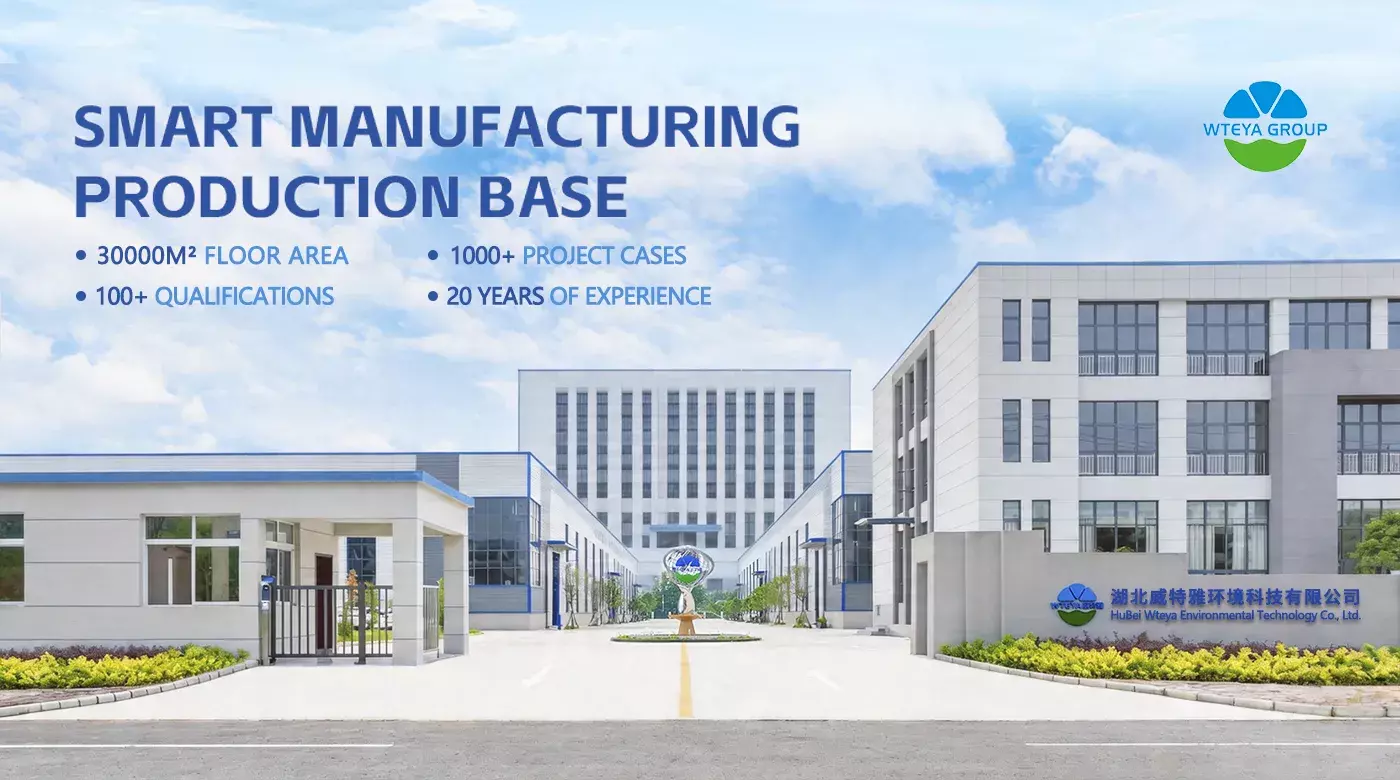
- 30,000 m² manufacturing facility in Hubei Jingmen
- 200+ successful wastewater treatment projects nationwide
- OEM and ODM capabilities for international partners
- Full "turnkey" project delivery — from design through commissioning to long-term O&M
- ISO 9001/14001/45001 certified quality management systems
- Nearly 200 patents across evaporation, crystallization, and separation technologies
Whether your challenge is landfill leachate, industrial wastewater, or process liquid concentration, WTEYA delivers solutions that are technically proven, economically optimized, and environmentally responsible. From 24 T/D to 150 m³/D and beyond — we scale with your needs.
Contact WTEYA today to discuss your leachate treatment requirements. Our engineering team will provide a customized process design, detailed cost analysis, and implementation timeline tailored to your specific project conditions.
Frequently Asked Questions
Q: What is an MVR evaporator?
A: MVR (Mechanical Vapor Recompression) evaporator is an energy-efficient evaporation technology that reduces energy consumption by 30-50% compared to traditional evaporation.
Q: How much energy can MVR save?
A: MVR evaporators typically reduce energy consumption by 30-50% compared to traditional multi-effect evaporators, using electricity instead of steam.
Q: What is the difference between MVR and multi-effect evaporator?
A: MVR uses mechanical vapor recompression for energy efficiency, while multi-effect evaporators use multiple evaporation stages. MVR has lower operating costs.
Let's Build Your Solution Together
Don't let wastewater challenges hold back your operations. WTEYA has helped 100+ manufacturers achieve compliance and reduce costs by up to 50%.
Request your free technical assessment and discover how we can optimize your landfill leachate process.
📲 WhatsApp: +86-1800 2840 855
📧 Email: info@wteya.com
🌐 Website: www.wteya.com