






Technical Challenges of Zero Liquid Discharge (ZLD) Systems in Metallurgical Wastewater Treatment
With increasingly stringent global environmental regulations, the metallurgical industry is entering an era of Zero Liquid Discharge (ZLD). Metallurgical wastewater is characterized by complex composition, multiple pollutants, and high discharge volume, requiring treatment systems that are highly efficient, stable, and environmentally compliant.
A Zero Liquid Discharge (ZLD) system aims to completely recover and reuse all water from wastewater streams without any liquid discharge. It aligns with national environmental protection standards and enables resource recovery.
However, despite its strong application potential, ZLD systems in metallurgy still face significant technical and operational challenges, including process design, energy consumption, and economic feasibility.
1. Characteristics of Metallurgical Wastewater and Treatment Difficulties
Metallurgical wastewater is generated from multiple production processes and is highly complex and contaminated.
1.1 High Salinity Content
Metallurgical wastewater often contains high concentrations of salts such as:
- Sodium chloride (NaCl)
- Sulfates (SO₄²⁻)
- Calcium salts (Ca²⁺)
High salinity leads to:
- Severe scaling in membrane systems
- Crystallization and clogging in evaporation processes
- Reduced system stability and efficiency
1.2 High Heavy Metal Concentration
Common heavy metals include:
- Copper (Cu)
- Zinc (Zn)
- Lead (Pb)
- Nickel (Ni)
- Chromium (Cr)
These metals:
- Pose serious environmental risks
- Corrode equipment such as membranes and evaporators
- Accelerate system aging under high temperature and pressure conditions
1.3 Organic Pollution
Industrial lubricants, cutting fluids, and cleaning agents introduce:
- High COD (Chemical Oxygen Demand)
- Oil contamination
Impacts include:
- Membrane fouling
- Reduced filtration performance
- Increased cleaning frequency and maintenance cost
1.4 pH Fluctuations
Wastewater pH may vary from acidic to alkaline conditions.
Effects:
- Changes in solubility of metals and salts
- Instability in chemical reactions
- Precipitation or re-dissolution of contaminants
2. Key Technical Challenges in ZLD Systems
2.1 Challenges in Membrane Technology
Membrane processes such as Reverse Osmosis (RO) and Nanofiltration (NF) are core components of ZLD systems.
(1) Membrane Fouling and Scaling
High salinity and metal ions cause:
- Calcium and magnesium scaling
- Pore blockage
- Reduced permeability and efficiency
Even with chemical cleaning, fouling cannot be fully eliminated.
(2) Flux Decline
Due to complex wastewater composition:
- Membrane flux decreases rapidly
- Frequent cleaning and replacement are required
- Operational costs increase significantly
(3) Heavy Metal Accumulation
Heavy metals:
- Accumulate on membrane surfaces
- Cause membrane aging and damage
- Are difficult to fully remove using conventional membrane technology
2.2 Challenges in Evaporation and Crystallization
Evaporation-crystallization is a key step in ZLD systems.
(1) High Energy Consumption
- Requires continuous heating
- Energy demand is extremely high
- Operational costs increase significantly
(2) Low Crystallization Efficiency
Due to complex salt mixtures:
- Crystallization behavior is unpredictable
- Mixed salts reduce separation efficiency
- Product quality becomes unstable
(3) Waste Salt Disposal
Challenges include:
- Complex salt composition
- High transportation and disposal cost
- Potential secondary environmental pollution
2.3 Energy Efficiency and Economic Feasibility
Although ZLD enables water recovery, it faces major economic constraints.
(1) High Energy Demand
Both membrane concentration and evaporation processes consume large amounts of energy, making energy optimization critical.
(2) High Operation and Maintenance Costs
- Membrane replacement and cleaning
- High-energy evaporation systems
- Waste salt handling and disposal
These factors significantly affect economic viability, especially in metallurgy industries with limited profit margins.
3. WTEYA’s Engineering Solutions
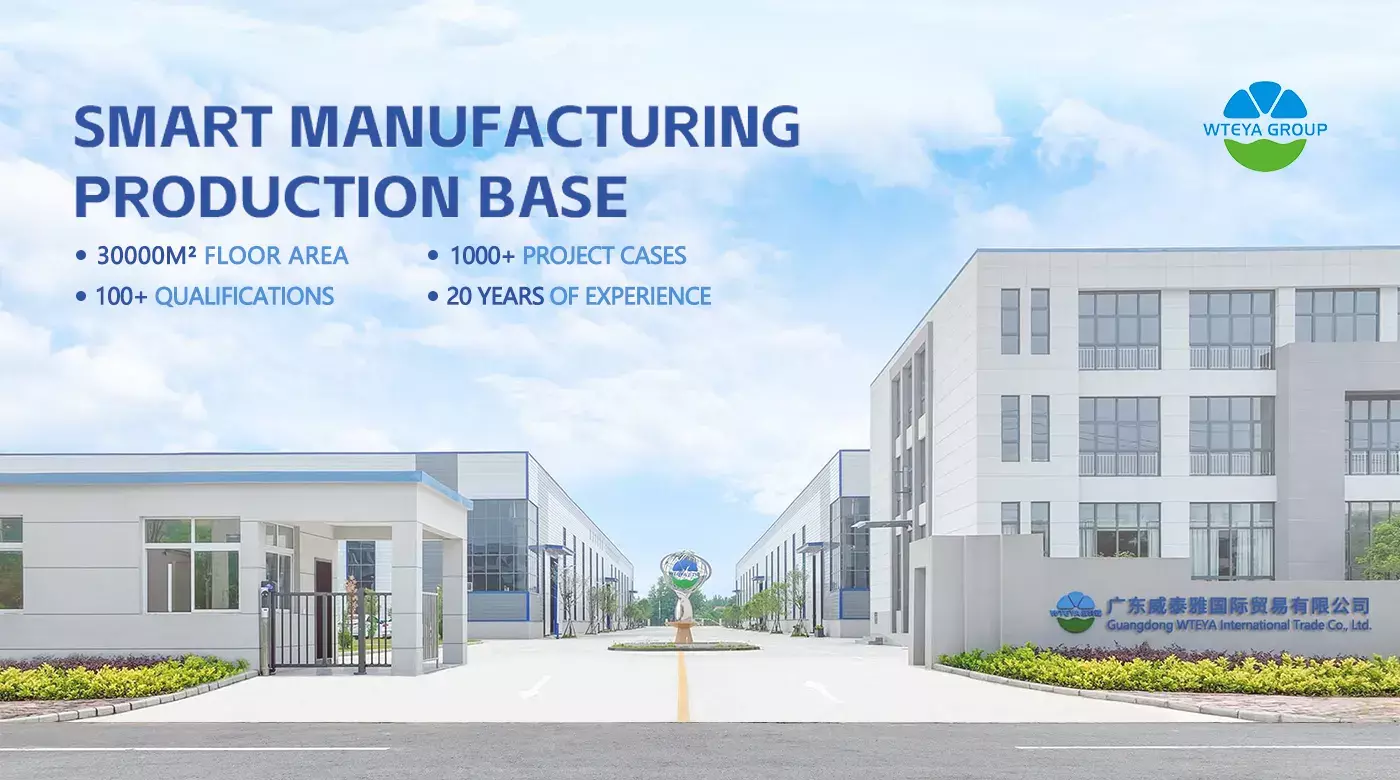
WTEYA has extensive experience in industrial wastewater treatment and provides targeted solutions for ZLD systems in metallurgy.
3.1 Multi-Stage Treatment and Pre-Treatment
- Separation of wastewater into multiple treatment stages
- Removal of heavy metals and high salinity at early stages
- Pre-treatment technologies such as:
- Dissolved air flotation (DAF)
- Sedimentation
- Activated carbon adsorption
This reduces the load on downstream systems.
3.2 Optimized Membrane System Design
WTEYA adopts:
- High anti-fouling membrane materials
- Anti-scaling technology
- Self-cleaning systems
- Online monitoring and automatic adjustment
These improvements:
- Reduce fouling
- Extend membrane lifespan
- Improve operational stability
3.3 Energy Efficiency Optimization
WTEYA improves system efficiency through:
- Multi-effect evaporation technology
- Waste heat recovery systems
- Optimized thermal design
These solutions significantly reduce energy consumption and improve economic performance.
4. Conclusion
Zero Liquid Discharge systems for metallurgical wastewater face challenges not only in technology but also in economics and operational stability. To achieve efficient and low-energy ZLD systems, enterprises must adopt appropriate technologies and ensure integration across all treatment stages. Through advanced system design and continuous optimization, WTEYA provides effective ZLD solutions that support industrial water recycling and environmental compliance.
Why Partner with WTEYA?
• Nearly 20 years of industry experience
• Trusted by global leaders including Foxconn, Huawei, Ganfeng Lithium, Ronbay Technology
• 100+ success cases worldwide
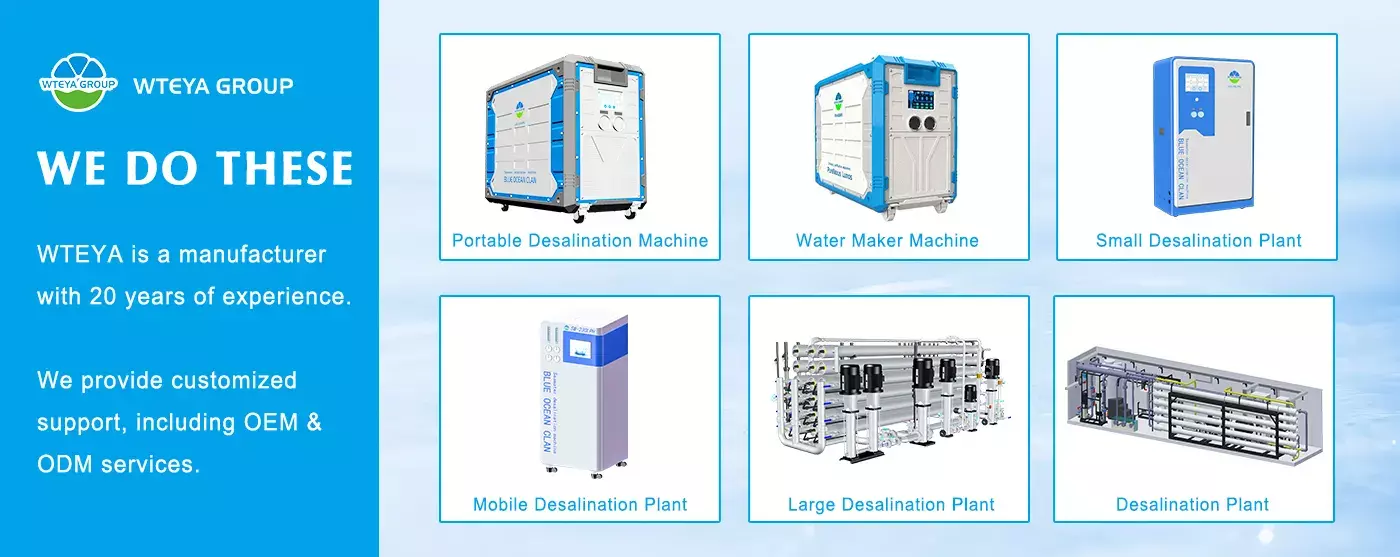
• OEM & ODM customization available
Become a WTEYA Distributor!
We are expanding global partnerships:
• Preferential policies
• Professional training
• Full technical support
Let us help you achieve exceptional water quality and operational sustainability!
📲 WhatsApp: +86-1800 2840 855
📧 Email: info@wteya.com
🌐 Website: www.wteya.com