






How Is Surface Wastewater Treated?
Step into any electroplating factory, aluminum anodizing workshop, or coating production line, and you'll see rows of cleaning tanks filled with constantly flowing water. This water washes away oils, acids, and metal ions from the surfaces of workpieces, transforming into a complex type of wastewater—surface wastewater. Unlike domestic sewage, surface wastewater is highly heterogeneous, containing heavy metals, strong acids and bases, surfactants, and various additives, making it challenging to treat and posing significant environmental risks.
So, how should surface wastewater be treated? Do all companies need to invest heavily in expensive equipment? Let’s dive into this topic.
1. Surface Wastewater: The “Toughest Nut” in Industrial Effluent
Surface wastewater mainly comes from metal processing, electronics manufacturing, and automotive parts industries, especially from pre-treatment and electroplating/coating processes. Many environmental managers in factories consider this type of wastewater the most difficult to handle due to fluctuating water quality, complex composition, and increasingly strict discharge regulations.
Typically, surface wastewater contains:
• Heavy metal ions: Chromium, nickel, copper, zinc, etc.—toxic and non-biodegradable.
• Acids and alkalis: Hydrochloric acid, sulfuric acid, sodium hydroxide—extremely low or high pH.
• Oils and organics: Emulsified oils, surfactants, brighteners from degreasing and plating processes.
• Suspended solids and phosphates: Precipitates from phosphating and nutrient salts.
If discharged directly, these contaminants harm aquatic life, damage soil structure, and contaminate groundwater. This is why regulators strictly monitor surface wastewater discharge.
2. Modern Treatment Processes for Surface Wastewater
Surface wastewater treatment is far more than just “chemical precipitation.” A complete treatment system usually consists of multiple staged processes.
Step 1: Equalization—Balancing Flow and Concentration
Freshly discharged wastewater varies in concentration and flow rate. An equalization tank is used to mix water from different periods, with aeration to prevent suspended solids from settling. This step stabilizes the water quality for downstream processes.
Step 2: Physicochemical Treatment—Targeting Heavy Metals
This is the core stage: dissolved heavy metals are converted into insoluble particles and then removed.
Typical process:
- Adjust pH with alkaline agents (different metals require different pH levels).
- Add coagulants like poly-aluminum chloride (PAC) and flocculants like polyacrylamide (PAM) to form visible flocs.
- Separate flocs in sedimentation tanks or flotation units; sludge settles to the bottom, and clarified water flows out.
In well-managed factories, this step can remove over 90% of heavy metals and suspended solids.
Step 3: Advanced Treatment—Preparing Water for Reuse
For companies aiming not only for discharge compliance but also water reuse, membrane technologies are applied:
• Ultrafiltration (UF): Removes fine suspended solids and colloids.
• Reverse osmosis (RO): Filters out dissolved salts and remaining heavy metals, producing water suitable for recycling.
Step 4: Evaporation and Concentration—Final Polishing
Even after RO, some concentrated brine remains. Conventional evaporators consume significant energy, but MVR (Mechanical Vapor Recompression) evaporators reuse heat from water vapor, significantly reducing costs.
• Low-temperature evaporators (~37°C) are suitable for heat-sensitive or foamy liquids, operating safely and quietly.
WTEYA has decades of experience in applying these evaporators to electroplating wastewater and cutting fluid concentration.
3. Choosing the Right Treatment Process
Not every plant needs the most complex system. Selection depends on discharge standards, water volume, and wastewater quality.
Scenario 1: Compliant discharge, small water volume, moderate pollution
• Process: Equalization → Neutralization → Coagulation & Sedimentation → Sand Filtration → Discharge
• Low equipment cost, easy operation
Scenario 2: Partial water reuse, reduce fresh water consumption
• Process: Physicochemical → UF → RO → Reuse in production
• RO concentrate can be sent to municipal wastewater or evaporated
Scenario 3: Zero discharge or high salinity wastewater
• Process: Triple pre-treatment → Softening → MVR Evaporation & Crystallization → Condensed water reused
• Produces minimal waste; highest investment but mandatory in strict regulatory areas
4. Key Points Often Overlooked
• Segregation is crucial: High-concentration wastewater should not be mixed with low-concentration water.
• Sludge is hazardous: Contains heavy metals; must be handled by qualified disposal units.
• Routine maintenance matters: Calibrate dosing pumps, clean pH probes, backwash membranes, descale evaporators—well-maintained equipment lasts longer.
5. Conclusion
Surface wastewater treatment is not about installing a single set of equipment—it requires process design tailored to actual water quality, some chemical understanding, and proactive management.
Environmental compliance is not merely an expense—it can yield benefits: reduced fresh water usage and lower wastewater discharge costs. With thoughtful design and maintenance, companies can achieve compliance and operational efficiency simultaneously.
Why Partner with WTEYA?
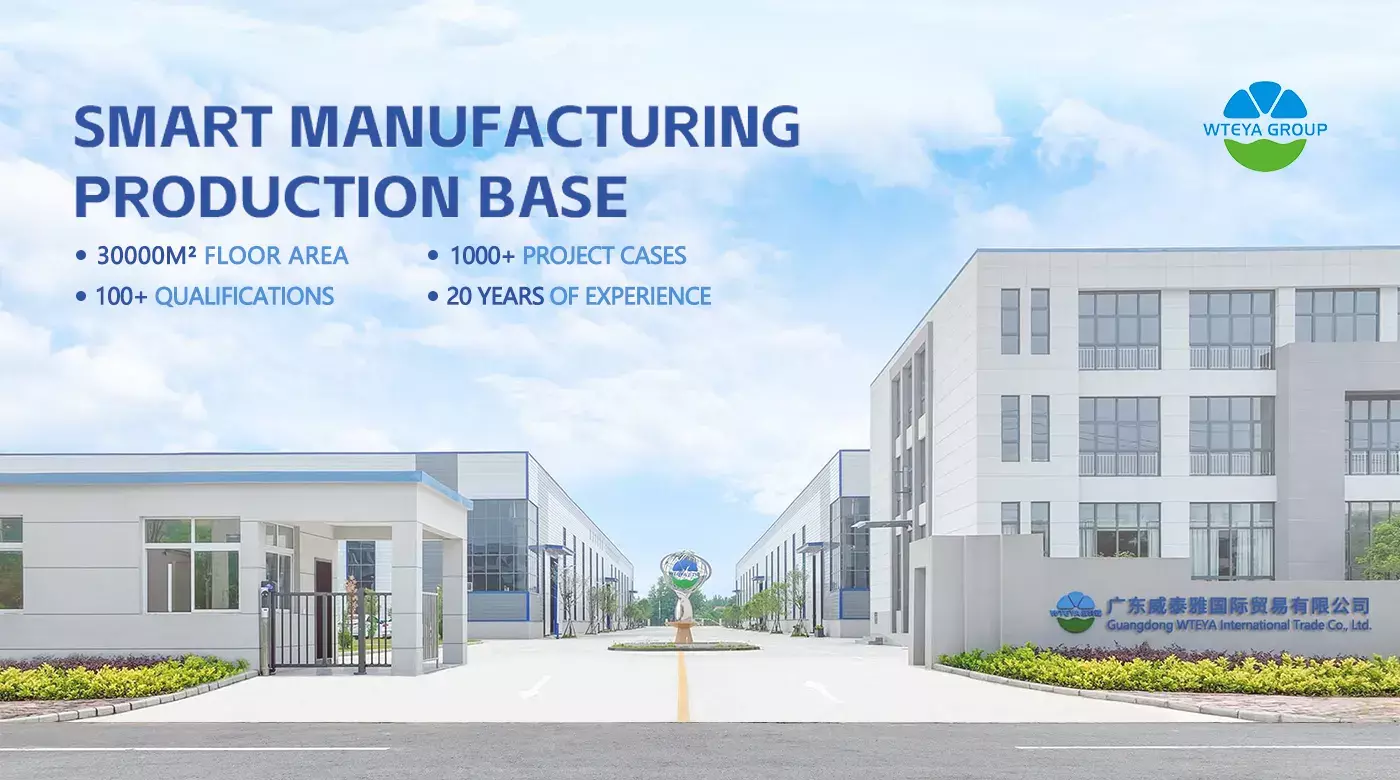
• Nearly 20 years of industry experience
• Trusted by global leaders including Foxconn, Huawei, Ganfeng Lithium, Ronbay Technology
• 100+ success cases worldwide
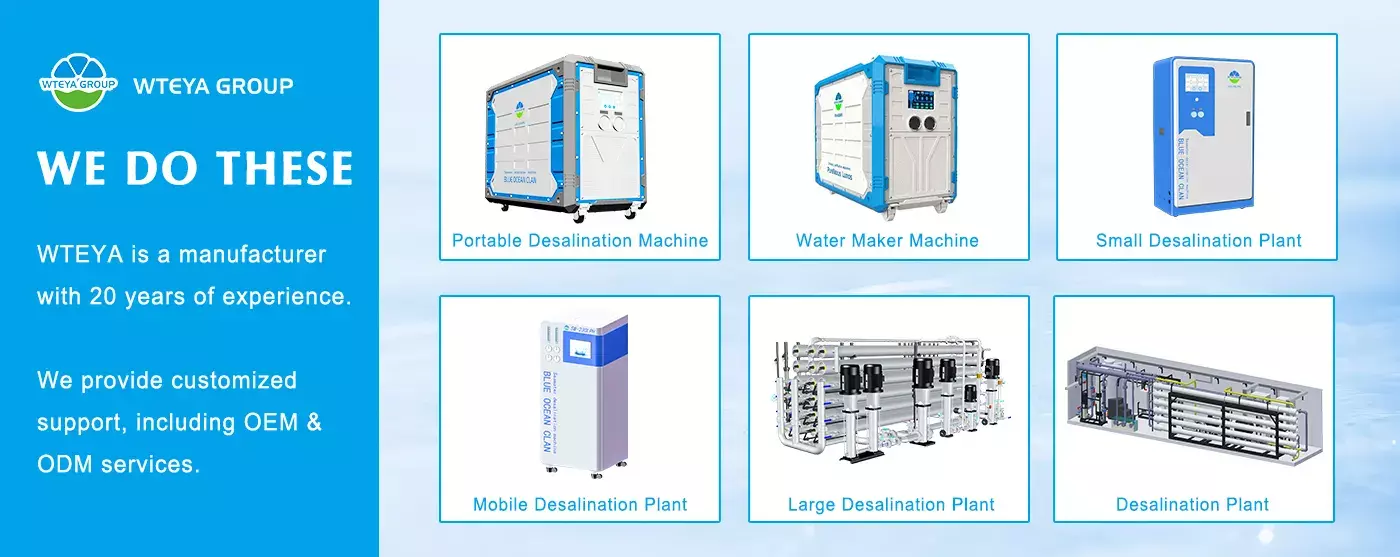
• OEM & ODM customization available
Become a WTEYA Distributor!
We are expanding global partnerships:
• Preferential policies
• Professional training
• Full technical support
Let us help you achieve exceptional water quality and operational sustainability!
📲 WhatsApp: +86-1800 2840 855
📧 Email: info@wteya.com
🌐 Website: www.wteya.com