






How Can Industrial Enterprises Achieve Efficient and Sustainable Wastewater Treatment?
With the rapid development of industrial manufacturing, water consumption is continuously increasing, while environmental regulations are becoming increasingly stringent. For industries such as chemicals, electronics, new energy, electroplating, pharmaceuticals, and food processing, industrial wastewater treatment is no longer just about meeting discharge standards. It has become a key factor affecting production stability, operational costs, and long-term business development.
In the past, many companies viewed wastewater treatment as a necessary environmental investment and focused mainly on whether wastewater could meet discharge requirements. However, with stricter environmental policies and rising water resource costs, enterprises are now seeking more efficient, economical, and sustainable wastewater management solutions.
A truly advanced wastewater treatment system should not only remove pollutants but also help enterprises achieve:
• Reduce freshwater consumption;
• Improve wastewater recovery and reuse rates;
• Minimize environmental compliance risks;
• Reduce long-term operating costs;
• Achieve green and sustainable production.
As a professional industrial water treatment solution provider, WTEYA has developed an intelligent water management system that integrates wastewater treatment, water resource recovery, and Zero Liquid Discharge (ZLD) technologies. Through an integrated design approach, the system helps enterprises build an efficient, intelligent, and stable water recycling management system.
Why Do Industrial Enterprises Need to Upgrade Their Wastewater Treatment Methods? 💧
In traditional industrial production models, enterprises usually manage wastewater through the process of:
Water consumption → Wastewater generation → Treatment → Discharge
Although this approach can meet basic environmental requirements, companies gradually face increasing challenges as production expands.
On one hand, industrial manufacturing requires large amounts of water for equipment cleaning, production processes, cooling systems, and other operations. If wastewater cannot be effectively recovered and reused, enterprises must continuously purchase large quantities of freshwater, increasing production costs.
On the other hand, wastewater treatment involves various operating expenses, including:
| Cost Type | Impact on Enterprises |
|---|---|
| Freshwater purchase costs | Increase production expenses |
| Chemical consumption costs | Raise daily operating costs |
| Sludge treatment costs | Increase environmental protection expenses |
| Equipment maintenance costs | Affect long-term operational efficiency |
Furthermore, as environmental regulations continue to become stricter, enterprises must not only meet current discharge standards but also prepare for future compliance requirements. Therefore, industrial wastewater management is gradually shifting from traditional “end-of-pipe treatment” toward “resource recycling and reuse.”
What Are the Main Challenges of Industrial Wastewater Treatment? ⚠️
Different industries generate wastewater with different characteristics, resulting in varying treatment difficulties.
For example:
• Electroplating wastewater often contains heavy metals such as chromium, nickel, and copper;
• New energy industry wastewater may contain high salt levels, fluoride, and complex chemical substances;
• Chemical industry wastewater may contain large amounts of difficult-to-degrade organic pollutants.
These complex pollutants create several major challenges for industrial wastewater treatment.
1. Complex Wastewater Composition and High Treatment Difficulty
During industrial production, raw materials, additives, and chemical agents may enter wastewater streams, resulting in multiple types of pollutants. A single treatment method is often unable to effectively remove all contaminants. Therefore, wastewater treatment systems must be customized according to specific water quality characteristics and combine multiple treatment technologies.
2. Large Water Quality Fluctuations Require High System Stability
Many manufacturing companies produce different products, and wastewater characteristics may change depending on production processes and operating conditions.
Without automatic adjustment capabilities, wastewater treatment systems may experience:
• Fluctuations in treated water quality;
•Unstable equipment operation;
• Reduced treatment efficiency.
3. Increasingly Strict Environmental Requirements
Today, enterprises are facing not only current discharge standards but also increasingly strict environmental supervision.
If wastewater treatment systems cannot maintain stable operation over the long term, companies may face:
• Environmental penalties;
• Production suspension for rectification;
• Damage to corporate reputation.
Therefore, a reliable industrial wastewater treatment system must balance:
Environmental compliance + Operational stability + Economic efficiency
How Does WTEYA Wastewater Treatment Help Enterprises Achieve Intelligent Water Management? 🌊
To meet the growing demand for efficient wastewater treatment and water recycling, WTEYA has developed an intelligent water management system.
This system is not simply wastewater treatment equipment, but a comprehensive water resource management solution.
By combining multiple advanced treatment technologies, the system helps enterprises achieve:
✅ Advanced wastewater purification
✅ Water resource recycling and reuse
✅ Reduced discharge pressure
✅ Improved production water efficiency
✅ Zero Liquid Discharge (ZLD) targets
WTEYA aims to transform wastewater from a traditional “environmental burden” into a valuable resource that supports sustainable industrial development.
Improve Water Recovery Rates and Reduce Water Costs ♻️
For industrial enterprises, reducing water consumption is an important way to lower operational expenses. WTEYA intelligent water management systems use advanced separation, concentration, and purification technologies to effectively recover wastewater generated during production.
Depending on project requirements, the system can achieve up to 98% process water recovery rate.
This allows enterprises to:
• Reduce freshwater consumption;
• Lower production water costs;
• Improve overall water utilization efficiency.
Traditional Wastewater Management Model:
Production water → Usage → Wastewater generation → Treatment → Discharge
Intelligent Water Recycling Model:
Production water → Usage → Wastewater treatment → Purification recovery → Reuse in production
This recycling approach not only reduces resource waste but also helps enterprises establish a more environmentally friendly and efficient production system.
Stable Environmental Compliance and Reduced Business Risks
Environmental compliance is the foundation of long-term industrial development. With increasingly strict regulations, enterprises need more than temporary compliance. They need wastewater treatment systems that can operate reliably and continuously. WTEYA intelligent water management systems are customized according to different industrial wastewater characteristics. Through optimized treatment processes, the system reduces pollutant concentrations and improves operational stability.
The system helps enterprises address risks such as:
| Environmental Challenges | Solutions |
|---|---|
| High wastewater discharge pressure | Improve treatment efficiency |
| Excessive water resource consumption | Enable water recycling |
| Difficult-to-treat pollutants | Apply integrated treatment technologies |
| Higher discharge standards | Enhance treatment capabilities |
With stable and reliable operation, enterprises can reduce environmental risks while preparing for future regulatory requirements.
Intelligent Automation Control Ensures Stable System Operation 🤖
Industrial production often requires continuous operation, which means wastewater treatment systems must maintain high reliability. Traditional wastewater treatment systems often rely heavily on manual experience. When water quality changes or production loads fluctuate, operators need to frequently adjust operating parameters.
WTEYA adopts intelligent control systems that can automatically monitor equipment performance and optimize operating parameters according to real-time conditions.
Intelligent management helps enterprises:
• Reduce manual operation pressure;
• Improve system efficiency;
• Simplify equipment maintenance;
• Ensure long-term stable operation.
For large-scale industrial enterprises, automated wastewater treatment systems can effectively reduce production risks caused by wastewater management issues.
Why Is Zero Liquid Discharge Becoming a Future Trend in Industrial Wastewater Treatment? 🌍
Zero Liquid Discharge (ZLD) is becoming an important development direction in industrial water treatment.
Traditional wastewater treatment mainly focuses on pollution reduction, while ZLD focuses on maximizing resource recovery.
Through technologies such as:
• Concentration;
• Separation;
• Evaporation;
• Crystallization;
enterprises can significantly reduce liquid waste discharge while recovering valuable water resources.
Zero Liquid Discharge helps enterprises achieve:
• Higher water resource utilization;
• Lower environmental impact;
• Stronger environmental competitiveness.
For industries facing water shortages or strict environmental regulations, ZLD has become an important solution for sustainable development.
Conclusion: Turning Wastewater Treatment into a New Business Advantage 🌱
In the future, industrial competitiveness will depend not only on production capacity but also on resource management capabilities.
An efficient industrial wastewater treatment system can help enterprises:
• Meet environmental requirements;
• Reduce long-term operating costs;
• Improve resource utilization efficiency;
• Build sustainable production systems.
Through WTEYA intelligent water management systems, enterprises can achieve high water recovery rates, stable environmental compliance, and intelligent operation management. By transforming wastewater treatment from a traditional cost investment into a strategic business asset, WTEYA helps industrial companies move toward greener production, lower operating costs, and stronger market competitiveness. For enterprises seeking sustainable growth, choosing advanced wastewater treatment solutions will become a critical step toward future success. 🌱
Why Partner with WTEYA?
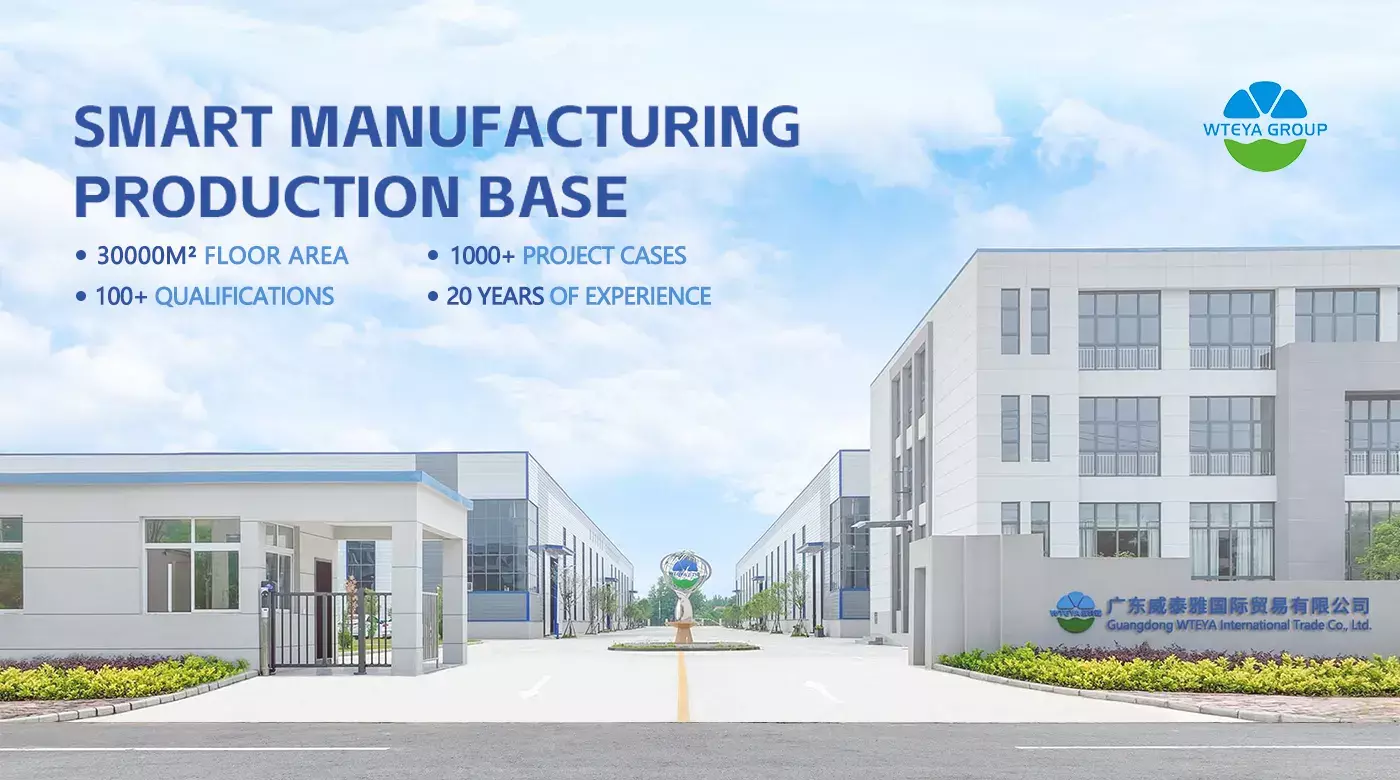
• Nearly 20 years of industry experience
• Trusted by global leaders including Foxconn, Huawei, Ganfeng Lithium, Ronbay Technology
• 100+ success cases worldwide
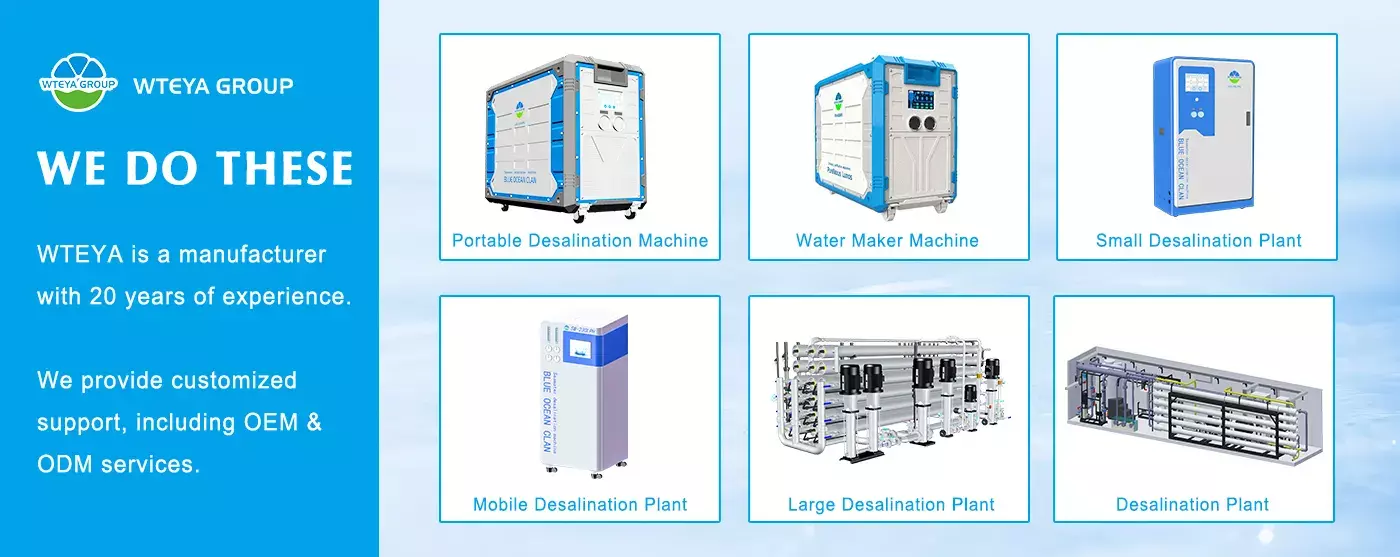
• OEM & ODM customization available
Become a WTEYA Distributor!
We are expanding global partnerships:
• Preferential policies
• Professional training
• Full technical support
Let us help you achieve exceptional water quality and operational sustainability!
📲 WhatsApp: +86-1800 2840 855
📧 Email: info@wteya.com
🌐 Website: www.wteya.com