






The Real Challenge of PCB Wastewater Treatment: Achieving Stable Compliance and Zero Liquid Discharge in Complex Pollution Systems
In the global manufacturing industry, wastewater treatment in the PCB sector has long been regarded as one of the most challenging scenarios in industrial water management. This difficulty does not stem from the concentration of a single pollutant, but from the coexistence of multiple contaminants within the same system, where they interact, interfere, and continuously evolve under real operating conditions.
PCB manufacturing wastewater typically contains heavy metal ions such as copper and nickel, along with high concentrations of organic substances, complexing agents, and various additives. Wastewater generated from different production processes varies significantly in chemical characteristics, yet is often combined into a single treatment system. This highly coupled pollution structure is the fundamental reason why PCB wastewater is difficult to treat in a stable and consistent manner.
WTEYA’s core approach to PCB wastewater solutions is not focused on maximizing the removal of a single parameter. Instead, it aims to reconstruct the operational logic of the entire treatment system, ensuring controllability under complex, fluctuating, and long-term operating conditions.
PCB Wastewater Treatment Failures Are Often Due to System Logic, Not Technology
In many PCB wastewater treatment projects, the issue does not lie in the inefficiency of a specific treatment unit, but in structural imbalances at the system level. The coexistence of heavy metals and organic pollutants leads to mutual interference during treatment: metal ions can destabilize organic treatment processes, while organic complexes reduce the efficiency of metal removal.
When all wastewater streams are simply mixed and treated uniformly, the system is forced to operate under high chemical consumption, heavy load, and high uncertainty. While this approach may meet discharge standards in the short term, it almost inevitably results in rising energy consumption, fluctuating treatment performance, and uncontrolled maintenance costs over time.
Therefore, the key to PCB wastewater management is not adding more treatment steps, but establishing the correct system structure and pollution control sequence.
Segregated Treatment Is Not Optional, but Fundamental
WTEYA’s solution rejects the concept of a single treatment pathway from the outset. Instead, it adopts segregated treatment as a fundamental design principle. Wastewater streams from different sources are separated based on their pollution characteristics, allowing heavy metals, organic pollutants, and interfering substances to be treated under suitable process conditions.
This segregation is not merely physical separation, but an engineering decision based on long-term operational stability. Only when pollution loads are properly decomposed can downstream treatment units operate within stable ranges, avoiding interference between processes.
On this basis, the true value of precise pretreatment becomes evident. Pretreatment is not simply the first removal step, but a protection mechanism for the entire system, designed to eliminate factors that could disrupt key equipment and core processes.
Heavy Metal Removal Is Essentially System Load Reduction
In PCB wastewater, heavy metals such as copper and nickel are not only discharge control targets but also critical variables affecting overall system stability. If they are not effectively and consistently controlled, all downstream processes will face increased operational risks.
WTEYA adopts a highly controllable chemical precipitation pathway, using precise reaction management to capture and separate heavy metal ions at the front end of the system. In practical applications, this process achieves effective removal efficiency. Its value lies not only in meeting discharge standards, but also in reducing unnecessary system load. Once heavy metal concentrations are stabilized and removed, the operational window of the entire system expands significantly, and the treatment logic becomes much clearer.
Organic Pollutant Treatment Requires Moving Beyond Single Removal Metrics
Organic pollutants in PCB wastewater are highly complex. Conventional treatment methods often deliver limited results, not because the pollutants cannot be removed, but because their molecular structures and reaction pathways are difficult to break down under standard conditions.
WTEYA introduces advanced oxidation technologies to address this challenge. The goal is not merely to reduce COD levels, but to fundamentally alter the form in which organic pollutants exist within the system. By breaking down complex molecular structures, these pollutants are transformed into more manageable states, enabling stable downstream processing.
The true value of this approach lies in improving overall system controllability, rather than simply optimizing a single performance indicator.
Zero Liquid Discharge Is Not the End Goal, but a Reflection of System Capability
As global water resource pressure continues to intensify, water reuse and zero liquid discharge (ZLD) are no longer optional goals for the PCB industry—they are becoming strategic necessities.
WTEYA integrates advanced membrane treatment with MVR (Mechanical Vapor Recompression) evaporation technology, transforming wastewater management from discharge control into resource management.
The MVR evaporation system recovers secondary steam energy, making the treatment of high-concentration wastewater both energy-efficient and economically viable. Treated water is converted into high-quality reclaimed water and reused in production, while salts are crystallized into solid form for compliant disposal. In real-world applications, this approach achieves high water reuse rates. Its significance lies not only in reducing discharge, but in redefining how enterprises manage water resources.
Truly Mature Solutions Must Withstand Long-Term Operation
PCB wastewater treatment is not a one-time project, but a long-term operational system. Any solution that ignores operational fluctuations, maintenance burden, and safety margins will struggle to perform sustainably in real industrial environments.
WTEYA’s integrated PCB wastewater solution represents a system engineering capability: by properly decomposing pollution loads, establishing clear treatment boundaries, and introducing efficient and controllable technologies at key stages, the system remains stable and predictable over extended operational cycles.
Conclusion:
In PCB wastewater treatment, the real challenge is not the availability of technology, but whether these technologies are organized under the correct system logic.
When treatment goals evolve from simple compliance to a combination of stable operation, resource recovery, and zero liquid discharge, wastewater management is no longer a supporting function—it becomes a core capability for sustainable industrial development. WTEYA adopts a system engineering perspective to deliver PCB wastewater solutions, providing global PCB manufacturers with a pathway that is stable, scalable, and sustainable over the long term.
Why Partner with WTEYA?
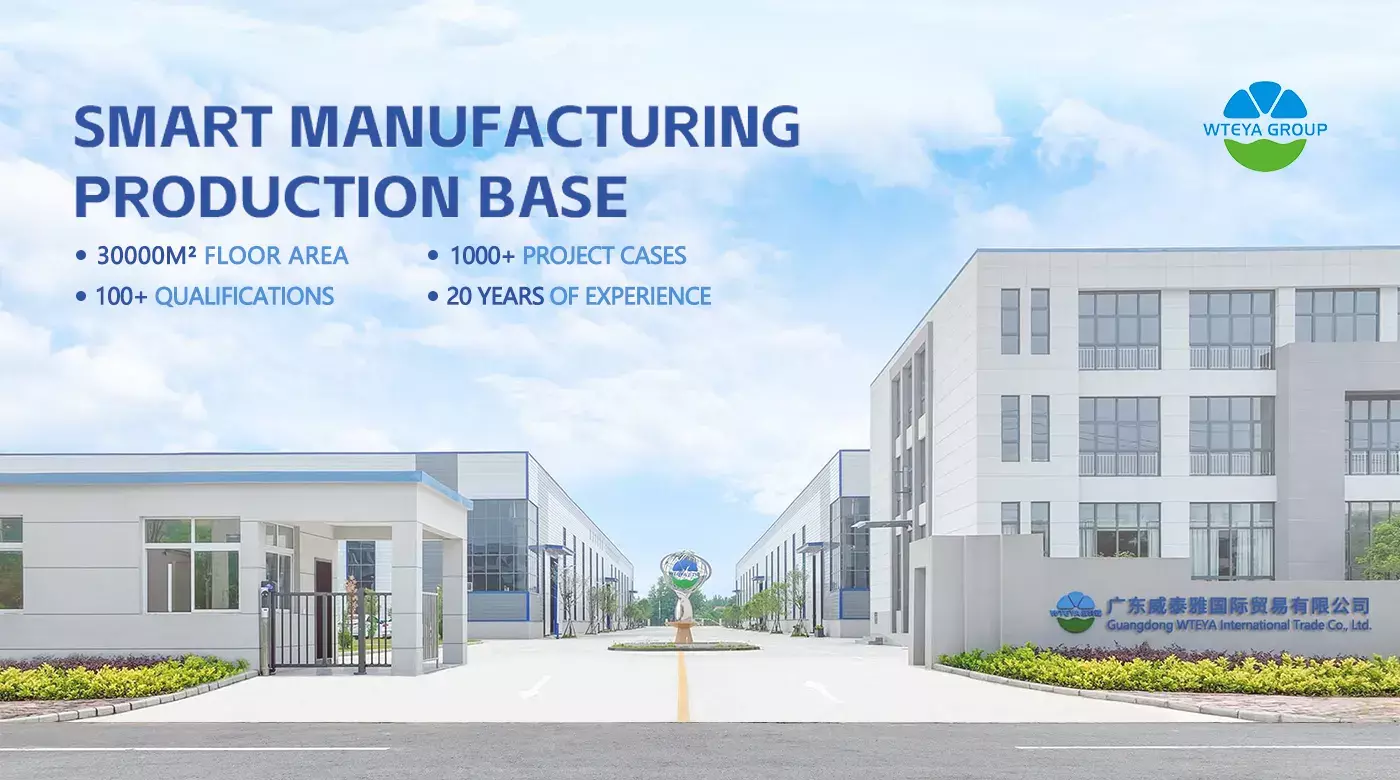
• Nearly 20 years of industry experience
• Trusted by global leaders including Foxconn, Huawei, Ganfeng Lithium, Ronbay Technology
• 100+ success cases worldwide
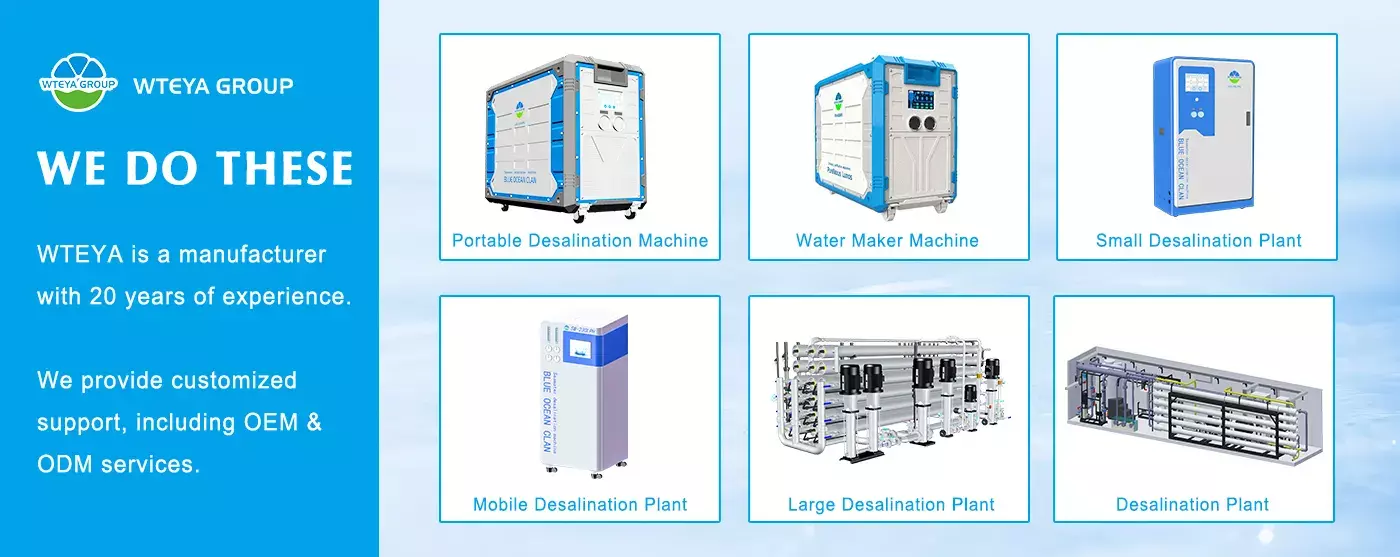
• OEM & ODM customization available
Become a WTEYA Distributor!
We are expanding global partnerships:
• Preferential policies
• Professional training
• Full technical support
Let us help you achieve exceptional water quality and operational sustainability!
📲 WhatsApp: +86-1800 2840 855
📧 Email: info@wteya.com
🌐 Website: www.wteya.com