






How to Ensure Water Quality Meets Process Requirements in Cutting Fluid Wastewater Reuse?
Cutting fluid wastewater reuse has become an increasingly important strategy for metal processing factories aiming to reduce operating costs and achieve sustainable production. By recycling wastewater, companies can significantly lower fresh cutting fluid consumption, reduce discharge volumes, and improve overall resource efficiency.
However, achieving stable and compliant water quality in reuse systems is far more complex than simple wastewater treatment. Based on extensive engineering experience, WTEYA has found that maintaining consistent water quality stability is the real technical challenge in cutting fluid wastewater reuse systems.
1. Complexity and Challenges of Cutting Fluid Wastewater
Cutting fluid wastewater contains a highly complex mixture of components, including mineral oil, surfactants, metal particles, suspended solids, colloids, and chemical additives. Compared with other industrial wastewater types, its emulsified structure makes treatment significantly more difficult.
The presence of surfactants stabilizes oil-water emulsions, forming fine and stable emulsified oil droplets that are difficult to separate using conventional physical methods such as sedimentation or flotation.
As a result, untreated or poorly treated emulsified wastewater may lead to:
• Incomplete oil-water separation and turbid recycled water
• Severe membrane fouling in downstream filtration systems
• Large fluctuations in COD (Chemical Oxygen Demand) values
Therefore, efficient emulsion breaking and oil separation is the first critical step in ensuring stable reuse water quality.
2. Key Problems in Wastewater Reuse Systems
2.1 Incomplete Emulsion Breaking
If emulsified oil is not fully broken down, downstream treatment systems will face continuous operational stress. Fine oil particles can easily pass through conventional separation systems and accumulate in membrane units, significantly reducing their service life.
2.2 High Organic Load and COD Instability
Cutting fluid wastewater contains not only oils but also organic additives, oxidation residues, and fine metal particles. Without proper removal, COD levels fluctuate significantly, directly affecting the stability of reused water and increasing the risk of system contamination.
2.3 Suspended Solids and Metal Particles
Metal debris and suspended solids can clog filtration systems, increase maintenance frequency, and negatively impact production quality. Long-term accumulation may also accelerate equipment wear.
2.4 Water Quality Fluctuation from Multiple Sources
Wastewater from different machines and production lines often varies in composition. Without proper homogenization and control, these fluctuations directly affect the stability of the reuse system.
3. Optimized Solution for Stable Water Reuse
To address these challenges, WTEYA provides a systematic cutting fluid wastewater reuse solution focused on multi-stage treatment and real-time control.
3.1 Pre-Treatment and Emulsion Breaking
The first stage focuses on stabilizing influent water quality:
• Chemical demulsification: Breaks stable oil-water emulsions and releases free oil
• Air flotation system: Removes large oil droplets and suspended solids
• Sedimentation tank: Separates heavy particles through gravity
This stage effectively reduces oil concentration and stabilizes incoming wastewater conditions.
3.2 COD Reduction and Water Stabilization
To ensure long-term stability of reuse water, WTEYA integrates multiple purification technologies:
• Ultrafiltration (UF) membranes: Remove fine particles and partial organic matter
• Activated carbon adsorption: Adsorbs dissolved organic compounds and odors
• Multimedia filtration: Further improves water clarity and quality
These processes significantly reduce COD levels and improve system stability.
3.3 Metal Particle and Suspended Solid Removal
Metal contamination is a major risk factor in reuse systems. WTEYA applies:
• Precision filtration units for micro-particle removal
• Magnetic separation systems for metal particle extraction
This ensures protection of downstream membrane systems and improves overall water quality reliability.
3.4 Online Monitoring and Automatic Control System
To maintain consistent output quality, WTEYA integrates real-time monitoring systems that track:
• COD levels
• Turbidity
• Conductivity
The system automatically adjusts operational parameters based on real-time data, ensuring stable and compliant water quality output at all times.
4. WTEYA Advantages and Project Experience
With years of experience in industrial wastewater treatment, WTEYA has successfully delivered solutions to multiple manufacturing enterprises. Key benefits include:
• Improved water quality stability and consistency
• Reduced operating and maintenance costs
• Extended membrane system lifespan
• Lower cleaning frequency and higher operational efficiency
Through system-level engineering design, WTEYA ensures reliable long-term wastewater reuse performance.
5. Conclusion
Cutting fluid wastewater reuse is not a simple treatment process but a comprehensive engineering system. Stability of water quality depends on coordinated control of emulsion breaking, COD removal, solid separation, and intelligent monitoring.
WTEYA provides a proven and systematic solution that ensures long-term stable, efficient, and compliant wastewater reuse, helping manufacturers achieve both economic and environmental benefits.
Why Partner with WTEYA?
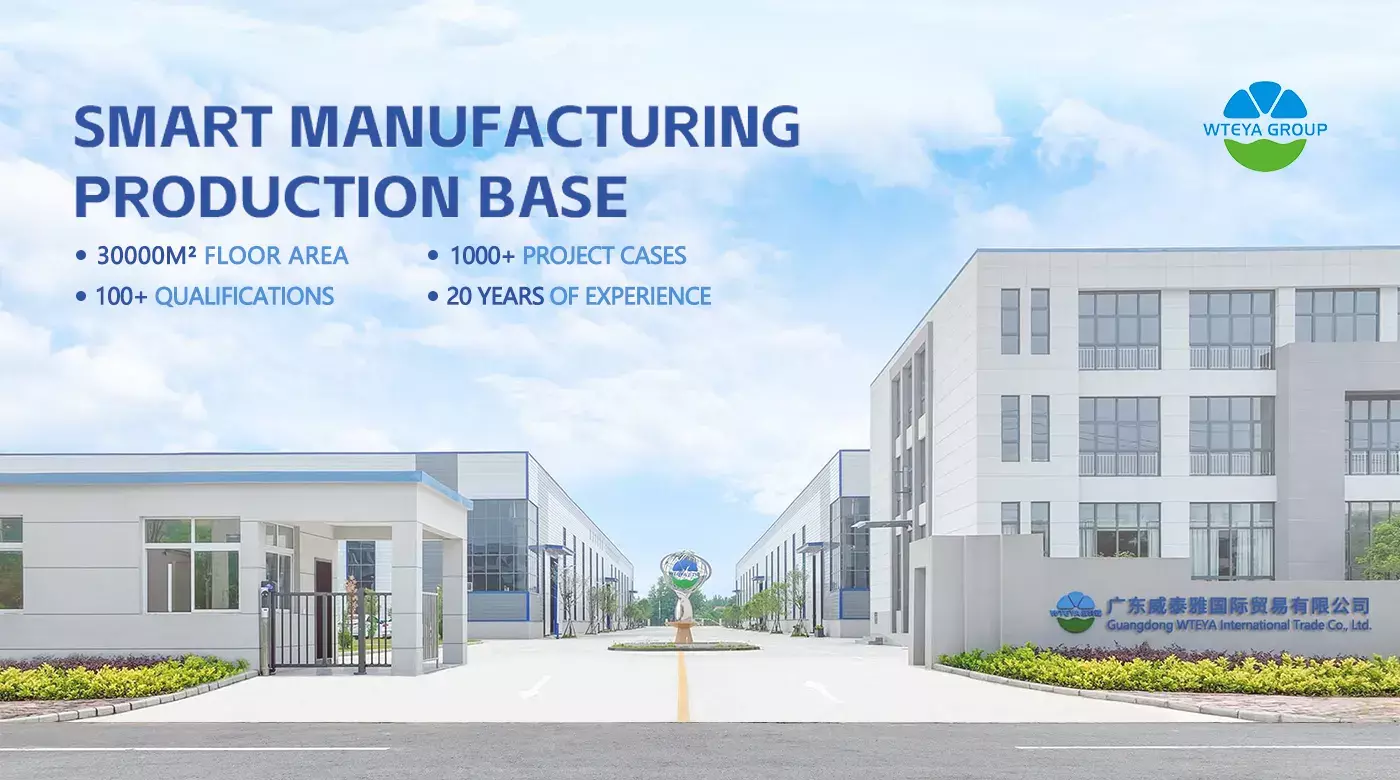
• Nearly 20 years of industry experience
• Trusted by global leaders including Foxconn, Huawei, Ganfeng Lithium, Ronbay Technology
• 100+ success cases worldwide
• OEM & ODM customization available
Become a WTEYA Distributor!
We are expanding global partnerships:
• Preferential policies
• Professional training
• Full technical support
Let us help you achieve exceptional water quality and operational sustainability!
📲 WhatsApp: +86-1800 2840 855
📧 Email: info@wteya.com
🌐 Website: www.wteya.com