







Why Energy-Saving Reverse Osmosis Systems Are Becoming Indispensable in Manufacturing?
As manufacturing increasingly demands high-quality water and energy efficiency, traditional water treatment methods have revealed limitations such as high energy consumption, low efficiency, and unstable water supply. Against this backdrop, energy-saving reverse osmosis (RO) systems have become a critical technology for modern industrial facilities. Particularly for RO water plants and industrial RO facilities, these systems not only provide high-purity water but also optimize energy use and water management, supporting enterprises’ sustainable development.
This article compares traditional systems with energy-saving RO systems, analyzes their value in manufacturing applications, and explores technological trends for 2026.
Traditional Systems vs. Energy-Saving RO Systems
| Indicator | Traditional Water Treatment System | Energy-Saving RO System (High-Efficiency RO Membrane + Intelligent Control) |
|---|---|---|
| Energy Consumption | High, high energy per unit of water | Low, optimized with intelligent control |
| Water Quality Stability | Fluctuating, heavily affected by source water | Stable, meets standards for pharmaceuticals, food, and electronics |
| Wastewater Recovery | Difficult, water resources wasted | High-efficiency concentrate recovery, reclaiming salts and resources |
| System Maintenance | Frequent, high costs | Long maintenance cycles, intelligent monitoring reduces manual intervention |
| Modular Expansion | Inflexible, difficult to scale | Modular design, flexible expansion and customization |
| ROI | Long payback period | High, energy and resource savings provide long-term benefits |
The comparison clearly shows that energy-saving RO systems outperform traditional systems in energy consumption, water quality, wastewater handling, and maintenance. For manufacturing companies, investing in high-efficiency RO systems is not only a technological upgrade but also a strategic move for long-term cost optimization and sustainable development.
Applications of Energy-Saving RO Systems in Manufacturing
1. Pharmaceutical Industry
Pharmaceutical production requires extremely high water quality, including purified water, water for injection, and lab water in compliance with GMP standards. Traditional water treatment is sensitive to source water fluctuations, posing production risks.
WTEYA’s RO systems combine advanced RO membranes with high-pressure pumps to deliver continuous, stable high-purity water while using intelligent control to reduce energy consumption and increase reliability.
2. Electronics Manufacturing
Processes such as chip cleaning and PCB production demand ultra-low ion content. Energy-saving RO systems not only ensure water purity but also reduce water consumption through wastewater recovery, lowering production costs and environmental impact.
3. Food & Beverage Industry
High-quality water is crucial for safety and taste in beverages, dairy, and condiments. High-efficiency RO systems provide stable water quality and modular designs that adapt to varying production volumes, achieving both energy savings and optimized water resource usage.
4. Chemical and Metal Processing
Chemical and metal processing industries often generate high-salinity wastewater and chemical residues. Energy-saving RO systems can efficiently recover concentrated wastewater, reduce effluent discharge, and reclaim usable salts or chemicals, delivering both economic and environmental benefits.
Technology Comparison: Traditional RO vs. High-Efficiency Energy-Saving RO
-
Traditional RO Systems: High energy consumption, rely on a single high-pressure pump, limited recovery rate, difficult wastewater management, frequent maintenance.
-
Energy-Saving RO Systems: High-efficiency membranes, intelligent controls, optimized high-pressure pumps; lower energy consumption, modular and expandable, high wastewater recovery, remote monitoring and automated alerts reduce manual operation.
Summary:
-
Traditional RO: High energy, high wastewater ratio
-
Energy-saving RO: Low energy, high recovery, intelligent monitoring
Through technological upgrades, companies can maintain water quality while reducing energy per unit of water and achieve long-term cost control.
Future Trends of Energy-Saving RO Systems
Intelligent and IoT Integration
Future RO systems will include smart sensors and automated control to monitor water quality, membrane condition, and flow/pressure in real time, optimizing operations and predicting maintenance needs to enhance efficiency and reliability.
Modular and Customized Design
Manufacturers have varying production scales and water quality requirements. Modular RO systems can flexibly expand according to water usage and offer OEM/ODM customization for different industrial scenarios.
Wastewater Resource Recovery
Combining concentrate treatment, future RO systems will emphasize secondary use of wastewater, such as salt or chemical recovery, promoting circular use of water and materials.
Advanced Energy-Saving Membrane Technology
Next-generation RO membranes will offer higher flux, lower energy consumption, and stronger anti-fouling capability, maintaining stable operation under high-load conditions.
Green and Sustainable Development
Energy-saving RO systems meet production water needs while complying with environmental standards and corporate ESG goals, creating long-term value for enterprises.
WTEYA Solutions and Advantages
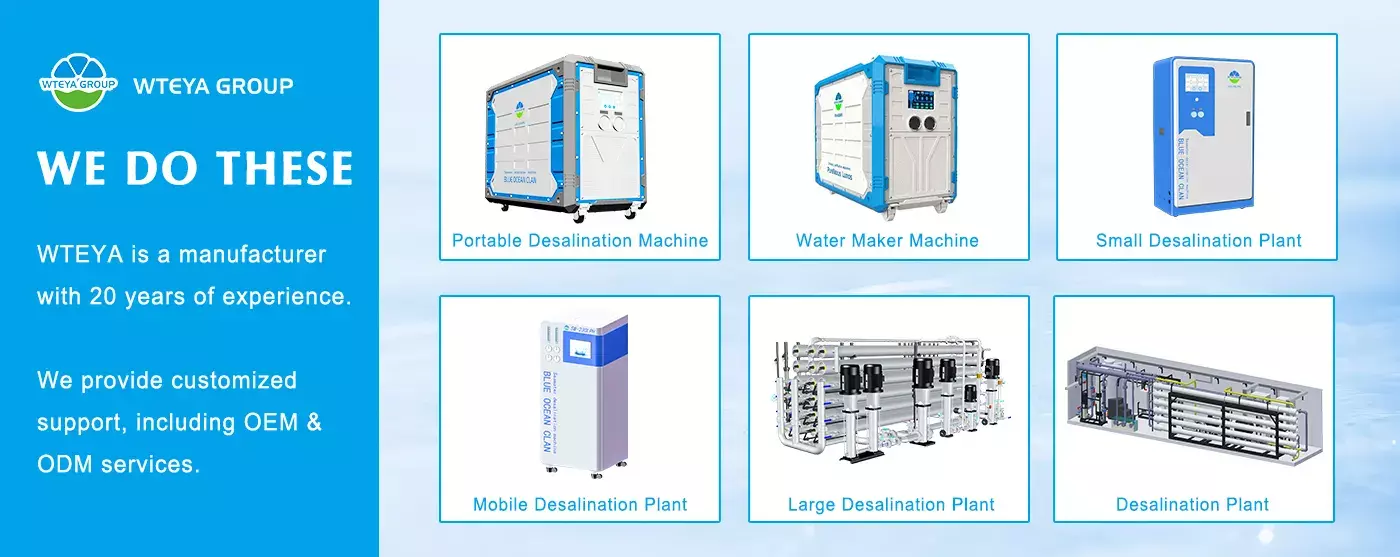
As a professional RO system provider, WTEYA offers one-stop services from standard equipment to customized OEM/ODM solutions. Core advantages include:
-
High Efficiency and Energy Saving: Optimized RO membranes and high-pressure pumps deliver low energy consumption with high water output.
-
Intelligent Control: Real-time monitoring of water quality, pressure, and membrane status reduces manual intervention and increases reliability.
-
Customized Design: Tailored solutions for pharmaceuticals, food, electronics, and chemical industries.
-
Global Partnerships: Seeking international agents and partners to expand global reach.
-
Full-Service Process: Design, production, installation, commissioning, and maintenance coverage to ensure worry-free operation.
In 2026 and beyond, intelligent control, modularity, wastewater recovery, and membrane technology upgrades will dominate RO system development. Choosing experienced suppliers like WTEYA ensures efficient, stable water treatment, custom solutions, and global partnership opportunities, providing long-term competitive advantages in energy savings, resource utilization, and environmental compliance.
Why Partner with WTEYA?
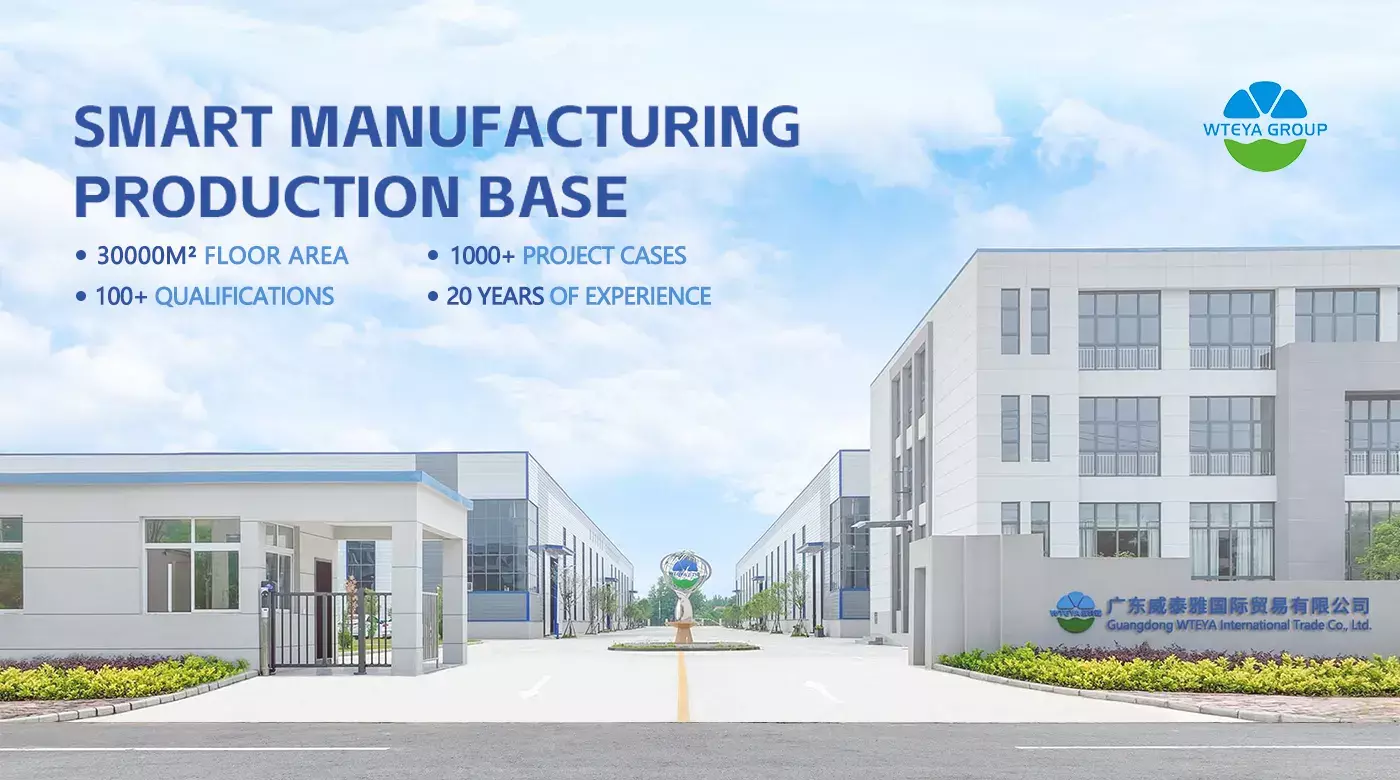
• Nearly 20 years of industry experience
• Trusted by global leaders including Foxconn, Huawei, Ganfeng Lithium, Ronbay Technology
• 100+ success cases worldwide
• OEM & ODM customization available
WTEYA — Driving Innovation Toward a Greener Industrial Future
Become a WTEYA Distributor!
We are expanding global partnerships:
• Preferential policies
• Professional training
• Full technical support
📲 WhatsApp: +86-1800 2840 855
📧 Email: info@wteya.com
🌐 Website: www.wteya.com
Let us help you achieve exceptional water quality and operational sustainability!