







Multi-Effect Evaporator vs. Single-Effect Evaporator: Which System Is Better for Your Factory?
In industrial production, solution concentration and wastewater treatment are essential processes in the chemical, food, and environmental industries. Selecting the right evaporator system not only affects energy consumption but also impacts production efficiency and overall operating costs. Currently, the two main options on the market are single-effect evaporators and multi-effect evaporators. Understanding their differences, advantages, and ideal application scenarios is crucial for factory managers aiming to optimize operations.
Understanding Single-Effect Evaporators
A single-effect evaporator is a simple system that uses one heat source to evaporate the solvent in a solution, thereby concentrating the solution or crystallizing the solute. Typically, this type of system includes a heating chamber, a vapor separation unit, and a condensation-collection system.
Advantages of Single-Effect Evaporators
• Simple structure and easy operation
• Low initial investment cost
• Suitable for small-scale production or pilot plants
Limitations
• High energy consumption due to reliance on a single heating stage
• Limited efficiency for large-scale industrial production
• Insufficient performance in high-volume wastewater treatment
Although single-effect evaporators meet basic concentration needs, their low energy efficiency has become increasingly evident—especially in modern chemical and food processing plants.
Introduction to Multi-Effect Evaporators
Multi-effect evaporators, also known as multi-stage evaporation systems, represent an advanced and energy-efficient solution. Brands such as The multi-effect concentration evaporator offer systems composed of multiple interconnected concentration units that utilize heat energy step by step to increase solution concentration.
Core Components
• Multi-stage concentrators: Perform stepwise evaporation for maximum heat utilization
• Heat exchangers: Recover heat from previous stages, significantly reducing energy consumption
• Vacuum system: Lowers boiling point, increases evaporation efficiency, and protects heat-sensitive materials
Advantages of Multi-Effect Evaporators
• Significantly more energy-efficient compared to single-effect systems
• Ideal for large-scale industrial applications
• Reduced environmental emissions and lower fuel usage
• Widely used in chemical, food processing, and wastewater treatment industries
Typical Applications in the Chemical Industry
• Concentration of chemical solutions for quality control
• Treatment of high-salt or large-volume wastewater
• Food and beverage concentration, such as juice, dairy, and syrup processing
• Environmental applications to reduce wastewater discharge and enable resource recovery
Thanks to multi-stage heat reuse, multi-effect evaporator systems can save 50–70% more energy than single-effect evaporators, making them highly suitable for large-scale industrial production.
Comparison: Single-Effect vs. Multi-Effect Evaporators
| Feature | Single-Effect Evaporator | Multi-Effect Evaporator |
|---|---|---|
| Energy Efficiency | Low; high steam consumption | High; reuses heat across multiple stages |
| Investment Cost | Low initial cost | Higher initial cost; long-term savings |
| Processing Capacity | Small to medium | Medium to large industrial-scale |
| Maintenance | Simple; fewer parts | More complex; requires skilled personnel |
| Environmental Impact | Higher energy consumption | Lower energy use and emissions |
| Ideal Applications | Small factories, pilot production | Chemical, food, wastewater—large-scale production |
How to Choose the Right System
When deciding between a single-effect evaporator and a multi-effect evaporation system, factory operators should consider the following:
• Production Scale: Large-scale continuous plants benefit greatly from the energy savings of multi-effect systems.
• Energy Cost: In facilities where steam or fuel costs are high, multi-effect evaporators offer rapid return on investment.
• Solution Characteristics: Heat-sensitive or high-viscosity materials are better suited for multi-effect systems operating under low-temperature vacuum conditions.
• Environmental Requirements: Factories aiming to reduce energy use and emissions should prioritize multi-effect technology.
• Maintenance Capability: Single-effect evaporators are easier to maintain, but multi-effect systems provide far greater long-term value when operated by trained personnel.
For chemical industry applications, The multi-effect concentration evaporator offers customized solutions to achieve efficient, stable, and environmentally friendly concentration processes that meet strict production standards.
Conclusion:
While single-effect evaporators are suitable for small-scale or low-volume production, multi-effect evaporators offer significant advantages in energy efficiency, processing capacity, and environmental performance. In modern industrial operations—especially chemical manufacturing, food processing, and wastewater management—multi-effect evaporation systems are often the optimal choice. With features such as multi-stage concentrators, heat exchangers, and vacuum systems, The multi-effect concentration evaporator brand provides factories with efficient, reliable, and eco-friendly concentration technologies. Investing in a multi-effect evaporator not only reduces operational costs but also supports sustainable development goals and greener production strategies.
Why Partner with WTEYA?
-
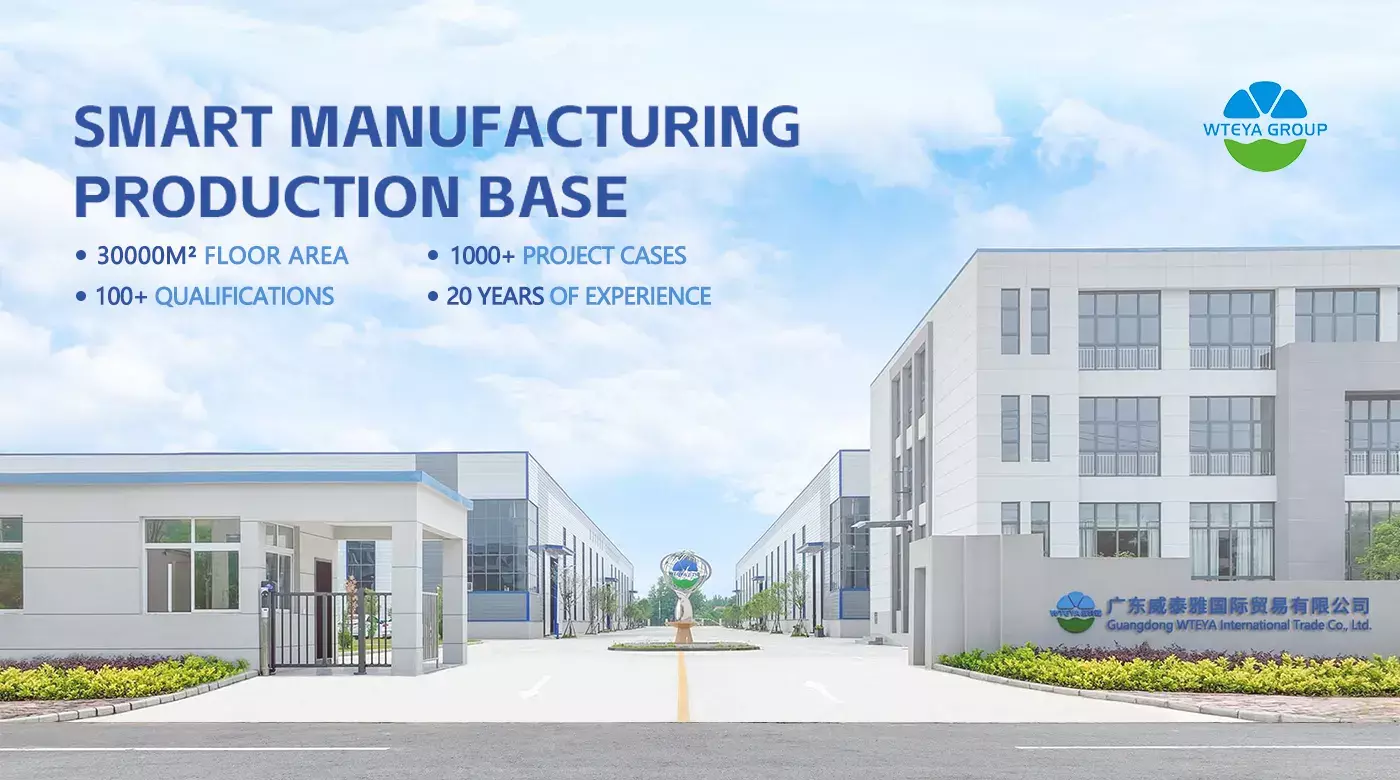
Nearly 20 years of industry experience
-
Trusted by global leaders including Foxconn, Huawei, Ganfeng Lithium, Ronbay Technology
-
100+ success cases worldwide
-
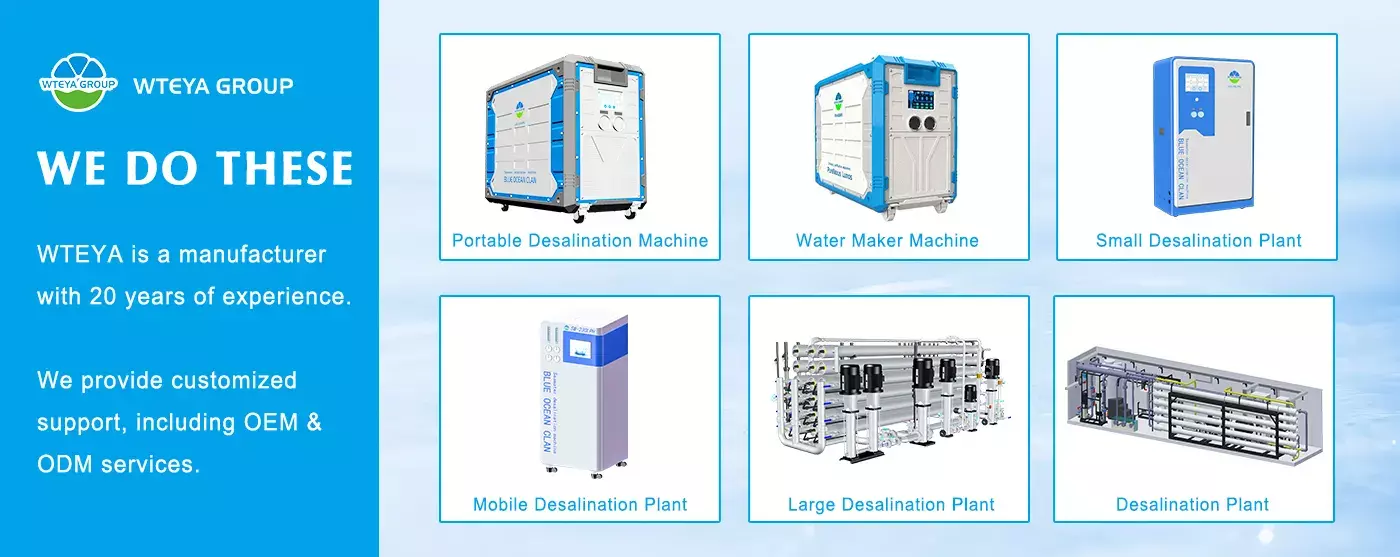
OEM & ODM customization available
WTEYA — Driving Innovation Toward a Greener Industrial Future
Become a WTEYA Distributor!
We are expanding global partnerships:
-
Preferential policies
-
Professional training
-
Full technical support
📲 WhatsApp: +86-1800 2840 855
📧 Email: info@wteya.com
🌐 Website: www.wteya.com
Let us help you achieve exceptional water quality and operational sustainability!