






How Solar Water Treatment Plants Are Reshaping Industrial and Municipal Water Management?
With the global transition toward cleaner energy structures and sustainable development strategies, industrial and municipal water management is facing unprecedented challenges. Traditional water treatment plants rely heavily on grid-powered pumping systems, aeration equipment, and large volumes of chemical reagents. These systems are not only energy-intensive and costly to operate, but also highly sensitive to fluctuations in influent water quality.
At the same time, increasingly stringent environmental regulations are placing higher demands on effluent quality and resource efficiency. Against this backdrop, solar water treatment plants have emerged as an innovative solution, combining renewable energy, intelligent automation, and integrated functionality to redefine modern water management.
WTEYA’s intelligent distributed solar water treatment and purification systems integrate photovoltaic power generation with advanced drinking water and domestic wastewater treatment processes. This approach enables energy self-sufficiency, low-carbon operation, and consistently high-quality water output, making it ideal for industrial parks, urban communities, and remote or off-grid regions.
I. Core Technology Principles
The technological foundation of WTEYA solar water treatment plants consists of three key modules: photovoltaic power generation, intelligent control systems, and high-efficiency water treatment processes.
1. Photovoltaic Power Generation and Energy Independence
High-efficiency solar photovoltaic panels convert solar radiation into electrical energy, supplying continuous power to pumps, aeration systems, membrane separation units, and disinfection equipment. Integrated energy storage systems ensure stable operation during cloudy conditions or at night, enabling 24/7 continuous water treatment.
Compared with conventional grid-dependent systems, photovoltaic-powered water treatment significantly reduces energy consumption and carbon emissions, aligning with global green development goals.
2. Intelligent Automation and Control
The system is equipped with PLC-based intelligent control modules that continuously monitor water quality parameters, flow rates, and equipment status in real time. Based on variations in influent water quality, the system automatically adjusts filtration rates, aeration intensity, and UV disinfection strength to ensure stable and compliant effluent quality.
Remote monitoring and centralized management capabilities reduce manual intervention, lower maintenance costs, and enhance operational reliability across multiple sites.
3. High-Efficiency Water Treatment Processes
The treatment process integrates pretreatment, membrane separation, biological treatment, and ultraviolet disinfection, forming a complete and efficient purification chain.
-
Pretreatment: Removes suspended solids, debris, and macromolecular pollutants to protect downstream membrane components and extend equipment lifespan.
-
Membrane Separation: Ultrafiltration or reverse osmosis membranes effectively remove microorganisms, heavy metal ions, and refractory organic compounds, achieving high purification standards.
-
Biological Treatment: Microorganisms degrade organic pollutants in domestic wastewater into harmless substances, significantly reducing BOD and COD levels.
-
Ultraviolet Disinfection: Completely inactivates bacteria, viruses, and pathogenic microorganisms to ensure water safety.
By combining photovoltaic power with intelligent regulation, the system outperforms traditional water treatment plants in terms of energy efficiency, effluent quality, and automation.
II. Industrial and Municipal Application Scenarios
1. Industrial Parks
Industrial parks typically discharge a mix of production wastewater and domestic sewage, resulting in complex water quality and fluctuating flow rates. WTEYA solar water treatment plants offer customized modular configurations capable of treating organic pollutants, suspended solids, and certain heavy metals. At the same time, they can supply reclaimed water for office buildings and recreational areas, enabling integrated water resource utilization.
Key advantages: reduced electricity consumption, lower chemical usage, stable effluent quality, and support for wastewater reuse and recycling.
2. Urban Communities
Urban residential areas generate large volumes of domestic wastewater, while centralized treatment systems require extensive pipeline investments. WTEYA’s distributed solar water treatment plants can be deployed locally to treat domestic sewage on-site, while also providing drinking water purification and public facility water supply—achieving energy savings, emission reductions, and functional integration.
3. Schools and Hospitals
Educational and medical facilities demand especially high water quality standards. By combining membrane separation and UV disinfection technologies, solar water treatment plants deliver consistently high-quality water, ensuring the safety of students, staff, and patients.
4. Remote Agricultural and Emergency Scenarios
In remote regions or emergency response situations, the system can operate independently using solar power and be rapidly deployed to provide both drinking water purification and domestic wastewater treatment. Modular design supports flexible transportation, quick installation, and scalable capacity expansion, effectively addressing water scarcity challenges.
III. Comparison with Traditional Water Treatment Systems
| Dimension | Traditional Water Treatment Plants | WTEYA Solar Water Treatment Plants | Advantages |
|---|---|---|---|
| Energy Dependency | Highly dependent on grid power | Solar power + energy storage | Energy-saving, low-carbon |
| Effluent Quality | Influenced by manual adjustment | Intelligent control, stable compliance | High reliability |
| Land Requirement | Large centralized facilities | Modular, distributed systems | Flexible deployment |
| Maintenance Cost | Frequent manual inspections | Automated monitoring, remote management | Lower O&M costs |
| Functional Integration | Single-function water treatment | Water treatment + office + leisure + bathing | Higher overall value |
This comparison highlights that solar water treatment plants not only improve energy efficiency but also enhance system stability and multifunctional integration—advantages traditional systems cannot easily achieve.
IV. Trends and Future Development
-
Intelligence and IoT Integration: Real-time data collection and analytics enable predictive maintenance, process optimization, and further energy savings.
-
Hybrid Treatment Processes: Integration with MBR, advanced oxidation, and advanced membrane technologies to address complex and high-strength pollutants.
-
Modular and Mobile Design: Supports rapid deployment, temporary projects, and flexible capacity expansion.
-
Energy Optimization: Integration of advanced energy storage and energy recovery technologies to ensure efficient, round-the-clock operation.
In the future, solar water treatment plants will evolve beyond standalone treatment equipment to become strategic infrastructure for low-carbon, intelligent, and sustainable water management.
V. WTEYA Brand Advantages
-
Intelligent Distributed Systems: Integration of photovoltaic power, automated control, and modular design.
-
High-Efficiency Water Treatment: Dual capability for drinking water purification and domestic wastewater treatment with stable effluent quality.
-
Low Operating and Maintenance Costs: Intelligent monitoring minimizes manual intervention.
-
Multifunctional Integration: Combined designs for office, leisure, and bathing facilities enhance overall project value.
-
Global Service and Customization: Standard products, OEM/ODM solutions, and international partnership support.
With strong technological innovation and extensive engineering experience, WTEYA delivers efficient, sustainable, and intelligent water treatment solutions for industrial and municipal water management worldwide.
Conclusion:
Solar water treatment plants are fundamentally transforming industrial and municipal water management. Through photovoltaic power supply, advanced treatment processes, intelligent control, and functional integration, WTEYA systems achieve low energy consumption, high-quality effluent, and broad application adaptability. Whether for industrial parks, urban communities, schools and hospitals, or remote agricultural regions, solar water treatment plants provide sustainable, reliable, and high-performance solutions. As the global shift toward low-carbon development accelerates, solar water treatment plants are becoming not just treatment equipment, but core assets in long-term water management strategies and value creation.
Why Partner with WTEYA?
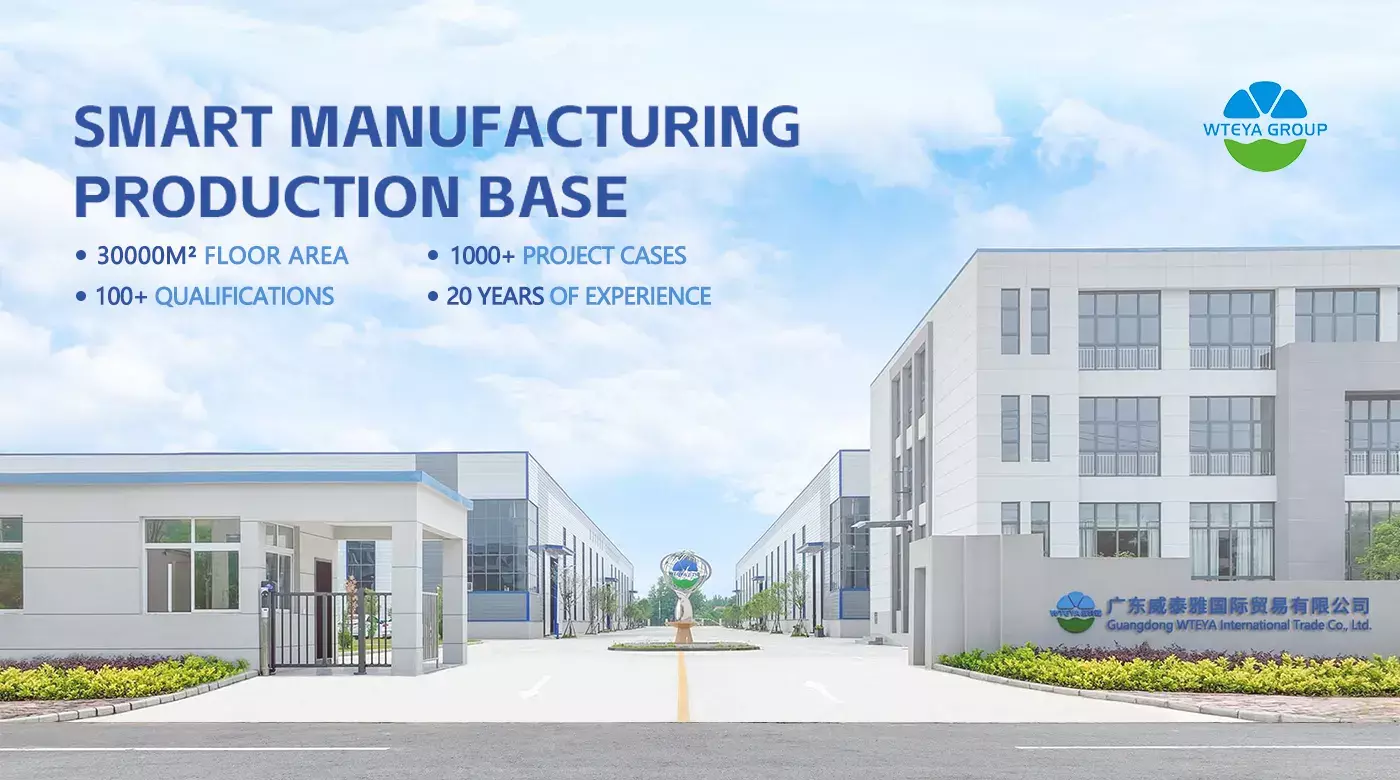
• Nearly 20 years of industry experience
• Trusted by global leaders including Foxconn, Huawei, Ganfeng Lithium, Ronbay Technology
• 100+ success cases worldwide
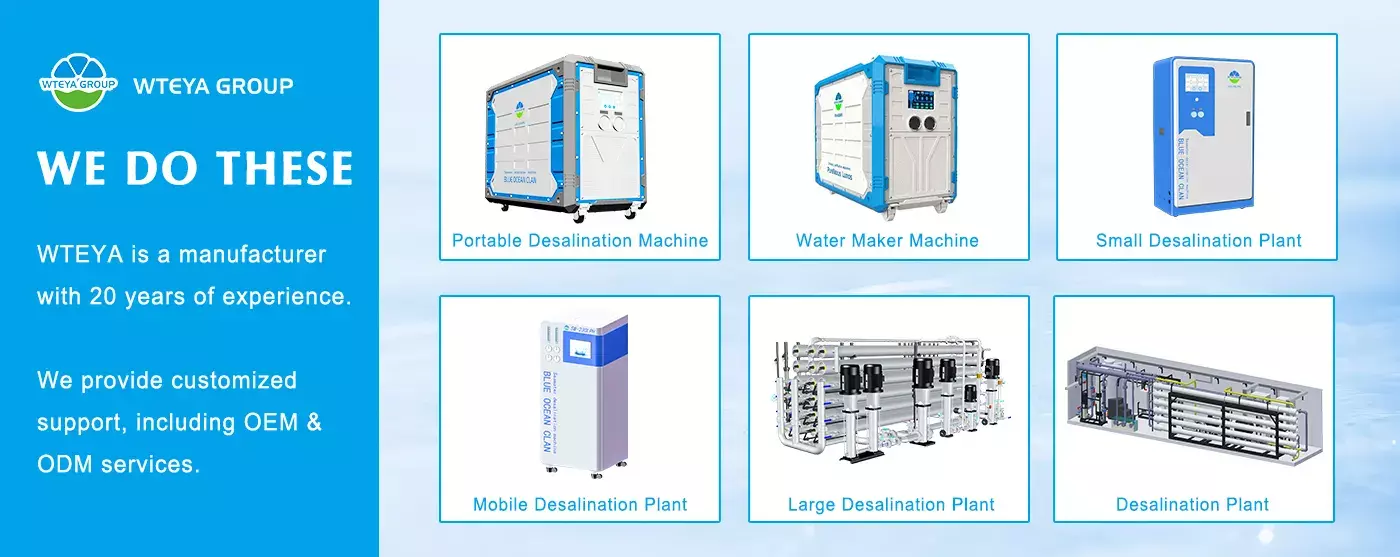
• OEM & ODM customization available
Become a WTEYA Distributor!
We are expanding global partnerships:
• Preferential policies
• Professional training
• Full technical support
Let us help you achieve exceptional water quality and operational sustainability!
📲 WhatsApp: +86-1800 2840 855
📧 Email: info@wteya.com
🌐 Website: www.wteya.com