







Can We Drink Water From a Wastewater Treatment Plant?
As global water resources become increasingly strained, developing sustainable and innovative water supply solutions has shifted from being optional to mission-critical for governments and enterprises. Wastewater treatment now plays a central role in both municipal infrastructure and industrial water strategy. But the core question remains: Is water discharged from a wastewater treatment plant truly safe for direct drinking? This article provides a clear, structured analysis of wastewater treatment plant equipment and wastewater treatment systems, evaluating their potable viability and commercial value.
Understanding Wastewater Treatment Plant Equipment
A wastewater treatment facility relies on an integrated multi-stage purification architecture to process municipal sewage and industrial wastewater. The key modules include:
Primary Treatment Units
• sedimentation tanks: remove large suspended solids and impurities
• screening systems: filter plastics, fabric debris, sand, and gravel
Secondary Treatment Units
• biological reactors and activated sludge systems to break down organic contaminants
• aeration basins enabling microbial degradation of pollutants
Advanced Treatment Units
• filtration, reverse osmosis, and ultraviolet (UV) disinfection
• nutrient removal modules targeting nitrogen and phosphorus
These units are typically consolidated into a unified wastewater treatment system, delivering high efficiency, low maintenance, and adaptive capacity to manage fluctuating water volumes.
The Treatment Journey: From Sewage to Potable-Grade Water
Treated water reaches drinking standards only after multiple purification barriers:
1. Removal of Solids and Suspended Particles
Primary treatment reduces turbidity, laying the groundwork for deeper purification through sedimentation and precision filtration.
2. Biological Treatment
Secondary processing uses microbial metabolism to convert harmful organic compounds into CO₂, water, and biomass—especially critical for industrial wastewater, which often contains higher organic loads.
3. Potable-Level Purification
Drinking safety requires advanced treatment such as reverse osmosis, oxidation, and UV sterilization to eliminate pathogens, heavy metals, and dissolved solids, ensuring regulatory compliance.
4. Resource Recovery
Modern wastewater treatment plants frequently reclaim nitrogen and phosphorus for fertilizer production and convert sludge into biogas for energy generation, advancing circular economy objectives.
Is Treated Wastewater Safe for Direct Drinking?
The answer depends on the processing standard:
• Non-Potable Reclaimed Water: Usually secondary treated and used for irrigation, industrial processes, and cleaning applications.
• Potable Water Reuse (Direct or Indirect): Requires advanced technologies like reverse osmosis and oxidation. Countries including Singapore, the United States, and Australia have operationalized safe drinking reuse systems.
With multi-barrier safeguards, rigorous monitoring, and intelligent water governance, drinking reclaimed water is no longer theoretical—it is commercially and technically feasible.
Strategic Advantages of Potable Water Reuse
• Sustainable Water Strategy
Reduces reliance on freshwater, a decisive advantage for drought-impacted regions and resource-scarce industrial zones.
• Environmental Protection
Minimizes pollutant discharge into rivers and oceans, safeguarding ecosystems and meeting ESG commitments.
• Resilient Water Supply
Ensures stable water access even during droughts or emergency scenarios through engineered reuse systems.
• Economic Value
Cuts water extraction, distribution, and treatment costs. Industrial water recycling also lowers operational expenditure (OPEX) and improves production sustainability.
Key Innovations Driving Modern Wastewater Treatment
• Smart Monitoring
IoT sensors and remote dashboards enable real-time tracking of water quality, flow rates, and system status.
• Energy Optimization
Energy recovery, solar-assisted aeration, and optimized pump networks reduce power usage without compromising efficiency.
• Modular and Scalable Design
Compact wastewater treatment plant equipment supports rapid deployment and flexible capacity expansion, ideal for emergency infrastructure or industrial growth cycles.
• Circular Economy Enablement
Wastewater nutrients are repurposed into fertilizers, and sludge-generated biogas supports power generation.
Real-World Application Scenarios
• Municipal Infrastructure: Potable supplementation in water-scarce cities.
• Industrial Facilities: Closed-loop water reuse to reduce environmental impact.
• Remote Regions: Modular systems secure safe drinking water for islands, rural communities, and disaster-affected areas.
Conclusion:
With advanced treatment technologies, water discharged from a wastewater treatment plant can be purified to potable standards, offering environmental, economic, and strategic value. For enterprises and communities facing water scarcity, investing in engineered wastewater treatment systems has become a necessary long-term growth strategy.
Why Partner with WTEYA?
-
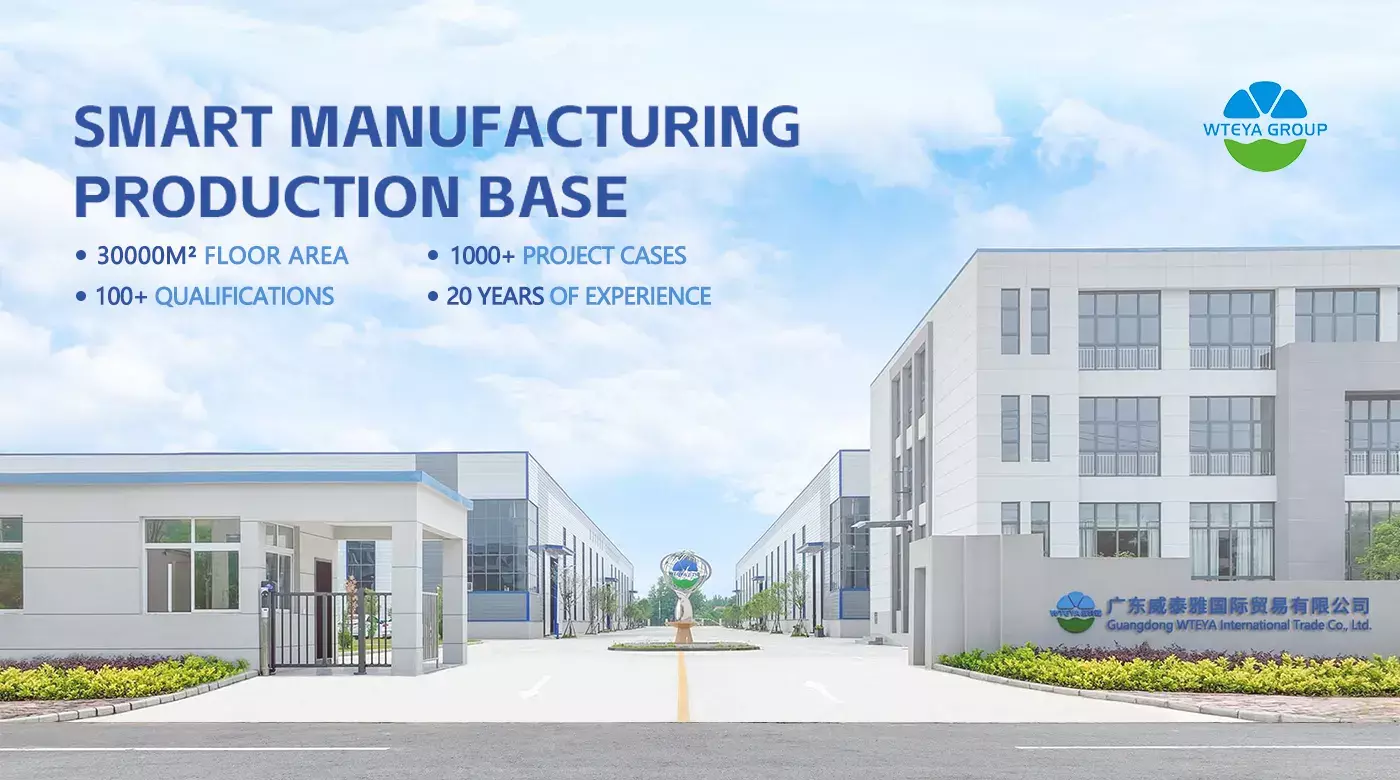
Nearly 20 years of industry experience
-
Trusted by global leaders including Foxconn, Huawei, Ganfeng Lithium, Ronbay Technology
-
100+ success cases worldwide
-
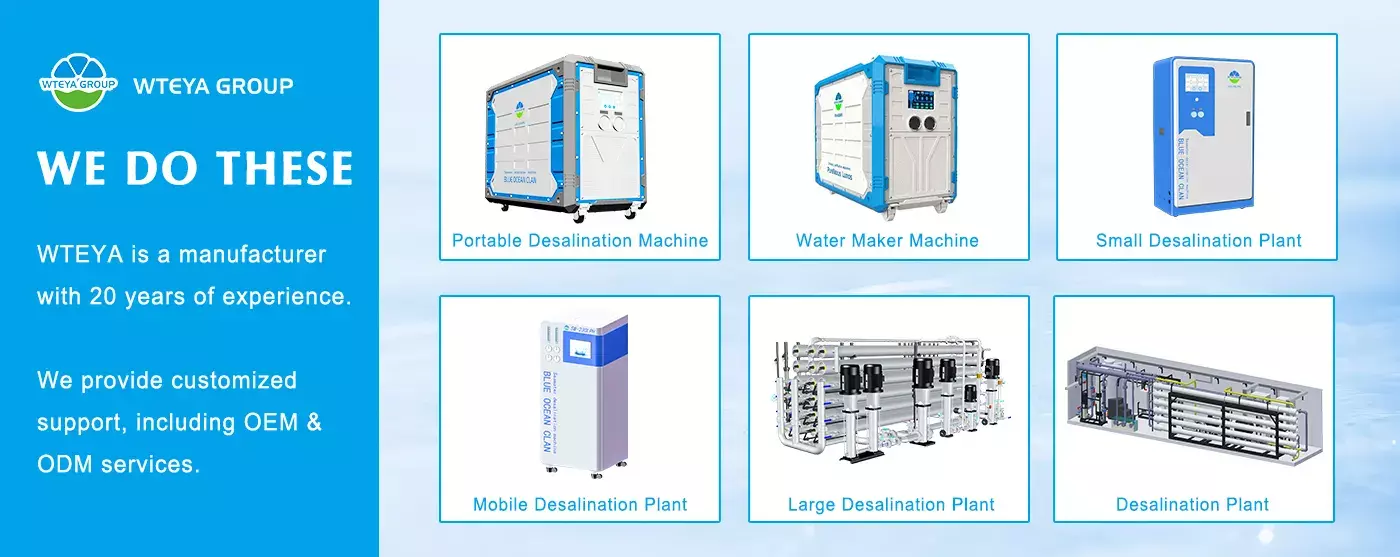
OEM & ODM customization available
WTEYA — Driving Innovation Toward a Greener Industrial Future
Become a WTEYA Distributor!
We are expanding global partnerships:
-
Preferential policies
-
Professional training
-
Full technical support
📲 WhatsApp: +86-1800 2840 855
📧 Email: info@wteya.com
🌐 Website: www.wteya.com
Let us help you achieve exceptional water quality and operational sustainability!